From One Product Photo to a Complete Campaign: How Image to Image AI Helps Small Retailers Achieve More
The Product Photo Challenge
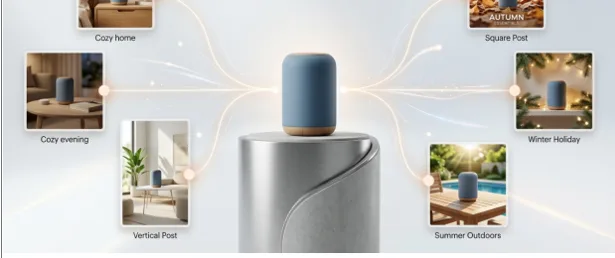
Talk to any small shop owner about what slows their marketing down, and photos tend to come up first. A single hero image is useful, yet a genuine campaign calls for that product across many scenes, moods, and sizes for different platforms. Hiring a photographer for each version is unrealistic on a tight budget, and generic stock images seldom fit a particular product convincingly. Image to image AI provides a workaround: one photo turns into the foundation for a whole campaign instead of a single standalone asset.
What Image to Image AI Really Does
It starts from a real photo
Text-to-image tools produce a picture purely from a written description. Image to image tools take a photo you already own and modify it while preserving the subject, composition, and structure. For a retailer, that is the key advantage. You aren’t after a generic AI-made product, you want your real product placed in fresh settings, styles, and moods without booking another shoot.
The most popular uses
Retailers usually lean on a handful of techniques:
- Swapping a plain studio background for a lifestyle setting
- Adjusting the mood or color grading to match a seasonal campaign
- Restyling an image to fit a specific platform
- Polishing and improving photos that weren’t taken professionally
None of this demands design skills. Most tools accept a brief text prompt describing the change you’re after.
Creating a Campaign Step by Step
1. Pick your strongest photo
Everything after this relies on the source image. A clear subject, good lighting, and solid resolution give the AI much more to work with than a fuzzy or poorly cropped picture. This is the one stage worth taking your time on.
2. Create contextual variations
Describe the scene or mood you want, and a single photo becomes many. A mug shot once in a studio can show up in a warm morning setting for Instagram and on a simple, clean background for a product page, with no extra shoot.
3. Adapt each version to its destination
Platforms prefer different formats: square for feed posts, vertical for stories, wide for banner ads. Because most image to image tools allow an aspect ratio alongside your prompt, one base photo can serve every format.
4. Make the set feel cohesive
A campaign looks unified when its images share color tones, framing choices, and mood. Applying the same style or prompt structure to every variation helps the finished set read as one campaign rather than a jumble of unrelated images.
Why It Matters on a Small Budget
One shoot stretches much further
A single session can provide a whole season of content, which may separate posting occasionally from maintaining a steady, varied calendar.
You can experiment before committing
Variations take seconds instead of days, so you can explore several visual directions and see which connects, rather than gambling on a hunch.
Consistency costs little
Images made from the same base photo using similar prompts naturally resemble each other, which helps without needing a dedicated designer.
Things to Watch For
Source quality still matters most
AI can’t save a dark or low-resolution original. Even a phone photo shot in good light will pass its quality into every variation.
Not every result is ready to publish
Watch for the occasional strange shadow, warped edge, or texture that doesn’t match the real material. Check each image before posting.
Show the product honestly
Limit changes to setting and mood, not details such as color, size, or texture that could mislead shoppers.
Free tiers come with limits
Resolution caps, watermarks, and daily generation limits are common. That works for occasional use, but bigger campaigns may call for a paid plan.
The Bigger Shift
The real change isn’t merely that these tools exist, it’s the economics. A product photo used to be a single asset. Now it’s a seed that can grow into dozens of images fitted to different platforms, seasons, and themes, without a matching jump in cost or time. For small retailers who have always wanted more content than their resources could produce, that’s a significant change.
More Campaign, Less Overhead
Image to image AI doesn’t replace strong photography or solid brand direction. It builds on them. A well-shot photo, run through a few thoughtful transformations, can supply the visual variety that once required several shoots and a design budget most small retailers don’t have. Used with attention to quality and honesty, it acts less like a shortcut and more like a multiplier on the work retailers already do.