The Future of Home Heating: How Alderminster Group Is Supporting Britain’s Shift Towards Renewable Energy
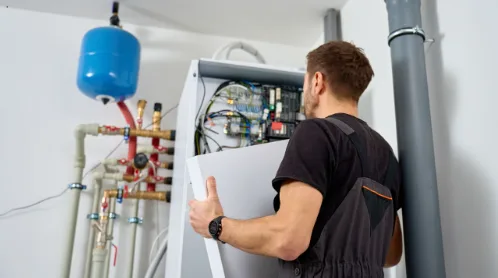
The UK’s approach to domestic heating is changing as homeowners look for more efficient, environmentally responsible ways to keep their properties warm. With energy costs remaining an important consideration for households and the government encouraging the adoption of low-carbon technologies, traditional heating systems are facing increasing scrutiny.
For many years, gas and oil boilers have provided the foundation of domestic heating across Britain. However, advances in renewable technology are creating opportunities for homeowners to explore alternatives that could reduce their dependence on fossil fuels.
Among the businesses helping property owners understand these changes is Alderminster Group, a UK heating specialist providing renewable heating solutions designed around the requirements of individual homes.
As the transition towards cleaner energy gathers pace, the company represents a growing emphasis within the heating industry on combining technical expertise with practical property assessments.
Understanding Britain’s Transition Towards Renewable Heating
Heating buildings represents an important part of the UK’s wider effort to reduce greenhouse gas emissions. Traditional boilers generate heat through fuel combustion, whereas modern heat pump systems transfer naturally occurring thermal energy from the surrounding environment into a property.
This difference has significant implications for energy efficiency.
Heat pumps can provide multiple units of thermal energy for every unit of electricity consumed, although their actual performance depends on installation quality, outside temperatures and the heating requirements of the building.
The technology has consequently become a prominent feature of discussions surrounding sustainable housing, energy security and long-term residential improvements.
However, changing an established heating system involves more than purchasing new equipment.
Alderminster Group recognises that successful renewable heating installations require an understanding of the relationship between the property, its existing heating infrastructure and the technology being introduced.
This practical approach is particularly relevant in Britain, where housing styles, construction methods and levels of insulation can vary considerably between neighbouring properties.
How Alderminster Group Is Helping Homeowners Explore New Heating Technologies
One of the challenges facing households considering renewable heating is understanding which system will work effectively in their particular property.
An installation suitable for a modern, well-insulated house may require substantial adjustments before it can deliver comparable performance in an older building.
Heating specialists therefore need to consider several factors, including the property’s heat loss, radiator capacity, existing pipework and domestic hot-water requirements.
Through its work with homeowners, Alderminster Group provides specialist guidance on air source heat pumps, helping property owners understand the practical considerations involved in moving away from conventional heating systems.
These systems extract heat from the outside air and transfer it into a property’s heating infrastructure. They can operate even during cold weather, although efficiency and available heating output change as outdoor temperatures fall.
Their effectiveness depends heavily on appropriate system sizing, careful installation and suitable heating controls.
Rather than treating renewable heating as a universal replacement for every existing boiler, a considered installation process establishes whether the proposed technology can meet the demands of the property.
Why Long-Term Energy Efficiency Matters
The financial implications of changing a heating system remain an important consideration for British households.
Although renewable heating equipment can involve higher initial expenditure than a conventional boiler replacement, long-term energy consumption must also be taken into account.
Heat pumps typically operate at lower water temperatures than traditional boiler systems. When appropriately designed, this allows them to transfer heat efficiently while maintaining comfortable indoor temperatures.
However, lower energy consumption does not necessarily translate into lower bills in every household.
Electricity prices, previous fuel costs, insulation standards and individual heating habits all influence the financial outcome.
For this reason, Alderminster Group places emphasis on assessing each property’s requirements rather than relying solely on generalised savings estimates.
Homeowners considering an installation benefit from understanding both the upfront investment and the factors affecting future operating costs.
A heating system that performs efficiently over many years may provide greater long-term value than one selected entirely on its initial purchase price.
Government Incentives Are Encouraging Greater Interest
Government financial support has become another factor influencing decisions about renewable heating.
In England and Wales, the Boiler Upgrade Scheme offers grants towards eligible low-carbon heating installations, reducing the upfront cost for qualifying property owners.
Under the scheme’s current arrangements, eligible air-to-water heat pump installations can receive support of £7,500. Additional support may also be available for certain qualifying off-gas-grid properties replacing oil or LPG heating.
Eligibility depends on the property, the technology and compliance with relevant installation requirements.
These incentives are intended to help make low-carbon heating more accessible, although homeowners should understand that financial assistance does not automatically make every property suitable for a particular system.
Alderminster Group identifies its MCS certification as part of its approach to eligible installations, helping customers navigate the technical requirements associated with renewable heating and available support schemes.
Government funding can make the transition more financially achievable, but the quality of the initial assessment remains essential to achieving a successful result.
Meeting the Challenges of Britain’s Diverse Housing Stock
Britain’s residential properties present a wide range of heating requirements.
Victorian terraces, rural cottages, modern detached houses and converted agricultural buildings often differ substantially in their construction, insulation and available installation space.
Some properties may already have heating systems capable of operating effectively at lower flow temperatures. Others may require changes to radiators, pipework or insulation before renewable technology can perform efficiently.
Older properties can present additional complexities, particularly where original architectural features, solid walls or planning restrictions limit the scope of improvements.
Nevertheless, these challenges do not necessarily prevent the installation of modern renewable heating systems.
Alderminster Group works with varied property types, where careful planning is needed to balance practical installation requirements with the characteristics of the building.
This highlights an important development within the heating industry. Renewable technology is increasingly being considered alongside wider improvements in how homes retain and distribute warmth.
By evaluating the property as a complete system, installers can identify opportunities to improve heating performance without recommending unnecessary alterations.
Professional Installation Remains Essential
The growing availability of renewable heating technology has made professional expertise increasingly important.
Correctly selecting and positioning equipment is only one part of an effective installation. Engineers must also consider water temperatures, system controls, heating distribution and the building’s overall thermal performance.
Incorrect sizing can affect comfort and efficiency, while unsuitable installation arrangements may increase operating costs or create avoidable maintenance issues.
Commissioning is another important stage.
A properly commissioned system should be configured to meet the heating requirements of the property, with clear guidance provided on its operation and ongoing care.
For homeowners researching air source heat pumps, Alderminster Group illustrates the value of specialist involvement throughout the process, from assessing property suitability to installation planning and longer-term servicing considerations.
This wider perspective is particularly important because heat pump systems often operate differently from the boilers they replace.
Understanding these differences can help households manage their heating effectively and maintain consistent comfort throughout the year.
The Growing Importance of Sustainable Property Improvements
Renewable heating is becoming part of a wider discussion about the future of British housing.
Alongside heat pumps, homeowners are increasingly considering improvements such as better insulation, upgraded glazing, smart heating controls and renewable electricity generation.
Although these technologies serve different purposes, they can complement one another when introduced through a coordinated approach.
A well-insulated building requires less energy to maintain a comfortable temperature. Similarly, an appropriately designed heating system can distribute warmth more effectively throughout the property.
These considerations are increasingly relevant as households weigh the environmental and financial implications of property improvements.
The approach taken by specialists such as Alderminster Group reflects a broader movement towards heating solutions tailored to the needs of individual buildings rather than relying on standardised installations.
It also reinforces the importance of realistic expectations. Technology alone cannot eliminate a property’s heating requirements, but careful design can help meet those requirements more efficiently.
Looking Ahead: A New Direction for Domestic Heating
The transition towards renewable heating will continue to evolve as technology develops, government policy changes and homeowners gain greater familiarity with low-carbon alternatives.
Conventional heating systems remain widespread, and replacing them will involve financial, technical and practical challenges.
Nevertheless, the growing availability of renewable heating solutions is expanding the options available to British households.
For Alderminster Group, the changing market provides an opportunity to support homeowners who want to understand these options and make informed decisions about their properties.
The broader lesson for the heating industry is that successful energy improvements depend on more than adopting new technology. They require careful assessment, appropriate system design and professional installation.
As Britain moves towards a lower-carbon future, renewable heating is likely to play an increasingly important role in how homes are heated.
Businesses capable of combining technical knowledge with practical guidance will remain valuable contributors to that transition, helping property owners balance comfort, energy efficiency and long-term performance.