Top 3 Deck Maintenance Tips for Autumn
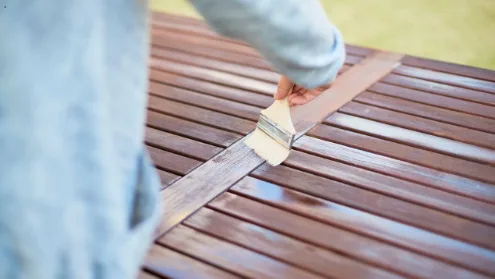
As the intense summer heat transitions into cooler autumn days across Central Texas, homeowners must prepare their outdoor spaces for seasonal weather changes. Fall introduces increased moisture, falling leaves, and shifting temperatures that put significant stress on natural wood and composite outdoor structures. Consulting experienced Austin deck builders reveals that proactive autumn care prevents structural decay, protects surface finishes, and extends the lifespan of your deck. Following targeted seasonal maintenance procedures keeps your outdoor living space safe, attractive, and functional all year round.
1. Deep Clean the Deck Surface and Remove Organic Debris
Falling leaves, pine needles, and airborne dust accumulate rapidly on deck surfaces during autumn. Allowing organic matter to linger creates trapped moisture pockets that promote mold growth, fungal decay, and permanent wood discoloration.
Clearing Leaves and Structural Gaps
Leaves trapped between deck boards prevent proper water drainage. When moisture accumulates in these narrow gaps, wood fibers absorb water, leading to cupping and rot.
- Sweep Frequently: Use a stiff-bristle broom to remove dry leaves and twigs at least once a week during peak leaf drop.
- Clear Board Joints: Remove trapped debris from board crevices using a putty knife or specialized deck gap cleaner to restore natural airflow.
- Rinse Overhead Structures: Clear fallen debris from nearby pergolas, patio covers, and railings so leaves do not wash down onto the main deck boards.
Deep Washing and Stain Removal
A thorough cleaning removes embedded dirt and mildew spores before cold, wet weather sets in.
- Apply Deck Cleaner: Use a specialized, eco-friendly oxygenated bleach deck cleaner to lift ground-in dirt without damaging surrounding landscaping.
- Scrub Gently: Work the cleaning solution into the grain using a synthetic scrub brush to break down sap, mold, and tannin stains.
- Rinse Thoroughly: Power wash on a low pressure setting or use a standard garden hose nozzle to wash away cleaning residues completely.
2. Inspect Structural Elements and Perform Timely Repairs
Autumn offers the ideal window to evaluate the physical condition of your deck foundation and framing. Addressing minor mechanical issues before winter prevents structural failure during severe cold snaps or heavy rains.
| Deck Component | Common Autumn Issues | Recommended Repair Action |
| Deck Boards | Splintering, warping, loose screws | Sand rough spots, drive screws flush |
| Fasteners | Rusted nails, popped screw heads | Replace with stainless steel screws |
| Railings & Balusters | Loose posts, wobbly handrails | Tighten mounting hardware, reinforce brackets |
| Joists & Ledger Board | Moisture buildup, early rot signs | Clean frame, apply flashing tape, seal wood |
Local Austin deck builders stress that catching ledger board flashing leaks early prevents severe water damage to your home main foundation.
Fastener and Hardware Tightening
Seasonal temperature shifts cause wood boards to expand and contract, loosening screws and nails over time. Walk the entire deck area to inspect for raised hardware that presents tripping hazards or allows water penetration.
Evaluating Wood Deck Framing
Inspect sub-frame joists, beams, and support posts underneath the deck. Look for signs of insect infestation, soft spots, or flaking wood fibers. Replacing damaged structural members during fall protects the structural integrity of the entire deck system.
3. Apply Protective Sealant or Waterproof Staining
Unsealed wood acts like a sponge during rainy autumn months. Applying a high-quality protective sealer or exterior wood stain builds an impermeable barrier against water absorption, UV degradation, and winter freezing cycles.
Testing Your Deck Sealant
Determining whether your deck requires a fresh coat of sealant takes only a few seconds using a simple splash test.
- Perform the Splash Test: Pour a few drops of water onto several areas of your deck surface.
- Evaluate Water Beading: If the water forms distinct beads on top of the wood, your sealer remains active and protective.
- Identify Absorption: If the wood absorbs the water within a few minutes, apply a new protective coat immediately.
Best Practices for Applying Autumn Sealant
Applying wood finishes requires specific temperature and humidity conditions to achieve optimal adhesion and longevity.
- Check the Weather Forecast: Select a two to three day window with dry weather and consistent temperatures between 50 and 90 degrees Fahrenheit.
- Allow Complete Drying: Ensure the wood dries for at least 48 hours after deep cleaning before applying sealants or stains.
- Apply Thin, Even Coats: Use a natural bristle brush or stain roller to work the finish deep into the wood grain without pooling.
Expert Recommendations from Local Builders
- Maintain Air Circulation: Keep space under your deck clear of stored items to allow moisture to evaporate quickly.
- Protect Furniture Areas: Lift outdoor furniture, planters, and grill mats periodically to prevent trapped moisture spots beneath solid bases.
- Avoid Harsh Ice Melts: Never use calcium chloride or rock salt on wood or composite decks, as these compounds scratch protective coatings.
- Prepare Composite Decking: Clean composite decking with soft brushes and specialized mild detergents to preserve material warranties.
Key Takeaways for Homeowners
- Clean Consistently: Removing leaves and clearing gaps prevents moisture buildup, rot, and dangerous mold formation.
- Tighten Hardware: Inspecting screws and brackets keeps railings sturdy and surfaces safe for seasonal use.
- Seal Before Moisture Arrives: Applying fresh stain or sealer blocks autumn rain and shields against temperature fluctuations.
- Inspect Structural Frame: Checking support posts and ledger boards preserves safety and prevents expensive emergency repairs.
Taking proactive steps this fall keeps your outdoor deck safe, resilient, and beautifully prepared for long-term enjoyment.