Check Your Horoscope Like the Weather: Why a 15-Day Forecast Beats a Daily Reading
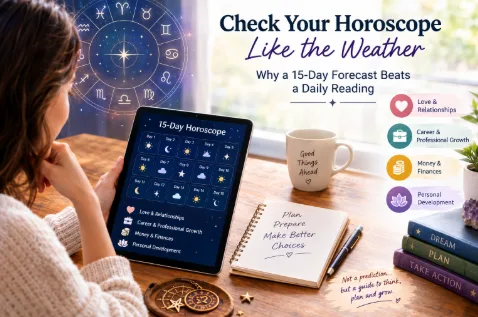
In a world where people plan their schedules around work, relationships, travel, and personal goals, looking ahead can make everyday life feel more manageable. Weather forecasts help people prepare for changing conditions, and horoscopes offer a similar opportunity for reflection by exploring possible themes in the days ahead. While a daily horoscope provides a quick snapshot of the present, a longer forecast can offer a broader perspective on what might lie ahead.
This is where a Zodiac Timeline becomes an interesting way to explore astrology. Instead of focusing exclusively on one day, a 15-day horoscope allows readers to consider potential patterns, reflect on upcoming priorities, and approach the next two weeks with a more thoughtful mindset. For astrology enthusiasts, this extended outlook can make horoscope reading more engaging, practical, and meaningful.
Why Daily Horoscopes Do Not Always Tell the Whole Story
Daily horoscopes are popular because they are short, convenient, and easy to read. A person can check a prediction during breakfast, on the way to work, or before starting an important task. These brief readings often focus on a specific theme, such as communication, romance, career decisions, or personal growth.
However, life rarely follows a neat 24-hour schedule. A professional project may take several days to complete, a relationship conversation may develop over a week, and a personal decision might require time and careful consideration. Reading a horoscope for only one day does not necessarily provide the broader context that some readers want.
For example, a daily reading might encourage someone to communicate clearly, but it may not explore how that theme could relate to the following week. A longer forecast provides more room to consider different stages of a situation rather than treating every day as an isolated experience.
Daily horoscopes still have value, particularly for people who enjoy short moments of reflection. Nevertheless, readers looking for a wider perspective may appreciate an extended forecast that covers more than the immediate future.
Think of Your Horoscope Like a Weather Forecast
Imagine checking the weather before planning an outdoor event. Knowing that it might rain this afternoon is useful, but understanding the expected conditions throughout the coming week can help you make better preparations.
A horoscope can be approached in a similar way, although there is an important difference: weather forecasts rely on scientific observations and predictive models, whereas astrology is a belief-based practice without established scientific evidence that it can predict personal events.
Within the context of astrology, a longer horoscope can serve as a framework for reflection. Instead of treating a single prediction as a definite statement about what will happen, readers can explore possible themes and think about how those themes relate to their own choices.
A 15-day forecast offers this wider perspective. It gives readers a chance to look beyond today’s concerns and consider the next several days as part of a larger personal journey.
The objective is not to let a horoscope make decisions for you. Rather, it is to use the reading as an optional prompt for self-awareness, preparation, and thoughtful planning.
What Makes a 15-Day Horoscope Different?
The main advantage of an extended horoscope is its broader time frame. Fifteen days provide enough space to explore multiple themes without requiring readers to commit to a lengthy monthly forecast.
Here are several ways this format can improve the horoscope-reading experience.
1. A Broader View of Upcoming Priorities
A daily horoscope generally concentrates on one day’s themes. An extended reading can encourage readers to think about their priorities over a longer period.
Someone focused on career development might use a 15-day forecast as a reminder to review professional goals, prepare for meetings, or organize unfinished tasks. Someone thinking about relationships might reflect on communication habits and the importance of listening.
These activities do not depend on astrological predictions being accurate. The forecast simply provides a starting point for considering real-life priorities.
2. More Time to Reflect on Relationships
Relationships develop through ongoing conversations, shared experiences, and everyday decisions. A single horoscope may offer a brief thought about romance or communication, but a longer reading creates more opportunities to reflect on these subjects.
For example, readers can use an extended horoscope to think about emotional boundaries, patience, understanding, and the value of honest conversations.
A Zodiac Timeline can make this process feel more organized by encouraging readers to consider the coming days together instead of searching for a completely new message every morning.
It is important, however, to remember that healthy relationships depend on communication and mutual respect, not predictions about zodiac compatibility.
3. A Better Opportunity for Personal Planning
Many people enjoy connecting horoscope reading with journaling or personal goal-setting. An extended forecast can complement these habits by providing a recurring opportunity to pause and review the direction of everyday life.
At the beginning of a 15-day period, readers might identify a few priorities. During the following days, they can reflect on their progress, recognize challenges, and adjust their plans when necessary.
This approach can turn horoscope reading into a simple mindfulness exercise rather than a search for guaranteed answers about the future.
4. Less Pressure to Check Predictions Every Day
Some astrology enthusiasts enjoy reading their horoscope daily, while others find repeated updates distracting. An extended forecast can offer a more relaxed alternative for people who prefer to consider broader themes without checking a new prediction constantly.
Readers can review the forecast when they have time, return to particular sections, and decide which ideas are relevant to their circumstances.
This flexibility makes a longer horoscope useful for casual readers as well as people who enjoy exploring astrology in greater detail.
How a Zodiac Timeline Can Help Organize the Next 15 Days
A Zodiac Timeline can be understood as a structured way to explore horoscope themes across a defined period. Rather than concentrating on a single prediction, readers can use the extended outlook to organize their reflections around different aspects of life.
For example, the first few days might become an opportunity to review existing responsibilities and establish priorities. The middle portion of the forecast could inspire reflection on communication, relationships, or work habits. The final days might encourage readers to review progress and consider what they want to accomplish next.
This is an illustrative planning method, not a scientifically established astrological sequence. Its usefulness comes from the reflection and organization it encourages.
Readers can make the experience more personal by keeping a short journal. They might record a horoscope theme, write down how it relates to their current circumstances, and revisit their notes at the end of the period.
Over time, this habit may help them identify recurring concerns, clarify their priorities, and better understand their own reactions to everyday experiences.
Why Your Zodiac Sign Matters When Exploring Longer Forecasts
Each zodiac sign has its own traditional symbolism and associations within astrology. Aries is commonly associated with initiative, Taurus with stability, Gemini with communication, and Cancer with emotional security. The remaining signs also have their own familiar themes in astrological traditions.
These associations give horoscope writers a framework for creating readings that feel relevant to different audiences.
A 15-day forecast can expand on these traditional themes by offering readers more opportunities to consider different areas of life. Someone exploring a Leo horoscope, for instance, might reflect on confidence and creative expression. A Virgo reader might focus on organization, practical responsibilities, and attention to detail.
Such interpretations should be viewed as general astrological perspectives rather than scientifically verified descriptions of individual personalities. People are shaped by their experiences, circumstances, values, and decisions in ways that go far beyond their zodiac signs.
The most useful horoscope is therefore one that invites thoughtful consideration without placing unnecessary limits on what a person can achieve.
How to Get More Value From a 15-Day Horoscope
Reading an extended forecast becomes more rewarding when you approach it with realistic expectations. The following habits can help you use astrology as a tool for reflection.
Read with an open mind. Consider the themes presented in your horoscope, but do not assume every statement will match your life.
Connect predictions with practical goals. If a reading highlights organization, use the idea as a reminder to review your schedule or complete an outstanding task.
Keep personal decisions in your hands. Important choices involving finances, health, relationships, and careers should be based on reliable information, careful judgment, and professional advice when appropriate.
Review your progress. At the end of the 15-day period, consider what you learned, which goals you achieved, and what you would like to improve.
Avoid unnecessary anxiety. A horoscope should not make you fearful about the future. No astrological forecast can reliably guarantee that a particular event will happen on a particular day.
These practices allow readers to enjoy astrology while maintaining a balanced perspective on everyday life.
Final Thoughts: Look Beyond Today’s Horoscope
Daily horoscopes offer a convenient way to explore astrological ideas, but they represent only a small window into a much longer stretch of everyday life. For readers who enjoy looking ahead, a 15-day forecast provides a broader framework for reflection, planning, and personal goal-setting.
Thinking of your horoscope like the weather can help illustrate the appeal: a wider outlook may encourage preparation, while flexibility remains essential because life does not always follow expectations. Unlike weather forecasting, however, astrology does not have a comparable scientific foundation for predicting personal events.
A Zodiac Timeline offers an engaging way to organize horoscope reading across the next two weeks. By considering themes over time, keeping personal notes, and connecting reflections with practical actions, readers can make their astrology experience more intentional.
Ultimately, the best reason to explore an extended horoscope is not to discover an unchangeable future. It is to make time for self-reflection, think carefully about upcoming priorities, and approach each new day with greater awareness and confidence.