Powering Global Connectivity Reliably and Efficiently
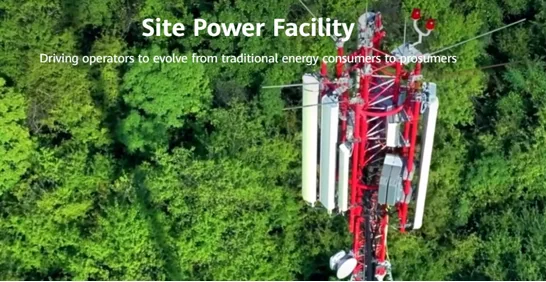
Core Technological Innovations in Huawei’s Telecom Power Systems
Many telecom operators worldwide have long faced two critical challenges: inconsistent power supply that disrupts network services and skyrocketing energy costs that strain operational budgets. Huawei’s telecom power systems address these pain points through a series of cutting-edge, purpose-built technologies. At the heart of these solutions is the MatePower series, which leverages silicon carbide (SiC) power devices to boost conversion efficiency to over 96.5%, a significant jump from traditional silicon-based systems that typically top out around 92%. This efficiency gain not only cuts energy waste but also reduces heat generation, lowering cooling demands for both indoor and outdoor sites. The modular design of Huawei’s power units is another key innovation—operators can add or replace individual rectifier modules without taking the entire system offline, minimizing downtime during maintenance or capacity expansion. This is particularly valuable for 5G networks, which require denser, more flexible power deployment to support high-bandwidth, low-latency services. Additionally, Huawei’s iManager Power intelligent monitoring platform integrates real-time data analytics, remote control, and predictive fault alerts. The platform tracks parameters like voltage, current, temperature, and battery health across thousands of sites, allowing operators to adjust power loads dynamically, identify potential issues before they cause outages, and streamline maintenance workflows.
Scalable Deployment Models for Diverse Network Scenarios
Telecom networks vary widely in their requirements, from core data centers supporting national backbone services to remote rural base stations in mountainous or desert regions. Huawei offers tailored deployment models to fit every use case. For core data centers, its micro-module power systems integrate rectification, inversion, energy storage, and distribution into a compact, pre-configured unit. These modules reduce on-site installation time by up to 40% and optimize space usage, making them ideal for dense urban data centers where real estate is limited. For edge base stations, Huawei’s outdoor integrated power cabinets (IP-rated up to IP55 and above) are designed to withstand harsh conditions—extreme temperatures ranging from -40°C to 60°C, heavy rain, dust, and even salt spray in coastal areas. These cabinets combine power supply, backup lithium-ion batteries, and optional renewable energy inputs like solar panels, eliminating the need for separate equipment rooms and lowering installation costs. In remote regions with no access to grid power, Huawei’s hybrid power solutions pair solar or wind energy with battery storage and smart grid interfaces. This model has proven transformative for rural connectivity projects in Africa and Southeast Asia, where grid reliability is often poor. For example, a typical remote base station using Huawei’s hybrid system can run on solar during the day and stored energy at night, reducing reliance on diesel generators that are costly and polluting.
Real-World Case Studies of Huawei Power Solutions
The effectiveness of Huawei’s telecom power systems is best illustrated through successful deployments across global markets. In 2021, Malaysian telecom operator Maxis Communications replaced its aging lead-acid battery systems with Huawei’s MatePower T48 rectifiers and lithium-iron phosphate (LFP) energy storage for over 2,000 base stations. Prior to this upgrade, Maxis experienced an average of 120 hours of downtime per year due to power failures, with energy consumption accounting for 25% of its operational costs. After implementing Huawei’s solution, downtime dropped by 92% to just 10 hours annually, and energy efficiency improved by 32%. The LFP batteries also have a 10-year lifespan, compared to 3-5 years for lead-acid models, reducing replacement costs by 60%. Another notable case is China Mobile’s deployment in the high-altitude regions of Tibet, where temperatures can plummet to -30°C and air pressure is 50% lower than at sea level. In 2022, the operator installed Huawei’s custom high-voltage power systems for 500+ base stations in the Ali Prefecture. These systems are optimized to operate efficiently in low-pressure environments, with built-in heating modules to prevent battery failure in cold weather. The result was a 100% uptime rate for the base stations during the harsh winter months, a significant improvement from the previous system’s 85% reliability rate. In Europe, German telecom provider Telefonica rolled out Huawei’s intelligent power monitoring platform across its 120,000 base stations in 2023. The platform uses machine learning to analyze power usage patterns and predict faults, reducing unplanned outages by 45% and cutting maintenance costs by 42% within the first year. Operators now receive real-time alerts via mobile devices, allowing them to address issues remotely instead of sending technicians to remote sites.
Future Directions and Sustainability Focus
As telecom networks evolve toward 5G-Advanced and 6G, the demands on power systems will grow even more stringent—requiring higher efficiency, greater reliability, and stronger integration with renewable energy. Huawei is at the forefront of shaping this future through ongoing innovation focused on sustainability and intelligence. A key priority is AI-driven power management, where machine learning algorithms will predict load fluctuations based on network traffic patterns, weather conditions, and energy prices to adjust power allocation dynamically. For example, during off-peak hours when network usage is low, the system can reduce the number of active rectifier modules to save energy, or switch to stored renewable energy instead of drawing from the grid. Huawei is also developing next-generation energy storage solutions, including hydrogen fuel cell systems for remote sites. These fuel cells offer zero-emission power with a 72-hour runtime, eliminating the need for diesel generators entirely in areas with no grid access. Another area of focus is the integration of power systems with computing infrastructure, aligning with the rise of cloud networks and edge computing. Huawei’s future power solutions will work in tandem with data centers and edge nodes to optimize overall energy use, pushing the power usage effectiveness (PUE) of data centers below 1.05—well below the global average of around 1.5. Finally, Huawei is committed to helping operators achieve their carbon neutrality goals. By 2030, the company aims to support global telecom operators in reducing their carbon emissions by 10 million tons through optimized power solutions, renewable energy integration, and efficiency improvements. This aligns with the broader industry shift toward green telecommunications, where power systems are no longer just a utility but a core component of sustainable network operations. Beyond these technical advances, Huawei is also collaborating with industry partners to develop standardized protocols for interoperability between power systems and telecom networks, ensuring seamless integration as networks scale. This collaborative approach has already yielded positive results in regions like Latin America, where a joint project between Huawei and a regional operator reduced power-related costs by 28% while expanding coverage to 1.2 million rural users in two years.