Induction Stoves, Heat Pumps, and EVs: Is Your Brooklyn Electrical Panel Ready to Go Electric?
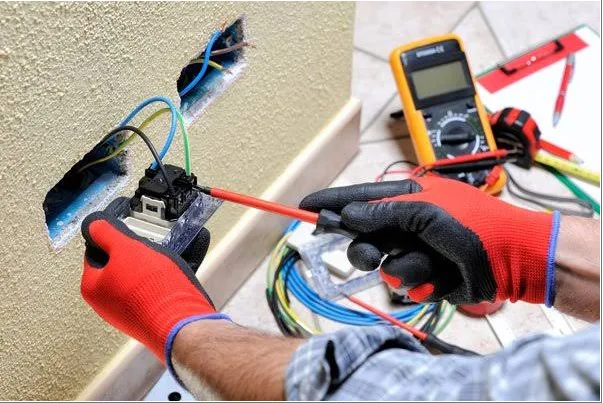
For a hundred years, Brooklyn buildings split the work: gas did the heavy lifting – heat, hot water, cooking – and electricity handled the lights and the toaster. That arrangement is ending, one appliance at a time. The induction range replaces the gas stove, the heat pump replaces the boiler’s territory floor by floor, the car in the driveway starts drinking from the house instead of the gas station. Every one of those swaps moves a job from the gas meter to the electric panel – and the panel never got a vote. The electricians in Brooklyn doing this work are having the same conversation in basement after basement: the appliances are ready, the incentives are ready, and the hundred-amp service from 1974 is the bottleneck nobody budgeted for.
Here’s the load math behind going electric, and the three ways to make room for it.
The All-Electric Wave Hitting Brooklyn Buildings
This isn’t a trend piece – it’s law and economics arriving together. New construction in NYC is now required to go all-electric under the city’s gas ban for new buildings, the state has followed with its own version, and the big-building carbon caps under Local Law 97 are pushing existing buildings in the same direction with actual fines attached. Meanwhile the incentive money flows one way: state heat pump rebates through the Clean Heat programs, federal tax credits for heat pumps and induction, and – the part that matters most for this article – credits that specifically help pay for the electrical panel work when it rides along with electrification. The policy layer took a side.
The ground-level version is simpler: the boiler dies and the replacement quote includes a heat pump option that didn’t exist last time. The kitchen reno defaults to induction. The next car is electric. Each decision is individually reasonable, and each one quietly spends electrical capacity. Which is why a modern electrical panel upgrade in Brooklyn has changed character – it used to be a safety project about retiring old fuse boxes and hazard-brand breakers, and it’s increasingly a capacity project about what the house is becoming. Same panel on the wall, completely different math behind it.
What Induction Ranges, Heat Pumps, and EV Chargers Each Demand From a Panel
Here’s the roster of new tenants, with the circuits they ask for.
The induction range is the gas stove’s replacement and it eats like one: a 240-volt circuit, typically 40 or 50 amps, the single biggest kitchen load in the house. (Worth one aside for apartment dwellers: a new category of battery-equipped induction ranges plugs into an ordinary outlet and buffers the power internally – a clever dodge for units where a new 240-volt run is brutal, and a real option Brooklyn electrical contractors are starting to get asked about.) Heat pumps span a range – individual mini split heads are modest, but a multi-zone system or a whole-home unit replacing a boiler wants its own hefty 240-volt feed, and cold-climate units with backup heat strips want more. The heat pump water heater is the pleasant surprise of the group, typically landing on a 30-amp circuit while sipping far less in practice than the old resistance tanks. The EV charger – covered at full length in its own article – adds a 30-to-60-amp continuous load that runs for hours, which the load rules treat extra conservatively for exactly that reason. Add the electric dryer if the gas one goes too.
Stack the whole wish list and you’ve notionally added well over a hundred amps of connected equipment to a house that may have a hundred amps of total service. That sounds like game over. It isn’t – because connected load and actual demand are different numbers, which is the entire reason the next section exists.
How Electricians Run a Load Calculation Before Anything Gets Installed
The load calculation is the unglamorous hero of every electrification project, and it’s the step that should happen before any equipment gets ordered – not after the induction range is sitting in the kitchen in a box.
The method comes straight out of the electrical code: start with the general lighting and receptacle load from the home’s square footage, add the fixed kitchen and laundry circuits, add each fixed appliance at its nameplate, then apply the demand factors – the code’s acknowledgment that a house never runs everything simultaneously. The range gets discounted per the demand tables, heating and cooling count whichever is larger rather than both, and the EV charger gets the opposite treatment: as a continuous load it counts at 125 percent, no discount, because it genuinely does run flat-out for hours. The output is a single number – calculated demand in amps – laid against the service size on the meter pan. A 200-amp service absorbs a full electrification stack with room left over in most homes. A 100-amp service sometimes passes with one or two additions and smart choices, and sometimes the math says no. Sixty amps was never in the conversation.
Two upgrades to the basic math are worth knowing. The code allows an alternative calculation for existing dwellings that credits real-world usage, and better still, some electricians now pull a year of actual interval data from the Con Edison smart meter – the house’s true peak demand, measured, not estimated. Plenty of homes discover their real peak is half of what the conservative arithmetic assumed, and that discovery is free capacity. Either way, the deliverable is the same: a documented answer to “what can this service carry,” signed by someone licensed, before a single dollar goes to equipment.
Service Upgrades, Subpanels, and Smart Load Centers
When the math comes up short, there are three doors, in ascending order of cleverness and descending order of copper.
Door one, the classic: upgrade the service to 200 amps. New service cable, new meter pan, new panel with real breaker spaces, Con Edison coordination, permits – the full day described in the earlier panel article. It’s the most expensive door and the most final; every future conversation ends with “plenty of room.” For a house committed to full electrification, it’s usually the honest answer, and the current incentive landscape takes a real bite out of the cost when it accompanies a heat pump or charger project.
Door two solves a different problem: the panel that’s out of spaces but not out of amps. A subpanel – a satellite panel fed from the main – adds breaker positions where they’re needed, like next to the kitchen for the range and the new appliance circuits, without touching the service size. Cheaper, quicker, and the right call when the load calc passed and only the real estate ran out.
Door three is the new one: manage the load instead of enlarging it. The same load-management logic from the EV world now applies house-wide – smart panels and load controllers that watch total demand in real time and shed or throttle the flexible loads (the car, the water heater) whenever the inflexible ones (the range at dinnertime, the heat pump in January) spike. The car charges at 2 a.m. regardless; it never needed to compete with dinner. Done right, a managed 100-amp service runs an electrified house that the raw arithmetic said was impossible, and skips the service upgrade entirely. Done lazily – devices installed but never configured to the house – it’s just an expensive panel with a dashboard. The configuration is the product.
Planning the Upgrade Once Instead of Three Times
The expensive way to electrify is the way most people accidentally do it: one project at a time, each contractor solving only their own appliance. The induction installer runs one circuit. Two years later the heat pump crew discovers the panel is now full and adds a subpanel. Two years after that the EV electrician delivers the service-upgrade news that was inevitable from the start – and now the walls that were open during the kitchen reno are closed, and the trench that could have carried two conduits carries one.
The cheap way takes one meeting. List everything the house will plausibly electrify this decade – range, dryer, water heater, heat pump, charger, future apartment mini splits – and run the load calc against the whole list now, even though the purchases come in phases. The answer dictates the infrastructure move: upgrade once to 200 with a panel that has spare slots, or commit to the managed-load architecture, or confirm the existing service genuinely carries it all. Then every future project becomes a breaker and a circuit instead of a crisis. While any single project has walls or ground open, run the spare conduit – empty pipe costs almost nothing on install day and a fortune later.
Gas took a century to build its position in these buildings. The electrical side gets maybe a decade to absorb the handoff. The houses that do it once, on purpose, with the math in hand – those are the ones where the transition is boring. Boring is the goal.
Brooklyn Electrician
1368 Fulton St, Brooklyn, NY 11216
(929) 460-9789