How to Build a Hair Replacement Membership Program That Supports Both Clients and Salon Growth
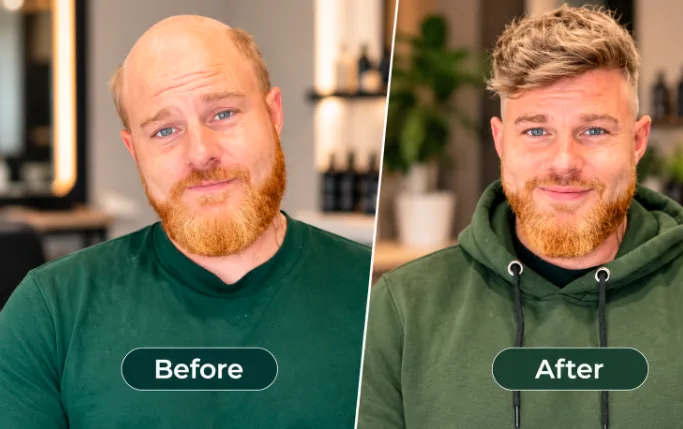
For a hair replacement center, the initial fitting is rarely just a single sale—it is the start of an ongoing partnership with a client.
Many stylists know the feeling: a client walks out feeling renewed. They promise to come back when their adhesive gets loose or when they need proper maintenance. Then, they get on with their busy daily routine, and forget to make an appointment on the books. By the time they actually reach out for help, the base is already lifting, requiring an urgent, last-minute fit. These unpredictable return intervals can cause the studio calendars to shift between overwhelming rushes and quiet afternoons, so the technician schedules and hair system inventory are hard to forecast.
A structured membership program can easily remove this friction you might be facing. When clients have a clear monthly routine, maintenance happens proactively rather than in a rush. For the studio, regular visits transform sporadic transactions into steady, predictable monthly revenue while providing a clear forecast of the replacement hair units needed each month.
Start With What Your Clients Need
Most clients have practical questions: When should I come back? Does the plan cover removal, cleaning, and reattachment? What happens when I need a new hair system? Will I be able to get an appointment?
Take a look at the last few months of service records. Some clients come in for nearly every maintenance visit. Others handle much of the upkeep at home and only book a haircut, adjustment, or replacement. They probably don’t need the same plan.
That’s why you don’t need five or six membership tiers on day one. Start with the services people ask for most often. A simpler offer is easier to explain, and it’s easier to see what it really costs to deliver.
Two Membership Models Worth Considering
As a salon or hair replacement center, you may consider trying the following two models.
- Maintenance-Only Membership
This plan covers a set number of removal, cleaning, and reattachment appointments. Clients buy new hair systems separately. They get a more predictable care schedule, and the center can plan for at least part of its appointment volume.
Be specific about the number of visits, what each visit includes, extra charges, and booking policies. Even a maintenance-only plan has real costs: technician time, tape, adhesive, cleaning products, and other supplies.
- Maintenance Plus Hair System Replacements
Another option combines scheduled maintenance with an agreed number of new hair systems during the membership term. Clients can plan their spending more easily, while the center gets a better idea of what it may need to order.
A client might need several removals, cleanings, and reattachments before needing a new system. So spell out maintenance visits and replacement allowances separately. A system’s usable life varies with its base construction, condition, care routine, and how it’s worn. One replacement schedule won’t be right for everyone.
If you’re considering unlimited maintenance, define exactly what that includes and use past appointment records to estimate how often members might come in. Care recommendations should still reflect each client’s needs and your team’s professional judgment, rather than a billing calendar.
In day-to-day salon practice, matching replacement allowances to the client’s preferred base construction helps avoid both premature wear and unexpected salon costs. Different base constructions offer varying lifespans, which naturally influence whether a plan includes two, four, or six systems per year:
Note: Realistic lifespans depend on individual scalp acidity, daily care routines, and adhesive types. Keeping replacement guidelines flexible allows stylists to adjust recommendations to each wearer’s actual wear patterns.
The Membership Fees Are Coming In. Are You Making Money?
Here is a simple example that will show you how recurring membership revenue balances against service costs.
Say a maintenance-only tier is priced hypothetically at $175 per month; it’s designed around one comprehensive maintenance visit every four weeks (removal, scalp clarifying, base cleaning, re-taping/bonding, and trimming the perimeter).
Track direct consumables alongside technician hours. Doing this helps teams clarify actual margins. When centers work with wholesale manufacturers offering tiered volume pricing, product costs tend to stay stable. This helps studios protect margins even as appointment volume grows.
Variable costs often include labor that shifts with service volume, consumables, the cost of systems bundled into membership plans, and other incremental costs. Teams treat fixed wages and other costs unaffected by service volume separately to avoid double-counting. Contribution margin differs from net profit: rent, administrative expenses, marketing, and other overhead still apply.
Also, collecting several months of membership fees upfront doesn’t mean all the promised services have been delivered. Advance payments may help cash flow, but you still have future service commitments. Revenue should be recognized under the accounting rules that apply to the business.
This calculation is a planning estimate, not a measure of final profit. Actual results depend on each center’s costs, service commitments, and operations.
Make the Program Work Day to Day
You don’t need to stock hundreds of hair systems at your studio to manage replacement inventory. Many operators run smoothly with a two-part inventory approach: keeping core stock on hand while scheduling custom builds ahead of time.
Part 1: Core Stock Specs For Fast Backup. For some of the most popular base sizes like 8”×10”, standard medium-light 100% density, and top-selling colours — #1B, #2, #3, and common gray mixes — a small in-studio buffer is enough to prevent appointment hold-ups. Factory suppliers such as Newtimes Hair can ship ready-made stock pieces out within 24 hours of order placement. US studios have the option for 2-day domestic shipping. This quick lead time lets you cover regular replacement jobs or sudden unit damage for your clients without scrambling.
Part 2: Planned Custom Orders For Bespoke Cases. Some clients need fully custom work: unique base shapes, custom scalp contours, tailored gray percentages, or non-standard hair density. These jobs need forward planning. Hand-tied custom work is highly labour-intensive. Set a calendar alert 8–10 weeks before your client’s fitting date. That way, the finished system arrives inspected and pre-styled well before they come in.
Staying on top of a handful of key metrics keeps your membership program pleasant for clients and your salon staff alike.
Member Reorder Alignment: Do replacement units land at least two weeks before their current system starts showing obvious shedding or fraying along the edges? Building in this small lead time keeps both the client and stylist from feeling stressed at the last minute.
Predictable Monthly Margins: Check your supply costs every so often — tapes, liquid adhesives, removers, plus wholesale hair pricing. This review makes sure your monthly membership fee still maintains solid profit margins for the salon.
Test It With a Small Group First
You don’t need to overhaul your entire business to try memberships. Start with a few existing clients who have regular maintenance needs and are willing to give feedback. Offer a plan that your team can explain in a minute or two.
Put the details in writing: payment terms, included and excluded services, booking rules, extra charges, pauses, cancellations, and renewals. If the plan includes a longer contract or automatic renewal, check the rules that apply in your location.
After a trial period, look at what actually happened. Was booking easier for clients? Did appointments fit the schedule? Were service costs close to your estimates? Could your suppliers keep up with replacement needs? Use those answers to shape the next version before expanding.
Frequently Asked Questions About Hair System Memberships
How many hair systems should a studio include in an annual membership?
Many salon owners land on 3–4 systems each year for clients wearing French lace or standard thin skin bases. Those base types usually last around 3 to 4 months per unit. Clients selecting 0.03 mm ultra-thin skin for a nearly invisible hairline burn through units faster. Their membership packages will often need 10 to 12 replacements per year. Monofilament and hybrid builds hold up much better over time. Clients on these durable systems might only need one or two new units annually.
Should a studio offer “unlimited” maintenance appointments?
Unlimited maintenance sounds tempting at first glance. Most salons avoid this structure. A practical alternative: schedule one maintenance visit every three to four weeks, and add a small separate charge for emergency reattachments. This keeps appointment slots available fairly across your whole client base. It also makes sure your technicians get compensated for every hour they work.
What is the gentlest way to introduce a membership program to existing clients?
Stylists often start small. Pull together a pilot group of 5–10 long-term, dependable clients first. Frame the membership around tangible perks: secure recurring appointment times, simpler monthly budgeting for their hair replacement. This method feels collaborative, not salesy. Clients can adjust to the new offering without feeling pressured.