The Benefits of Installing an Under-Sink Water Filter in a Modern Home
Introduction
Modern homes are designed around convenience, efficient use of space, and practical everyday routines. The kitchen plays a central role in these priorities because it is used for food preparation, cooking, cleaning, and drinking water access. For homeowners who want a convenient source of treated drinking water, an under-sink filtration system can be an attractive option.
Unlike countertop filtration products, under sink reverse osmosis system keeps most of their components inside a kitchen cabinet. Depending on the technology, they may improve taste and odor, capture suspended particles, or reduce selected dissolved contaminants.
However, not every system provides the same level of treatment. Choosing a suitable model requires understanding the household’s water quality, available installation space, maintenance requirements, and expected water consumption.
A Cleaner and More Organized Kitchen
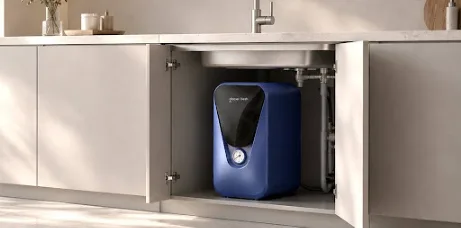
One of the main advantages of an under-sink filtration system is its discreet installation. Most of the filtration equipment remains hidden inside the cabinet, keeping the countertop available for everyday tasks.
This can be especially useful in smaller kitchens, where counter space is needed for food preparation, appliances, and storage containers.
A dedicated filtered-water faucet can be installed beside the main kitchen faucet, depending on the system’s design. Some products can also work with compatible integrated dispensers.
Although the filtration equipment is hidden, homeowners still need access to the cabinet for filter replacement and maintenance. Measuring the available space before purchasing helps ensure that the equipment can be installed and serviced conveniently.
Convenient Access to Drinking Water
An under-sink system provides a fixed source of treated water directly in the kitchen. This can make everyday activities easier, including filling reusable bottles, preparing tea and coffee, and adding water to recipes.
Household members do not need to refill a separate pitcher repeatedly or keep bottled water within easy reach.
The convenience is particularly noticeable in busy households where several people use the kitchen throughout the day. However, the ro water filtration system production capacity should match the household’s needs.
Tank-based reverse osmosis systems store treated water for immediate use, while tankless systems generally produce water on demand. The best configuration depends on the number of users, daily consumption, and rated output.
Different Technologies for Different Water Needs
Under-sink filtration systems are available in several configurations. Some use sediment and carbon filters, while others incorporate a reverse osmosis membrane.
Sediment filters capture suspended particles. Activated carbon can reduce chlorine taste and odor and certain organic compounds. Reverse osmosis reduces many dissolved substances, depending on the membrane and verified performance of the complete system.
A suitable ro water filtration system may be useful when additional treatment is needed for particular dissolved contaminants.
However, homeowners should not assume that all under-sink products offer equivalent filtration. The correct technology depends on the incoming water quality and the substances that need to be reduced.
Water quality reports and appropriate laboratory testing can help determine whether reverse osmosis or a simpler filtration method is suitable.
Potential Reduction in Bottled-Water Purchases
Some households regularly purchase bottled water because they prefer its taste or want a convenient drinking-water option. A home filtration system may reduce the need for these purchases by providing treated water directly from the kitchen.
Reusable bottles can make it easier to carry water to work, school, and outdoor activities. Families may also use filtered water for cooking and preparing beverages.
However, financial savings depend on the amount of bottled water replaced and the cost of operating the filtration system.
Homeowners should account for the initial purchase price, installation, replacement cartridges, membrane maintenance, and any electricity or wastewater costs. Comparing these expenses with current bottled-water spending can help determine whether the investment is worthwhile.
Understanding the Advantages of Reverse Osmosis
Reverse osmosis is a membrane-based treatment process that reduces many dissolved substances. It is commonly used in residential systems that combine several filtration stages.
Pretreatment filters may remove suspended particles and reduce chlorine, while the membrane provides additional treatment for selected dissolved contaminants. Some systems include a final carbon stage or remineralization component.
An under sink reverse osmosis system can bring this technology into the kitchen without requiring a large countertop appliance.
Its effectiveness depends on the system’s specifications and operating conditions. Homeowners should check independent certifications and verify that the product has been tested for the contaminants they want to reduce.
Reverse osmosis also produces wastewater and requires regular maintenance, so these considerations should be included when comparing products.
Improving Everyday Cooking and Beverage Preparation
Water is used in many kitchen activities beyond drinking. It is an ingredient in tea, coffee, soups, sauces, rice, and other dishes.
Some homeowners prefer filtered water because reducing chlorine taste and odor may improve the flavor of beverages and recipes. The result depends on the original water composition and the filtration technology.
Reverse osmosis can also reduce certain dissolved minerals, which may change the taste of the water. Some systems include remineralization stages designed to adjust the final flavor.
Taste preferences differ between households, so homeowners should consider their priorities and the performance information available for each product.
It is also important to recognize that filtration does not automatically improve every aspect of food preparation. The value depends on the source water and the particular substances being reduced.
Space Requirements and Installation
Although under-sink systems are designed to save countertop space, the cabinet must accommodate the filtration equipment and its connections.
Tank-based reverse osmosis systems need room for both the filters and storage tank. Tankless products may occupy less space but can require an electrical outlet or additional components.
Before buying, measure the cabinet’s height, width, and depth. Account for the plumbing, drain connection, and room needed to replace cartridges.
Some homeowners may be comfortable installing a straightforward system by following the manufacturer’s instructions. Others may benefit from a qualified plumber, especially when plumbing modifications or electrical components are involved.
Proper installation helps reduce the risk of leaks and supports reliable operation.
Maintenance and Long-Term Reliability
An under-sink filter is not a maintenance-free appliance. Its cartridges have limited service lives, and reverse osmosis membranes may eventually require replacement.
Homeowners should check the manufacturer’s recommended service intervals and the price of compatible replacement filters before purchasing.
Routine maintenance may include replacing cartridges, flushing new filters, checking tubing and fittings, and sanitizing components when recommended.
Keeping a record of maintenance dates helps prevent overdue replacements. It is also useful to inspect the cabinet occasionally for dampness or leaks.
If the water flow changes unexpectedly or an unusual taste develops, review the troubleshooting instructions rather than assuming that the system is working correctly.
Selecting a Suitable Model
The best under-sink filtration system depends on the household’s actual water quality needs.
Start by reviewing the municipal water report or arranging appropriate testing for a private well. Identify the contaminants that require reduction and compare products with verified performance for those substances.
Next, consider production capacity, cabinet dimensions, water pressure, wastewater, and replacement filter costs.
Warranty terms and customer support also matter. A product that has clear maintenance instructions and accessible replacement components may be easier to own over the long term.
Avoid choosing a system solely because it has the greatest number of filtration stages or the most attractive product description.
Conclusion
Under-sink water filtration can provide convenient access to treated drinking water while keeping most equipment out of sight. Potential advantages include an organized kitchen, easier access to water for cooking and beverages, and reduced reliance on bottled water.
A suitable ro water filtration system may provide additional treatment for selected dissolved contaminants when its performance has been verified. An under sink reverse osmosis system can be a practical choice for homeowners who want membrane-based filtration in a discreet kitchen installation.
Before buying, compare water quality requirements, system capacity, installation needs, maintenance expenses, and verified filtration performance. These considerations help ensure that the selected product meets the household’s practical needs.