What to Expect When Getting a Chain Link Fence Installed
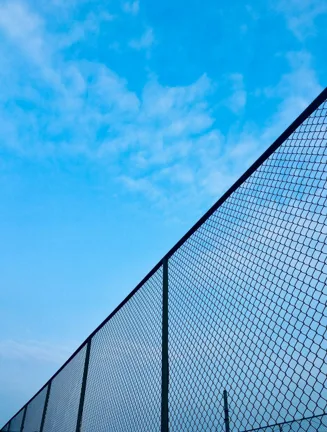
Chain link fence installation is one of the more straightforward fence projects a homeowner can undertake, but the process still involves more steps than most people expect before they’ve been through it. Understanding what happens from the estimate to the final inspection helps homeowners prepare their property, ask the right questions, and avoid surprises. For properties in Bellevue, WA and surrounding areas, the process follows a predictable sequence that typically spans a few days from start to finish.
The Estimate and Planning Phase
The process starts with a site visit from the contractor, who measures the fence perimeter, notes the terrain, and identifies any obstacles that affect the installation. During this visit, the contractor will typically ask about the fence’s purpose — security, pet containment, boundary marking — since the intended use influences height, gauge, and gate placement.
Utility locating is a required step before any post can be set. In Washington, contractors are required to call before digging so that underground lines — water, gas, electrical, and communications — can be flagged. Homeowners should expect this to happen before installation day and understand it may affect post placement in areas near utilities. Most contractors handle this coordination as part of the project.
Post Setting and Spacing
Chain link fence relies on a post-and-rail system that must be set correctly for the mesh to hang properly. Terminal posts — the corner posts, end posts, and gate posts — are set first because they carry the most tension in the system. Line posts, which run between terminal posts at regular intervals, are set next.
Post depth and concrete footing size depend on the fence height, soil conditions, and local requirements. Taller fences require deeper posts. In areas with clay-heavy or saturated soil — common in many Bellevue neighborhoods — the footing mix and curing time matter more than they would in looser, well-draining soil.
Rail Installation and Mesh Hanging
Once posts are set and concrete has cured, the top rail is attached to connect the line posts and give the mesh a frame to attach to. Bottom rails or tension wire runs along the base to keep the mesh from shifting or sagging over time. The mesh is then pulled tight along the fence line using a come-along tool and secured with tension bars and clips at each terminal post.
The tension in the mesh is what gives chain link its structural stability — a fence that’s installed without adequate tension will bow in the middle and sag at the base within a season or two. Experienced contractors check tension consistently across the run as they go, rather than tightening in sections and moving on.
Gates and Access Points
Gate installation adds time and precision to the project. A chain link gate needs gate posts set to specific dimensions so the gate frame can swing freely without dragging on the ground. If the terrain near the gate slopes or has an uneven surface, the gate frame may need to be adjusted or the ground leveled slightly to allow smooth operation.
Homeowners considering chain link fence installation in Bellevue should clarify gate placement and swing direction early in the planning conversation, since changing either after posts are set involves extra work. Single and double gate configurations both require accurate frame sizing to function reliably.
Finish Options and Coatings
Standard chain link mesh is galvanized — coated in zinc to resist rust. This finish works well in most residential settings and holds up to Pacific Northwest weather without special maintenance. For homeowners who want a less industrial look or a fence that blends into a specific color scheme, vinyl-coated chain link is available in black, green, and other colors.
Optima Fence & Deck installs galvanized and vinyl-coated chain link throughout Bellevue and King County, with options for various mesh gauges, heights, and gate configurations to fit residential needs.
What Homeowners Should Prepare Before Installation
Clearing the fence line of vegetation, debris, and personal items before installation day speeds up the process significantly. Contractors can trim or remove light brush, but a fence line with heavy overgrowth or stored materials along it will delay post setting and add time to the project. If any structures or temporary fencing currently sit along the planned fence line, coordinating their removal ahead of time prevents delays on installation day.
FAQ
How long does chain link fence installation typically take?
For most residential installations, post setting takes place on day one, followed by a concrete curing period before rail and mesh work begins. Total installation time ranges from one to three days depending on fence length, number of gates, and terrain conditions. Utility locating and permitting add to the overall timeline but don’t affect installation days directly.
Does chain link fence require a permit in Bellevue?
Fence permits depend on height, location, and proximity to property lines or easements. Bellevue has specific fence height regulations that apply to front yards, side yards, and rear yards. A contractor familiar with local code can advise on whether a permit is required for the specific installation before work begins.
Can chain link fence be installed on a sloped lot?
Chain link fence can follow terrain better than rigid panel fences because the mesh can be racked to a degree on gradual slopes. On steeper slopes, a stepped approach — with level sections between posts — works well. Gaps at the base of stepped sections can be addressed with additional tension wire or ground anchors if pet containment is the goal.
What maintenance does chain link fence require?
Galvanized chain link requires very little maintenance. Periodic inspection for rust on cut ends or damaged sections is recommended, and minor rust spots can be treated with rust-inhibiting paint. Vinyl-coated chain link may eventually show chips or scratches that expose the underlying metal, which can be touched up to prevent corrosion from spreading.