Understanding Persistent Back Pain: How Daily Habits, Movement, and Professional Care Work Together
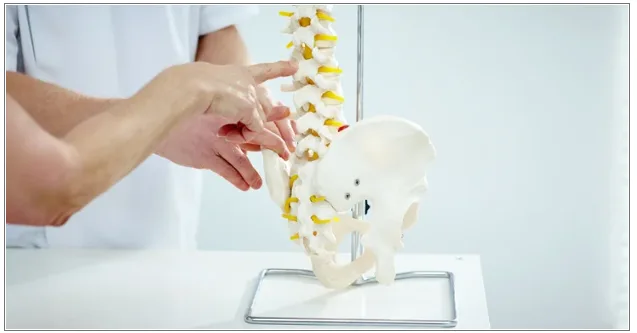
Back pain is a common musculoskeletal concern that can affect people across different occupations and lifestyles. Long hours at a desk, repetitive lifting, limited physical activity, and demanding daily routines may contribute to discomfort that interferes with work, sleep, and ordinary movement. While occasional soreness may settle with time and appropriate self-care, recurring or persistent symptoms deserve closer attention.
Back pain does not have a single cause. Muscle strain, joint-related problems, disc conditions, and irritation of spinal nerves can produce overlapping symptoms. Understanding the circumstances in which discomfort develops is therefore an important step towards selecting suitable care. A combination of appropriate clinical assessment, regular movement, and practical lifestyle adjustments can help many people manage symptoms and maintain physical function.
Rather than focusing exclusively on temporary relief, an effective approach considers the factors that influence back health over time. Recognizing warning signs, understanding available treatment options, and making realistic changes to daily habits can help people make informed decisions about managing back pain.
The Everyday Habits That Can Contribute to Back Pain
Daily routines can influence how the back feels, particularly when activities repeatedly place demands on the same muscles and joints. Prolonged sitting, frequent bending, repetitive lifting, and insufficient movement may contribute to stiffness or discomfort. These factors do not necessarily cause an injury in every person, but they can aggravate existing symptoms or make ordinary activities less comfortable.
Office workers may spend several hours sitting with limited opportunities to change positions. Although sitting itself is not inherently harmful, remaining in one position for extended periods can increase discomfort in some individuals. An unsuitable workstation, poorly positioned screen, or chair that does not support comfortable working positions may add to the problem.
Physical inactivity can also affect back function. When the muscles responsible for supporting movement have limited endurance, tasks such as carrying groceries, climbing stairs, or lifting household objects may feel more demanding. Gradually increasing physical activity and incorporating suitable strengthening exercises can help improve general physical capacity.
There is no universally perfect posture that must be maintained throughout the day. A comfortable position can become uncomfortable when held for too long, making movement variety more useful than rigidly attempting to sit or stand in one prescribed way. Alternating positions and taking regular movement breaks may help reduce stiffness.
Sleep quality, stress, previous injuries, and workload can influence the experience of pain as well. Poor sleep may increase sensitivity to discomfort, while stress can contribute to muscle tension and affect coping. Addressing these factors alongside physical demands provides a more complete approach to managing recurring back pain.
Recognizing Different Patterns of Back Discomfort
Back pain can vary in duration, location, intensity, and associated symptoms. Acute back pain develops over a relatively short period and may follow an unfamiliar activity, sudden movement, or strain. Chronic pain generally refers to pain that persists or recurs for longer than three months. These categories describe the duration of symptoms, rather than identifying their underlying cause.
Some people experience localized soreness around the lower back, particularly after prolonged sitting or physical work. Others notice stiffness when bending, difficulty changing positions, or discomfort after standing for extended periods. Symptoms may fluctuate depending on activity, rest, sleep, and other individual factors.
Pain that travels from the back into the buttocks or down a leg may indicate irritation involving a spinal nerve root. Associated tingling, numbness, or weakness can provide additional clues that neurological assessment may be necessary. However, not every instance of radiating pain indicates nerve compression, and symptoms alone cannot establish a diagnosis.
The timing and progression of symptoms also matter. Discomfort that steadily improves may require a different approach from pain that becomes increasingly severe, repeatedly interrupts sleep, or limits normal movement. Unexplained weight loss, fever, a history of cancer, or other concerning symptoms should be discussed promptly with a healthcare professional.
Certain warning signs require emergency medical evaluation. New loss of bladder or bowel control, numbness around the groin or saddle area, and progressive leg weakness can indicate serious nerve compression. Recognizing these symptoms helps prevent delays in obtaining appropriate care. Persistent or worsening back pain should not automatically be attributed to poor posture or ordinary muscle strain.
How a Professional Assessment Helps Identify the Right Approach
A professional assessment helps distinguish common musculoskeletal discomfort from conditions that require specific investigation or treatment. The evaluation generally begins with a discussion of when the pain started, how it has changed, previous injuries, medical history, and activities that aggravate or relieve symptoms. Information about work demands, exercise habits, and everyday limitations can also help establish relevant contributing factors.
A clinician may examine spinal movement, flexibility, muscle function, strength, and neurological responses when indicated. The assessment can help determine whether symptoms appear consistent with uncomplicated mechanical back pain or whether additional investigation or referral is appropriate. The findings also help guide decisions about exercise, activity modification, and hands-on treatment.
Imaging is not routinely necessary for every episode of uncomplicated back pain. X-rays, magnetic resonance imaging, or other investigations may be considered when the history or examination suggests a serious condition, a specific structural problem, or findings that could change treatment decisions. Unnecessary imaging may identify changes that are common in people without pain and can lead to confusion when results are interpreted without considering symptoms and clinical findings.
For patients exploring chiropractic treatment, these assessment principles are particularly important. A San Jose chiropractor should be able to explain the purpose of the evaluation, discuss suitable treatment options, and identify circumstances that require medical referral. San Jose chiropractor provides chiropractic care, making the distinction between appropriate conservative management and conditions requiring other medical attention relevant to its area of practice.
The website’s emphasis on helping patients return to full health with minimal visits also highlights the importance of setting clear goals and reviewing progress. Treatment frequency should depend on the individual’s condition, response to care, and clinical needs rather than a predetermined promise of recovery within a particular number of appointments. Patients benefit from understanding the expected benefits, limitations, potential risks, and alternatives before agreeing to treatment.
Understanding the Role of Chiropractic Care in Back Pain Management
Chiropractic care is one conservative option that may be considered for selected musculoskeletal conditions, including some forms of lower back pain. Depending on the individual assessment, care may involve spinal manipulation, joint mobilization, movement advice, and recommendations for therapeutic exercise. These approaches have different purposes and should be selected according to the patient’s symptoms and health circumstances.
Spinal manipulation involves a controlled force applied to a joint, while mobilization generally uses slower, more gradual movements. Some patients experience short-term improvements in pain or function following manual therapy, although responses vary and the evidence does not support guaranteed results. Chiropractic treatment is not appropriate for every cause of back pain, particularly when serious injury, infection, certain fractures, or significant neurological problems are suspected.
A balanced treatment plan may combine hands-on care with active strategies that help maintain movement and improve physical capacity. Exercise, education, and gradual return to daily activities can support longer-term management rather than making recovery depend entirely on repeated passive treatment.
Important considerations when evaluating chiropractic care include:
● Individual assessment: Treatment should follow a relevant history and examination. This helps identify whether the symptoms are suitable for conservative care and whether further medical investigation is needed before treatment begins.
● Clear treatment goals: Goals may include improving walking tolerance, reducing movement-related discomfort, or making work activities easier. Specific functional goals provide a more meaningful basis for reviewing progress than relying on temporary changes in pain alone.
● Informed consent: Patients should receive an understandable explanation of the proposed techniques, possible benefits, risks, and available alternatives. They should be able to ask questions and decline any procedure they do not wish to undergo.
● An active recovery plan: Appropriate exercises and practical movement guidance can help patients build confidence and maintain physical function. The plan should be adapted to symptom severity, individual ability, and progress over time.
● Appropriate referral: New neurological deficits, serious warning signs, or symptoms that do not respond as expected may require assessment by another healthcare professional. Chiropractic care should complement, not delay, necessary medical treatment.
Practical Strategies for Protecting Back Comfort at Work and at Home
Small changes to daily routines can make physical tasks more manageable for people experiencing back discomfort. The objective is not to eliminate every movement that places a demand on the back, but to make activities more comfortable and gradually improve tolerance. Consistency is generally more useful than attempting an idealized posture or making multiple drastic changes at once.
Workstation adjustments are a practical starting point for people who spend long periods at a desk. A chair that allows comfortable sitting, a screen positioned to avoid sustained neck bending, and frequently used items placed within easy reach can reduce unnecessary strain during work. Regular breaks also provide opportunities to change position and move.
Lifting technique deserves attention during household tasks and physically demanding work. Keeping an object reasonably close to the body, maintaining a stable stance, and using the hips and knees comfortably can help distribute physical demands. Heavy or awkward objects may require assistance, especially when pain is already present. No single lifting technique guarantees injury prevention, so the weight, environment, and individual’s capacity also matter.
Walking and suitable strengthening exercises can help maintain mobility and physical conditioning. The starting level should reflect current symptoms and fitness. A person who has been inactive may benefit from shorter periods of movement followed by gradual increases, while someone with more significant symptoms may need individualized guidance.
Exercise should not be treated as a test of endurance during a painful episode. Movements that cause substantial worsening, new numbness, or weakness require reassessment. With an appropriate plan, gradual activity progression can help people return to normal routines without unnecessarily avoiding movement.
Building a Sustainable Plan for Recovery and Long-Term Function
Long-term back pain management works best when the plan reflects the person’s diagnosis, daily responsibilities, and response to treatment. Recovery may involve a combination of professional care, appropriate exercise, activity modification, and attention to sleep and other lifestyle factors. The following principles can help organize that process:
● Set realistic functional goals: Instead of focusing only on eliminating pain, patients can monitor improvements such as walking farther, sitting comfortably for longer periods, sleeping better, or completing household tasks with less difficulty. These changes provide practical evidence of progress.
● Increase activity gradually: Sudden increases in exercise intensity or workload may aggravate symptoms in some people. A manageable starting level followed by gradual progression helps build tolerance while allowing the plan to be adjusted according to recovery.
● Monitor symptom changes: Recording when discomfort occurs, which activities affect it, and how long symptoms last can help identify patterns. New neurological symptoms, substantial deterioration, or unexpected changes should prompt professional reassessment rather than simply increasing treatment.
● Review treatment effectiveness: Regular reviews help determine whether the current approach is improving movement and daily function. If meaningful progress is absent, the clinician may reconsider the diagnosis, modify the plan, or recommend further investigation or referral.
● Maintain helpful habits: Regular physical activity, appropriate strengthening, varied working positions, and sufficient sleep can support general musculoskeletal health. These habits are most sustainable when they fit naturally into everyday routines.
● Know when additional care is needed: Persistent, worsening, or unexplained back pain may require a new clinical evaluation. Emergency warning signs, including new bladder or bowel dysfunction, saddle-area numbness, or progressive weakness, require urgent medical attention.
Recovery does not always follow a straight line. Temporary increases in discomfort can occur without necessarily indicating a new injury, but changes should be interpreted in context. Clear communication between the patient and healthcare professional helps ensure that the treatment plan remains appropriate as symptoms and abilities evolve.
Conclusion: Making Back Care Part of Everyday Life
Persistent back pain can affect work, sleep, mobility, and quality of life, but understanding its possible causes creates a stronger foundation for appropriate management. Prolonged static positions, repetitive demands, inactivity, stress, and previous injuries may influence symptoms, although no single factor explains every case.
Professional assessment helps identify the most appropriate next steps, including whether conservative treatment is suitable or further medical investigation is necessary. Chiropractic care may provide short-term benefits for some musculoskeletal conditions, particularly when incorporated into an individualized plan that also addresses movement and daily function.
Practical workstation changes, regular activity, progressive strengthening, and realistic recovery goals can support long-term back health. Recognizing warning signs and seeking reassessment when symptoms worsen are equally important. A thoughtful combination of clinical guidance and sustainable daily habits offers a more reliable approach to managing back discomfort than relying on a single treatment or assuming that every case has the same cause.