ATM Cash Machine for Sale: What to Consider Before Buying
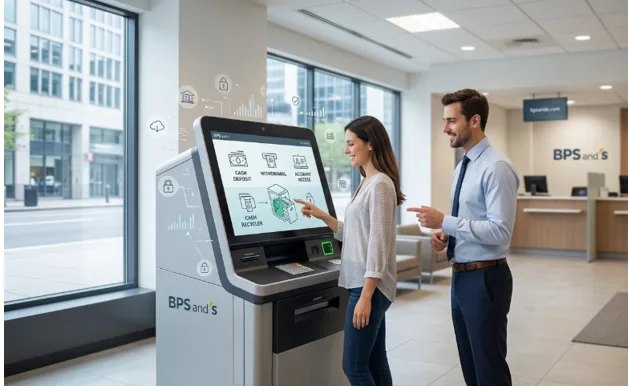
Finding the right ATM cash machine for sale involves more than comparing prices. Businesses need to consider where the machine will be installed, how frequently it will be used, what features it supports, and how it will be maintained over time. These factors can affect reliability, operating costs, customer convenience, and the overall suitability of the equipment.
A well-planned ATM purchase starts with understanding the different types of machines available and matching their capabilities to the location. For example, a retail store may have different requirements from a financial institution or a high-traffic entertainment venue.
What Is an ATM Cash Machine?
An ATM cash machine is an electronic terminal that allows customers to perform financial transactions, most commonly cash withdrawals. Depending on the equipment and network configuration, ATMs can also support functions such as balance inquiries and other account-related services.
Modern machines can include features such as EMV card readers, NFC capabilities, electronic displays, security systems, and different cash-dispensing configurations. Current ATM catalogs include models from manufacturers such as Genmega and Hyosung, with machines available in different configurations and price ranges.
When reviewing an ATM cash machine for sale, buyers should therefore look beyond the physical appearance of the equipment and examine its specifications and intended application.
Choosing the Right ATM for the Location
Location is one of the most important considerations when selecting ATM equipment. A machine installed inside a convenience store may have different requirements from one placed in a restaurant, bar, salon, or other commercial environment.
A retail ATM generally needs to be convenient for customers while fitting within the available floor or wall space. Businesses should consider visibility, customer traffic, accessibility, security, and access for maintenance.
For locations with limited floor space, wall-mounted configurations can be an alternative to traditional freestanding machines. The current market includes both standard retail units and wall-mounted options.
Key Features to Compare
Before purchasing an ATM cash machine for sale, buyers should compare the features that directly affect operation and usability.
EMV Compatibility
EMV technology is designed to support chip-based payment cards and is an important consideration when evaluating modern ATM equipment. Buyers should verify the machine’s compatibility with the processing and card technologies required for their operation.
NFC Support
Near-field communication, or NFC, can support contactless transactions where the ATM’s hardware and processing environment allow it. Some current retail ATM models are listed as NFC-ready.
Cash Capacity
Cash cassette configuration affects how much money the ATM can hold and how frequently it needs to be replenished. High-volume locations may require equipment with an appropriate cash capacity to avoid unnecessary service interruptions.
Connectivity
An ATM must communicate with the relevant processing network to authorize transactions. Connectivity options can include wired or wireless configurations depending on the machine and installation environment.
Security Features
Security should be considered at both the equipment and installation levels. Buyers should examine physical construction, locking mechanisms, software protections, encryption, and the security requirements of the applicable processing environment.
New vs. Used ATM Machines
An ATM cash machine for sale may be new or previously used. Each option can have different considerations.
New equipment typically provides access to current hardware configurations and manufacturer warranty coverage. Used equipment can sometimes have a lower initial purchase price, but buyers should examine its condition, age, service history, compatibility, and availability of replacement components.
A used machine should not be evaluated solely on its purchase price. A lower upfront cost may be less beneficial if the equipment requires frequent repairs or lacks compatibility with the intended processing environment.
Current ATM listings include both new and used equipment, demonstrating that buyers can encounter different conditions and configurations within the same general product category.
Understanding Installation Requirements
Purchasing an ATM is only one part of deploying the equipment. The installation environment also needs to be prepared.
Depending on the model and location, installation can involve:
- Selecting an appropriate position
- Providing electrical power
- Establishing network connectivity
- Securing the machine
- Configuring transaction software
- Connecting the machine to the appropriate processing network
- Testing transaction functionality
- Establishing procedures for cash replenishment and maintenance
Some ATM configurations are designed for freestanding placement, while others can be wall-mounted or installed through a wall.
Planning these requirements before the equipment arrives can help prevent installation delays.
ATM Processing and Network Connectivity
An ATM cannot operate as an independent cash dispenser. It needs appropriate processing and network connectivity to communicate with financial networks and authorize transactions.
ATM processing involves functions such as transaction routing, authorization, settlement, reporting, and security. Network registration is also necessary for the machine to communicate with the banking networks involved in transaction processing.
This means buyers evaluating an ATM cash machine for sale should also investigate how the machine will be processed and supported after installation.
Maintenance and Technical Support
Regular maintenance can help identify equipment problems before they result in extended downtime. Common service requirements can include inspecting card readers, cash dispensers, communication equipment, displays, and other components.
Technical support is also useful when an ATM develops a hardware or connectivity problem. Depending on the service arrangement, support may involve remote troubleshooting, technician visits, replacement parts, or software and configuration assistance.
Before purchasing equipment, buyers should understand what support is available, how service requests are handled, and whether replacement components can be obtained when necessary.
Questions to Ask Before Buying
A buyer comparing an ATM cash machine for sale can use a simple checklist before making a decision:
- Is the machine appropriate for the intended location?
- Is it new or used?
- What card and contactless technologies does it support?
- What is its cash capacity?
- What connectivity options are available?
- Is the equipment compatible with the intended processor?
- What installation requirements are involved?
- What warranty coverage is provided?
- How are repairs and replacement parts handled?
- What ongoing service options are available?
Answering these questions can make the purchasing process more structured and reduce the risk of choosing equipment that does not match the location’s operational requirements.
Conclusion
Choosing an ATM cash machine for sale requires consideration of more than the initial purchase price. Location, transaction volume, hardware features, cash capacity, connectivity, security, processing compatibility, installation, and ongoing maintenance all contribute to whether a particular machine is appropriate for a business. Buyers should compare equipment specifications and service arrangements carefully before making a purchase. For businesses researching available ATM equipment and related support, Best Products Sales & Service is one provider whose current ATM offerings can be reviewed as part of the broader purchasing process.