Water-Filled Weight Training: A Beginner’s Guide
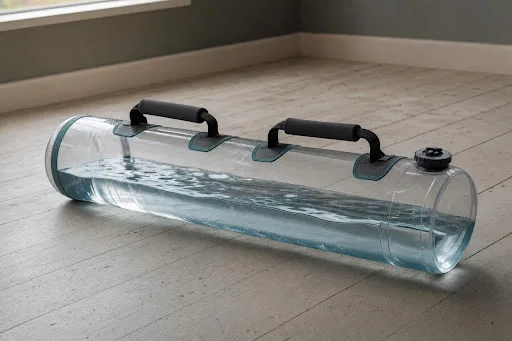
Pick up a water-filled training bag and the water moves as you lift, settles when you pause, and shifts again on the way down. Whether you’re used to dumbbells or new to strength training, that movement takes some getting used to.
Start with a manageable load, a comfortable grip, and slow, deliberate movement.
Key takeaways
- Start light. A model’s maximum capacity is a specification, not a starting point.
- Learn the movement first. Practice each pattern unloaded before adding water.
- Keep it repeatable. ACSM’s 2026 resistance-training guidance emphasizes choosing a plan you can follow consistently.
Understand the moving load
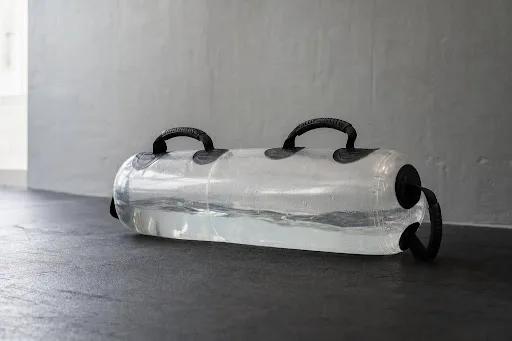
A water-filled training weight is a sealed container, usually a bag, ball, or tube, that you fill with water to add weight. If you search for water filled workout weights, check whether a product is intended for land use before comparing its features. Fluid X describes its equipment load as adjustable by adding or removing water. This lets you change the resistance without switching to another weight, a flexibility that much modern home fitness equipment also aims for, often with motors or weight plates instead of water.
The water can move inside the container. Tidal Tank describes the water inside its Sphere as moving freely, which explains the shifting you feel during a lift. Adding water makes a bag heavier, but the amount of movement also depends on its shape, fill level, and how you handle it.
Check whether it’s made for land or water. Water-filled weights include sealed land-training equipment and pool equipment. Water Weight’s pool barbell, for example, drains as it is lifted above the surface. It isn’t interchangeable with a sealed training bag. Water-filled punching bags are another category, designed for striking rather than lifting. This guide covers sealed equipment used on land.
Expect a different feel. Shifting water can make a load feel harder to control than a fixed weight. That feeling doesn’t establish better training results or make the equipment a replacement for every other weight.
Set up a manageable first session
Choose a comfortable grip. Shapes include round balls with two handles, long tubes, and kettlebell-style containers. Choose handles that let you hold the weight comfortably in the positions your exercises require. A listed capacity is the most the equipment can hold. Begin with a load you can lift slowly without straining or losing control.
Follow the filling instructions. Each model has its own valve and inflation steps, so read them before starting. Fluid X tells users to fill with cold or room-temperature water and then pump air in until the bag becomes firm. Follow your own model’s instructions rather than applying these steps to every refillable weight. Once filled, check the closure and handles before lifting.
Check the space before lifting. Dry any water spilled during filling and clear enough floor space to move without bumping furniture. Mayo Clinic’s weight-training guidance advises moving the weight in a controlled way, without hurrying, and stopping if an exercise causes pain. If you have an injury, a chronic condition, or concerns about exercising safely, seek guidance from a qualified clinician or fitness professional first.
Fluid X’s aqua bag range offers different shapes and adjustable water loading. Compare handle positions and capacity with the movements you want to practice, keeping your starting load manageable.
Practice three controlled movements
These examples adapt general movement cues to suitable bag handles; they aren’t clinically tested bag exercises. Use them to practice control. They don’t cover every major muscle group or form a complete strength-training program.
Practice the squat pattern. Begin without a bag. Sit toward the front of a stable chair with your feet flat, then stand slowly using your legs rather than pushing with your arms. This follows the NHS sit-to-stand cue from the page reviewed February 28, 2024. Lower yourself slowly back onto the chair. Once the movement feels comfortable, holding a lightly filled bag close to your chest may be a later option if you can maintain a secure grip and control. The NHS example is unloaded; adding a bag is an adaptation.
Try a light curl. Choose a bag whose handles allow you to lift without wrist strain. Adapt Mayo Clinic’s barbell-curl cues by keeping your elbows close to your body and avoiding back arching or swinging. Raise the bag slowly, pause, and lower it with control.
Learn a controlled row. Mayo Clinic’s dumbbell-row instructions describe bending the knees and leaning forward at the hips while keeping the spine straight. If that position is unfamiliar, learn it with a fitness professional before adding a shifting load. With suitable bag handles and a manageable weight, pull toward your lower ribs, then lower the bag slowly without jerking.
For each movement, try a few easy repetitions, rest until you feel ready, and breathe normally. End the set before you lose control, and stop the exercise if it causes pain.
Leave swings, throws, slams, overhead lifts, loaded twisting, and unstable standing surfaces out of your first sessions. Practice controlling the bag through these simpler movements before adding difficulty.
Conclusion
Water-filled training can be a practical way to learn basic resistance movements when you keep the load modest and the pace controlled. Check the equipment, use a clear space, and build familiarity before making the session harder.
FAQs
Do I need a swimming pool?
No. This guide covers sealed land-training equipment. Pool weights are a separate category with different designs and uses.
How heavy should I start?
There is no universal starting weight. Use a fill that lets you complete slow, controlled repetitions with good form. If you need to swing the bag or strain to hold it, reduce the load.
Can I practice every day?
Daily sessions aren’t necessary. CDC’s general adult activity guidance includes muscle-strengthening activity on two days each week. Mayo Clinic recommends a full recovery day between sessions that exercise the same muscle group. These are general guidelines, not a prescribed schedule for the three practice movements above.
How should I store the equipment?
Follow your model’s care instructions. Ultimateinstability’s manual, for example, specifies cool, dry storage away from direct sunlight. Check your own manual for draining, drying, and storage instructions.