The Rise of Peptide-Infused Skincare Products
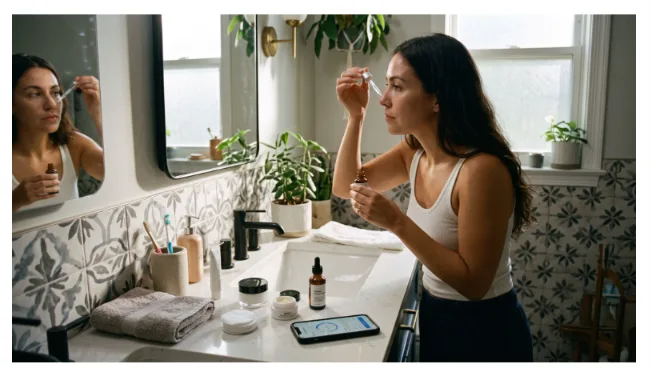
Skincare trends shift quickly, often driven by a single ingredient gaining attention. Hyaluronic acid was one recent example. However, new compounds regularly make their way into serums, moisturizers, and eye creams. Many of these ingredients, once discussed mainly in scientific research, are now marketed directly to consumers on product labels.
So, what makes peptides interesting enough to earn precious space in an already crowded skincare routine? Their connection to proteins found naturally in the skin has made them particularly appealing to brands and shoppers interested in healthy-looking skin, which is why so many people are reaching for their peptide trackers.
What Are Peptides?
Peptides are short chains of amino acids, which are often described as the building blocks of proteins. Proteins such as collagen and elastin play important roles in the skin’s structure and appearance.
However, “peptide” isn’t the name of one magical ingredient. There are numerous types, and they can behave differently, depending on their structure and formulation. That’s why spotting the word on a bottle doesn’t automatically tell you everything about what the product is designed to accomplish.
From the Lab to the Bathroom Cabinet
Peptides haven’t remained tucked away in research settings. Growing interest has brought them into conversations about beauty, wellness, and personal care, helping turn previously unfamiliar terminology into something consumers regularly encounter.
That broader curiosity has even encouraged people to seek out resources to organize and understand information about different peptides. In skincare, meanwhile, cosmetic brands have focused on developing topical formulations that make peptides easy to incorporate into familiar routines.
Why Peptide Skincare Has Suddenly Become So Popular
Part of the appeal comes down to changing attitudes toward skincare. Many shoppers aren’t waiting for visible concerns to become dramatic before building thoughtful routines. They’re looking for products that support healthy-looking skin over time.
Social media has accelerated that interest, too. Ingredient-focused videos, dermatologist content, and “shelfie” culture have turned once-obscure skincare vocabulary into everyday conversation. Peptides fit perfectly into this new ingredient-savvy beauty landscape.
What Can Peptide-Infused Skincare Actually Do?
Peptide products are commonly formulated to support goals such as smoother-looking, firmer, or more hydrated skin. Their actual effects, however, depend on the specific peptides used, their concentration, and the rest of the formula.
In other words, peptides aren’t bottled magic. They’re one potentially useful component of a broader routine that can also include moisturizing, gentle cleansing, and daily sun protection. Consistency still matters more than chasing whichever ingredient happens to be trending this week.
Not All Peptides Are Created Equal
Seeing “peptides” printed across a product label can sound impressive, but the term covers a surprisingly broad category. Different peptides may be included in formulas for different reasons, so it’s worth looking beyond the biggest words on the packaging.
For example, signal peptides are commonly found in products designed to support a smoother, firmer-looking complexion. Copper peptides are another popular option and frequently appear in formulas marketed toward mature-looking skin. Ultimately, the complete ingredient list and formulation matter more than one trendy ingredient.
Serums, Creams, and More: Where Peptides Are Showing Up
You don’t have to search very hard to find peptides in the beauty aisle anymore. They’re popping up in serums, moisturizers, eye creams, masks, and other leave-on treatments.
That variety makes them relatively simple to introduce without completely rebuilding your routine. A peptide moisturizer, for instance, could replace your usual cream rather than adding another elaborate step. When comparing products, consider your skin type, other ingredients in the formula, and what you actually want the product to accomplish.
How To Add Peptides to Your Skincare Routine
Peptides don’t necessarily require a complicated routine. Start with cleansing before applying your treatments according to their directions, then follow with moisturizer. During the daytime, finish with sunscreen.
If you’re trying a new peptide product, introduce it gradually rather than changing five things simultaneously. Patch testing can also be worthwhile, particularly if your skin tends to be sensitive. And remember: more product doesn’t necessarily mean faster or better results.
Are Peptides the Future of Skincare?
Peptides have already traveled an impressive distance from research terminology to mainstream beauty shelves. As cosmetic science advances, brands may continue to experiment with different peptide combinations, delivery systems, and formulas tailored to increasingly specific skincare goals.
Still, even an exciting ingredient doesn’t eliminate the fundamentals. Gentle cleansing, moisturizing, sun protection, and consistency remain important pieces of a sensible routine.
More Than Just Another Beauty Buzzword
Beauty trends move quickly, but peptides have qualities that could give them more staying power than the average viral ingredient. They’re versatile, available across numerous product categories, and increasingly familiar to ingredient-conscious shoppers.
That doesn’t mean every bathroom cabinet suddenly needs a peptide serum. The best skincare routine is still one that suits your skin and that you’ll consistently follow. Peptides may not replace every tried-and-true favorite, but they’re certainly making a convincing case for a permanent spot on the shelf.