Moving to a New Home in Canada? Smart Planning Tips for a Stress-Free Relocation
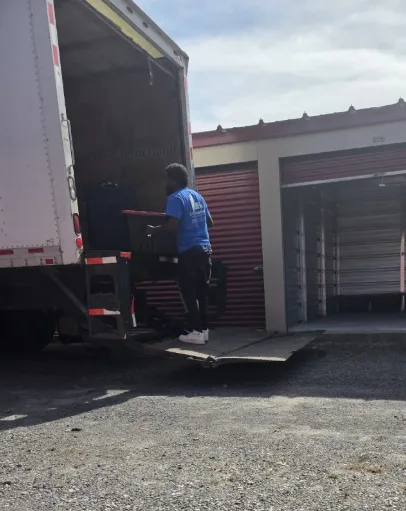
| Moving into a new home is an exciting milestone, but getting everything from one location to another can quickly become overwhelming. Between packing household belongings, organizing transportation, and adjusting to a new neighbourhood, even a short-distance move requires careful preparation.
Whether you are relocating within the same city or planning a move across Canada, having a clear strategy can save time, reduce unnecessary expenses, and make your transition much smoother. Here are some practical moving tips to help you stay organized and enjoy a more manageable relocation experience. 1. Start Planning Your Move EarlyOne of the most common moving mistakes is leaving important tasks until the last minute. Packing, arranging transportation, updating addresses, and organizing essential documents all take time. Ideally, start preparing several weeks before your moving date. Create a checklist that includes sorting belongings, purchasing packing materials, contacting utility providers, and confirming access to your new property. If you need professional assistance, researching reliable moving services in Canada early in the process can help you understand your options and coordinate transportation around your preferred schedule. Planning ahead also gives you more flexibility when unexpected challenges arise. 2. Declutter Before PackingMoving offers an excellent opportunity to review your belongings and decide what you actually need in your new home. Before putting everything into boxes, go through each room and separate your possessions into categories: keep, donate, sell, and recycle. Clothing you no longer wear, unused furniture, old electronics, and unnecessary household items can add considerable weight and volume to your move. Reducing the number of items you transport can make packing easier and may lower moving expenses. You can also donate usable household goods to local charities or community organizations. 3. Choose the Right Moving ProfessionalsHiring a suitable moving company can make a significant difference in your overall relocation experience. Before booking, consider the company’s experience, available services, pricing structure, customer feedback, and approach to handling fragile belongings. A professional moving team should clearly explain its services and provide a written estimate outlining the expected costs. For homeowners and renters comparing relocation options, exploring professional moving solutions can be a useful starting point when planning the transportation of furniture, appliances, and household possessions. It is also important to ask whether packing materials, furniture disassembly, transportation charges, and additional labour are included in the quoted price. Comparing multiple estimates can help you make an informed decision without focusing exclusively on the lowest advertised rate. 4. Pack Your Belongings StrategicallyPacking efficiently helps protect your possessions while making the unpacking process much easier. Begin with seasonal clothing, decorative items, books, and other belongings you do not use every day. Use sturdy boxes and avoid overloading large containers with heavy objects. Wrap fragile kitchenware, glass items, and electronics using appropriate protective materials. Label every box with its contents and destination room. For example, marking a box “Kitchen – Fragile Glassware” helps everyone involved understand where it belongs and how it should be handled. Keep medications, identification documents, chargers, basic toiletries, and a change of clothes in a separate essentials bag. 5. Understand the Challenges of Long-Distance MovingRelocating to another province or a distant Canadian city requires additional coordination. Long-distance moves may involve extended transportation periods, different delivery schedules, temporary storage, and more detailed inventory planning. Before confirming a booking, discuss pickup and delivery windows, potential additional charges, and how your belongings will be protected during transportation. People considering an intercity or interprovincial relocation can explore moving companies in Canada to learn about moving services and find helpful relocation resources. Understanding the process beforehand makes it easier to prepare for the practical demands of a longer journey. 6. Prepare Your New Home Before Moving DayA successful move involves more than packing your existing home. Whenever possible, visit your new property before the scheduled moving date to check access points, room dimensions, stairways, and available parking. If you are moving into an apartment or condominium, contact building management to confirm any elevator reservations, designated moving hours, or loading restrictions. Arrange utility connections and internet services in advance to minimize disruptions after your arrival. Cleaning the property before your furniture arrives can also make settling in significantly more convenient. 7. Stay Organized on Moving DayMoving day can become hectic, especially when multiple people are involved. Keep your inventory checklist accessible and make sure important documents and personal valuables remain with you. Confirm the moving schedule, parking arrangements, and destination details with everyone involved. Before leaving your previous residence, inspect closets, cabinets, storage spaces, and outdoor areas to ensure nothing has been overlooked. Once everything reaches your new home, prioritize assembling essential furniture and unpacking the items you need immediately. There is no need to organize every room on the first day. Working through the unpacking process gradually can make the transition less exhausting. Final ThoughtsMoving to a new home does not have to be an unnecessarily stressful experience. With early preparation, organized packing, realistic budgeting, and suitable professional support, the relocation process can become much more manageable. Whether your next move takes you across town or across the country, thoughtful planning helps protect your belongings, avoid preventable delays, and make the first few days in your new home more comfortable. Focus on preparation, choose your moving support carefully, and give yourself enough time to settle into your new surroundings. |