GlacierFresh 3-Stage RV Water Filter System for Campers
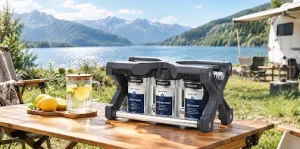
Traveling in a recreational vehicle (RV) allows you to explore beautiful destinations, enjoy outdoor adventures, and experience the freedom of life on the road. However, having access to clean, fresh-tasting water is essential for a comfortable camping experience. Whether you are staying at a campground, visiting a national park, or traveling to remote locations, water quality can vary depending on the source. The GlacierFresh 3-Stage RV Water Filter System is an option for campers looking to improve their water quality and enjoy greater convenience during their journeys.
Why Campers Need a Reliable RV Water Filter
Water is an essential part of every camping trip. RV owners use water for drinking, cooking, washing dishes, brushing their teeth, and taking showers. However, connecting to different campground water supplies can expose travelers to variations in taste, odor, and sediment levels.
A reliable rv water filter can help reduce certain unwanted substances before water reaches your RV’s faucets. Depending on its filtration technology, it may help reduce sediment, chlorine taste, and unpleasant odors. This can make water more enjoyable for everyday activities.
Using an appropriate filter can also provide greater convenience for campers who frequently move between campsites. Instead of dealing with noticeable changes in water taste, travelers can use a filtration solution suited to their needs. However, standard filters should not be assumed to remove every contaminant or make unsafe water safe to drink.
Understanding the GlacierFresh 3-Stage RV Water Filter System
A three-stage filtration system uses multiple filtration steps to address different water-quality concerns. Each stage has a particular purpose, depending on the filter media and design selected by the manufacturer.
Stage One: Sediment Filtration
The first stage commonly focuses on reducing suspended particles, including dirt, sand, and rust. These particles can enter water supplies through pipes, storage tanks, or other parts of the distribution system.
Sediment filtration helps improve water clarity and reduces the amount of visible debris passing through the system. It may also help protect subsequent filter stages from becoming clogged too quickly.
Stage Two: Activated Carbon Filtration
The second stage may use activated carbon to reduce chlorine taste and odor. Chlorine is commonly used to disinfect municipal water supplies, but some people find its taste or smell unpleasant.
Carbon filtration can make water more pleasant for drinking, cooking, and preparing coffee or tea. The actual results depend on the carbon media, contact time, water conditions, and product specifications.
Stage Three: Additional Filtration
The third stage provides another level of filtration according to the manufacturer’s design. Depending on the specific filter media, it may help reduce additional targeted substances or improve overall water quality.
Before purchasing the GlacierFresh system, review its official product specifications to confirm the filtration capabilities of each stage. Not all three-stage systems remove the same contaminants, and independent certifications can help verify specific performance claims.
Benefits of an RV Water Filtration System for Campers
Installing a suitable rv water filtration system can make camping more convenient in several ways.
Better-Tasting Water
One of the main advantages of filtration is improved taste and odor. Reducing chlorine and certain other substances can make drinking water more enjoyable. Better-tasting water can also improve the flavor of meals, beverages, and freshly brewed coffee during your trip.
Convenience During Road Trips
Campers frequently connect their RVs to different water supplies. A compatible filtration system can provide a consistent treatment step whenever you use an appropriate water source. This can simplify everyday routines and reduce the need to purchase bottled water solely because of unpleasant taste.
Support for RV Plumbing Maintenance
Sediment filtration may reduce the amount of dirt and rust particles entering your RV’s plumbing system. This can help keep certain components cleaner, although it does not eliminate mineral buildup or prevent every plumbing issue.
Reduced Plastic Waste
Having convenient access to filtered water can encourage travelers to refill reusable bottles instead of buying single-use plastic bottles. This approach can reduce waste while making it easier to stay hydrated during outdoor adventures.
How to Choose the Right Filtration System
Before selecting the GlacierFresh three-stage model, consider your RV’s plumbing setup, water consumption, and travel habits.
Check the system’s flow rate to ensure it can support your daily water needs. Review connection sizes, pressure requirements, installation instructions, and replacement cartridge availability. These details are especially important for campers who frequently connect and disconnect their water supply.
You should also examine the manufacturer’s documented contaminant-reduction claims. If you need protection against a particular chemical or microorganism, choose a treatment system specifically tested and certified for that purpose. Standard sediment and carbon filtration should not automatically be considered protection against bacteria, viruses, or parasites.
Maintaining Your GlacierFresh Water Filter
Regular maintenance helps keep filtration equipment working effectively. Follow the manufacturer’s instructions for replacing cartridges, cleaning components, and storing the system between trips.
Inspect hoses, fittings, and seals for leaks or damage before connecting the filter. Use drinking-water-safe hoses and compatible fittings to help maintain a clean water supply.
If you store your RV during the winter or leave it unused for an extended period, follow the manufacturer’s storage and winterization recommendations. Replace cartridges when required, and sanitize your RV’s freshwater tank and plumbing according to the vehicle manufacturer’s guidance.
Remember that filtration equipment cannot guarantee safe drinking water from every source. Follow local water advisories and use an appropriate treatment method when contamination is suspected.
Conclusion
The GlacierFresh 3-Stage RV Water Filter System is worth considering for campers who want a convenient way to improve water quality while traveling. A properly selected three-stage filter may help reduce sediment, chlorine taste, and other targeted substances, depending on its verified specifications.
Choosing the right rv water filter and maintaining it according to the manufacturer’s instructions can make everyday camping activities more comfortable. Similarly, a suitable rv water filtration system can support better-tasting water and reduce reliance on bottled water.
Before making a purchase, confirm the product’s filtration capabilities, compatibility, and maintenance requirements. With the right equipment and responsible water-safety practices, you can enjoy greater convenience and focus on exploring new destinations on every RV adventure.