Discovering Organic Baby Formula Options for Your Little One
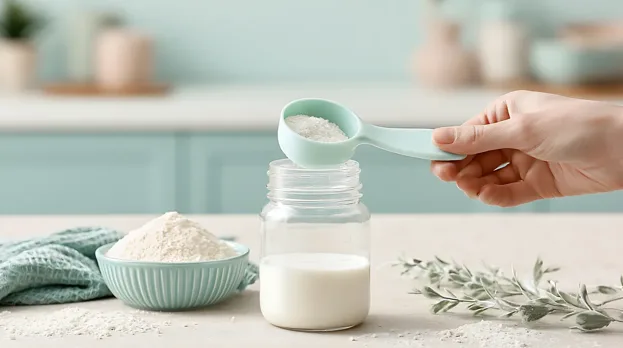
Choosing the right nutrition for your baby is an important decision for every parent. During the early stages of life, babies need appropriate nutrition to support their growth and development. While breastfeeding is recommended when possible, infant formula can provide an alternative or supplement when needed. For parents exploring different feeding options, organic baby formula offers a choice made with ingredients produced according to organic farming standards. Understanding the available products, ingredients, age ranges, and preparation requirements can help parents make informed decisions about their little one’s feeding routine.
What Is Organic Baby Formula?
Organic baby formula is infant formula made with ingredients that meet applicable organic production and certification requirements. Depending on the product, these ingredients may include organic milk, lactose, vegetable oils, vitamins, and minerals.
Organic certification generally focuses on how agricultural ingredients are produced and processed. However, it does not automatically mean that a formula is more nutritious, safer for every baby, or better tolerated than a conventional formula. Both organic baby milk formula and conventional infant formulas must meet the relevant nutritional and safety requirements in the markets where they are sold.
Parents considering organic options should look beyond the word “organic” and review the product’s complete ingredient list, nutritional information, age suitability, and preparation instructions.
Why Parents Consider Organic Baby Formula
Families choose organic products for different reasons, including preferences about farming practices, ingredient sourcing, and the types of products they bring into their homes.
Here are several factors that may influence their decision.
1. Organic Ingredient Standards
Organic formulas use ingredients that comply with applicable organic standards. Depending on the country and certification system, these standards may cover farming practices, permitted substances, processing, and product labeling.
Parents interested in organic sourcing can check the certification information displayed on the packaging and confirm that the product meets the requirements of their local market.
2. Ingredient Transparency
Understanding what goes into an infant formula is important regardless of whether it is organic.
Parents should review the listed milk source, carbohydrate ingredients, fats, vitamins, minerals, and any additional components. Clear product information makes it easier to compare different options and discuss them with a pediatrician when necessary.
3. Different Product Choices
Organic baby formula is available in different formulations designed for specific age ranges and nutritional needs.
Some products are made with cow’s milk, while specialized alternatives may be designed for babies who require particular nutritional support. These products are not interchangeable, so the formula should match the baby’s age and individual needs.
4. Family Feeding Preferences
Some families prefer organic products because they align with their broader food-purchasing preferences. Others prioritize availability, affordability, preparation convenience, or a formula that their baby tolerates well.
The best choice should be based on the baby’s nutritional requirements and the family’s circumstances rather than marketing claims alone.
Understanding the Different Types of Organic Baby Formula
Before choosing an organic baby formula parents should understand the main product categories and how they differ.
1. Organic Cow’s Milk Formula
Organic cow’s milk formula is made using milk ingredients sourced according to organic standards. Standard infant formulas are formulated to provide the nutrients babies need during their intended feeding stage.
These products may be an option for babies who can use standard cow’s milk-based infant formula.
Parents should remember that organic cow’s milk formula is not suitable for every baby. For example, a baby with a diagnosed cow’s milk protein allergy may require a specialized formula recommended by a healthcare professional.
2. Organic Infant Formula for Newborns
Some organic formulas are specifically labeled for use from birth, subject to the applicable country’s regulations and product instructions.
When choosing a formula for a newborn, parents should confirm that it is intended for the baby’s age and is nutritionally appropriate for infant feeding.
Newborns have specific nutritional requirements, so products intended for older babies or toddlers should not be used as substitutes for an appropriate infant formula.
3. Follow-On Formula
Follow-on formulas are generally intended for older infants, with the permitted age range depending on the country and product labeling.
They are not designed to replace breast milk or an appropriate infant formula during the early months of life. Parents should follow local feeding guidance and the specific age instructions on the packaging.
4. Organic Toddler Milk
Organic toddler milk products are marketed for older children and differ from infant formulas in their intended use and nutritional composition.
They are not a substitute for infant formula when a baby needs it. Many toddlers who eat a varied, balanced diet do not need a specialized toddler milk product unless a healthcare professional recommends one.
Important: Always check the product’s age range and intended use before purchasing. A formula suitable for one developmental stage may not be appropriate for another.
Exploring Popular Organic Baby Formula Brands
Several brands offer organic formula products, giving parents different options to research. Product availability, formulations, certifications, and age ranges can vary by country.
Holle Organic Baby Formula
Holle is a well-known brand associated with organic infant nutrition. Its product range includes different formula stages, and some products are made using organic cow’s milk or other specified milk sources.
When considering Holle, parents should review the exact product name, intended age range, ingredients, and preparation directions. Different stages within the same brand may have different formulations.
Lebenswert Bio Formula
Lebenswert Bio is another brand that offers organic infant formula products. Parents researching this brand can compare its available formulations, ingredient lists, organic certification information, and feeding-stage instructions.
As with any formula, the exact product matters more than the brand name alone. Parents should ensure that the selected product is appropriate for their baby’s age and nutritional requirements.
How to Compare Brands
Rather than selecting a product based only on popularity, parents can compare the following details:
- Intended age range.
- Milk and carbohydrate sources.
- Nutritional composition.
- Organic certification.
- Preparation instructions.
- Product availability and cost.
- Storage requirements.
- Suitability for the baby’s individual needs.
A pediatrician can help parents evaluate the options when a baby has feeding difficulties, suspected allergies, growth concerns, or other medical considerations.
What Ingredients Should Parents Look For?
Reading the ingredient list is an important part of choosing an appropriate organic baby formula. Although exact ingredients vary by product, several categories are commonly included.
Milk Proteins
Many standard infant formulas contain cow’s milk proteins that have been adjusted during manufacturing to create a formula suitable for infant feeding.
Parents should not assume that organic milk proteins are suitable for babies with a cow’s milk protein allergy. Organic sourcing does not remove the milk proteins responsible for that allergy.
Carbohydrates
Lactose is a common carbohydrate in standard infant formulas. Some formulas use different carbohydrate combinations depending on their formulation and intended use.
Parents should compare the complete ingredient list rather than assuming that every organic product has the same carbohydrate source.
Fats and Essential Fatty Acids
Infant formulas contain fats to provide energy and essential fatty acids. The fat blend can vary between products according to the manufacturer’s formulation and applicable nutritional standards.
Vitamins and Minerals
Appropriate infant formulas contain essential vitamins and minerals, including nutrients needed for normal growth and development.
The nutritional composition should be evaluated as a whole. No single ingredient determines whether a formula is the right choice for an individual baby.
Additional Ingredients
Some formulas include additional ingredients, such as prebiotics or specific fatty acids. Their presence and quantities vary across products.
Parents should discuss questions about specialized ingredients with a healthcare professional, particularly if their baby has a medical condition or a history of feeding intolerance.
Organic Formula Options for Different Feeding Needs
Not every baby has the same feeding requirements. Parents should distinguish between standard formula options and specialized products designed for specific medical circumstances.
| Feeding consideration | What parents should know |
| Standard infant feeding | Choose a nutritionally complete formula suitable for the baby’s age. |
| Preference for organic ingredients | Review the certification and ingredient information on the exact product. |
| Suspected milk allergy | Consult a healthcare professional about an appropriate specialized formula. |
| Premature birth | Follow the baby’s clinical feeding plan and medical team’s recommendations. |
| Persistent digestive symptoms | Seek professional guidance instead of repeatedly changing formulas without advice. |
| Older infant or toddler | Check the product’s intended age range and local feeding recommendations. |
This comparison can help parents identify which questions to ask before choosing a product. A specialized formula should be selected according to the baby’s needs, not simply because it carries an organic label.
How to Choose the Right Organic Baby Formula
Selecting a formula can feel overwhelming when several brands and formulations are available. A simple comparison process can make the decision easier.
Step 1: Confirm Your Baby’s Age
Start by checking the age range specified on the product. Newborns and older infants have different feeding requirements, so the selected formula must be intended for the appropriate stage.
Step 2: Review the Ingredients
Compare the milk source, carbohydrate ingredients, fat blend, vitamins, and minerals. If you have questions about a specific ingredient, ask your pediatrician rather than relying solely on product descriptions.
Step 3: Check Organic Certification
Look for the relevant certification or regulatory information on the packaging. Verify that the product is suitable for sale in your country and comes from a reliable source.
Step 4: Consider Your Baby’s Individual Needs
If your baby has a diagnosed allergy, a medical condition, persistent feeding difficulties, or special nutritional requirements, consult a healthcare professional before choosing or changing formula.
Step 5: Compare Price and Availability
Formula is a recurring expense, so consider whether the product is consistently available and affordable for your household. If importing a product, check the packaging, expiration date, seller reliability, and any applicable storage or shipping requirements.
Step 6: Follow the Manufacturer’s Instructions
Prepare the formula exactly as directed. Use the specified water-to-powder ratio and avoid adding extra powder or water. Incorrect preparation can affect the formula’s nutritional concentration and safety.
Safe Preparation and Storage of Organic Baby Formula
Choosing an appropriate product is only one part of infant feeding. Safe preparation and storage are equally important.
Follow these essential practices:
- Wash your hands: Clean your hands before preparing a feed.
- Use clean equipment: Make sure bottles, nipples, and other feeding equipment are appropriately cleaned and sterilized according to current guidance.
- Follow preparation directions: Use the exact amount of water and formula powder specified on the packaging.
- Observe water guidance: Follow local public health recommendations for preparing powdered infant formula, especially for newborns and babies at increased risk of infection.
- Avoid microwaving bottles: Microwaves can heat formula unevenly and create hot spots that may burn a baby’s mouth.
- Use prepared formula promptly: Follow the manufacturer’s instructions and current public health guidance for feeding, refrigeration, and disposal.
- Discard leftovers appropriately: Do not save formula remaining in a bottle after a feed for later use.
Powdered infant formula is not sterile and can occasionally contain harmful microorganisms. Extra care with preparation is particularly important for newborns, premature babies, and infants with weakened immune systems. Ready-to-feed liquid formula, when available and appropriate, may be recommended in certain higher-risk situations.
Common Mistakes to Avoid When Buying Organic Baby Formula
Parents can make better purchasing decisions by looking beyond attractive packaging and promotional claims.
Assuming organic always means better: Organic certification relates to production standards. It does not automatically establish superior nutrition or suitability for every baby.
Choosing by brand popularity alone: A popular product may not be appropriate for a baby’s age or individual needs.
Confusing infant formula with toddler milk: Products designed for toddlers should not replace infant formula when an infant requires it.
Ignoring product authenticity: Buy from a reliable retailer and inspect the packaging, seal, expiration date, and product labeling.
Changing formula too frequently: Frequent changes may make it difficult to understand feeding symptoms. Discuss persistent concerns with a healthcare professional.
Preparing formula incorrectly: Adding extra water or powder can be dangerous. Always follow the instructions on the product.
Avoiding these mistakes helps parents focus on nutrition, product suitability, and safe feeding practices.
Finding Organic Baby Formula for Your Family
Parents researching organic infant nutrition may want to compare several products before deciding. A specialist retailer can make that process more convenient by offering access to different brands and related baby-food products in one place.
For example, a family-run organic baby product store based in Los Angeles may offer Holle and Lebenswert formula alongside organic cereals, fruit pouches, snacks, and teas. Exploring a range of products can help parents review available choices, although every item should be assessed according to the child’s age and intended use.
When purchasing online, consider the following points:
- Confirm the retailer’s reputation and product sourcing.
- Review the exact formula stage and ingredient information.
- Check expiration dates and packaging condition.
- Understand shipping times and storage requirements.
- Review return policies for products that may have special handling requirements.
- Consult a healthcare professional if you are unsure which formula is suitable.
A reliable purchasing process can help families find appropriate products while reducing the risk of buying unsuitable or improperly stored formula.
Conclusion
Discovering the right organic baby formula involves more than choosing a brand or looking for an organic label. Parents should consider their baby’s age, nutritional requirements, ingredient preferences, product certification, affordability, and safe preparation practices.
Options from brands such as Holle and Lebenswert Bio may be worth exploring for families interested in organic infant nutrition. However, organic formulas are not automatically better for every baby, and specialized feeding needs should be discussed with a healthcare professional.
By comparing products carefully, checking reliable sourcing, and following appropriate feeding guidance, parents can make informed decisions about organic baby milk formula and choose an option that fits their little one’s needs.