How Does Event Lighting in Melbourne Affect Venue Mood?
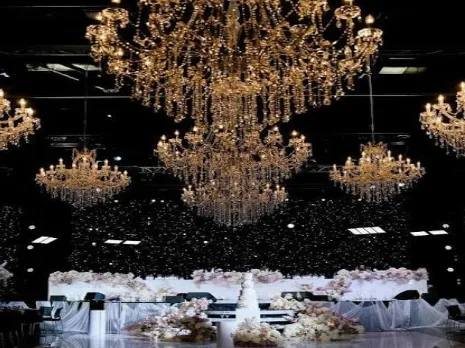
The very first thing that draws attention whenever you attend a function is lighting. This is because lighting plays a big part in creating the atmosphere even before you start. Being in a city like Melbourne, which is architecturally designed, lighting has become a critical component of the atmosphere. Whether you’re planning a wedding, gala, or corporate launch, understanding how event lighting Melbourne professionals use colour, placement, and fixtures will help you create the mood you want.
Why Lighting Shapes Atmosphere
Humans react naturally to lighting. There are various lights that mean different things; hence, the same room can be converted into a fun zone of parties or a professional meeting chamber depending on the type of lights used in the room. This is why lighting should always be thought of right from the start of the planning process. Lighting cannot just be taken last minute. Lighting affects the way humans communicate, how long they stay in the place, how good the food appears, and how one looks in the photos.
Lastly, lighting will also help cover some of the flaws in the room.
Warm vs Cool: Choosing the Right Colour Temperature
Colour temperature is the most straightforward means of influencing mood.
- Warm white : Warm, golden light. Perfect for wedding receptions, dinner parties, or intimate get-togethers.
- Neutral white : Balanced lighting. Great for product launches and corporate events.
- Cool white: Bright, invigorating lighting. Can seem stark when used for social gatherings.
The application of color washes is far more interesting than that of white ones only. You may apply blue washes to create the mood for evening cocktails; purple washes will help the whole atmosphere become lively at evening celebrations. Pink or amber washes can be used to create a romantic atmosphere for your wedding ceremony. Color washes can also be used to mark your corporate events. Remember that the use of saturation should be minimal in such instances as your pictures will appear too bright for your eyes.
Layering Light for Depth
Professional lighting experts seldom use just one source of light. They layer lights to add dimensions and appeal:
- The ambient light will serve as the primary light source.
- The accent light focuses on key elements such as flower arrangements, stage settings, and architectural aspects.
- The task light serves as the light source for functional spaces such as the buffet station, bar area, and registration desk.
The decorative light creates an atmosphere using light fixtures such as lanterns, festoons, and chandeliers.
The Power of Statement Fixtures
These fixtures are used not only to illuminate the surroundings but also act as sculptures that draw people’s attention and give them the sense of extravagance. As the crystal chandelier located at the center of the dance floor is capable of creating the illusion of movement because of the reflected light from the crystal droplets, the matte black fixture is capable of giving an appearance of contemporaneity.
For those people who would like to have such an ambience during their weddings, getting chandeliers in Melbourne will prove to be very useful since this way they will be able to have grand chandeliers without paying too much money.
Matching Lighting to the Venue
The Melbourne venues are extremely diverse, ranging from historic halls to converted industrial warehouses, rooftop gardens to private garden estates. Each requires a unique treatment.
- Heritage venues: Emphasize intricate ceilings and historic features using warm up lighting and classic fixtures.
- Industrial venues: Create softness for harsh surfaces using warm lighting, fabrics, and hanging elements.
- Outdoor venues: Create a romantic atmosphere in fading natural light using festoon lights, lanterns, and appropriate outdoor lighting fixtures.
- Modern gallery or ballroom venues: Avoid an impersonal effect using crisp lines, careful color washing, and bold statement pieces.
Always take into account the natural light of the space during the day of your function. Lighting can change immensely depending on the time of day.
Lighting and Event Styling Work Together
But then, lighting is not always used alone. There is also the role of fabrics, flowers, candles, furniture, etc. with respect to light, implying that there is a need for choosing one’s style and lighting together. In most cases, hostesses tend to choose their lighting options alongside the event styling rental that will enable them to match their colours, materials, and light fixtures. The reflections of light can be created through use of goldware, glassware, mirrors, etc.
Practical Tips Before You Book
- Choose a mood first. Determine your desired mood romantic, energetic, elegant, or relaxed and design around that.
- Evaluate your electrical needs. Determine what outlets you have, the maximum weight the ceiling can bear, and any other restrictions at the venue.
- Use dimmers. Dimming allows you to adapt to varying lighting needs throughout the evening.
- Consider photography. Bright, direct light produces unattractive shadows, while soft light photos well.
- Designate safety. All cables must be tested and secured, and kept out of the way.
- Reserve early. Popular fixtures are quick to rent out during high season.
Conclusion
It is no exaggeration to say that lighting plays a silent role in the creation of every event. With the right colour temperatures, layered light sources, and statement lighting, even the dullest space can become a beautiful setting for any occasion. Chandeliers To Die For can help create an elegant atmosphere with lighting that complements the venue and event style. Careful planning, thoughtful design, and professional event lighting can bring your vision to life and create the perfect mood for your special event.
Frequently Asked Questions
1. How does lighting change the mood of an event?
The use of light can have a direct impact on your emotions. The warm lighting creates an intimate and cozy feeling, while the cold lighting results in a more energetic and formal ambiance.
2. What type of event lighting works best for weddings?
Warm white is always preferred as it makes one look good. The most common thing is to include chandeliers, festoon lights, or even candlelight.
3. How far ahead should I plan my lighting?
At least three to six months ahead of the function plus preferably before peaks, so that there is adequate time for inspection of the venue, power checks and design alterations.
4. Can lighting make a small venue feel bigger?
Yes, lighting the walls from above, creating objects that draw the eye upwards, and avoiding the use of stark or flat lighting, among others, can help achieve this effect.
5. Do I need professional installation for decorative lighting?
As for hanging or electrical fixtures, of course. These ensure that there is safe rigging and proper weight capacity, and neat wiring.