Composite Doors Explained: What Makes Them a Durable Choice for UK Homes
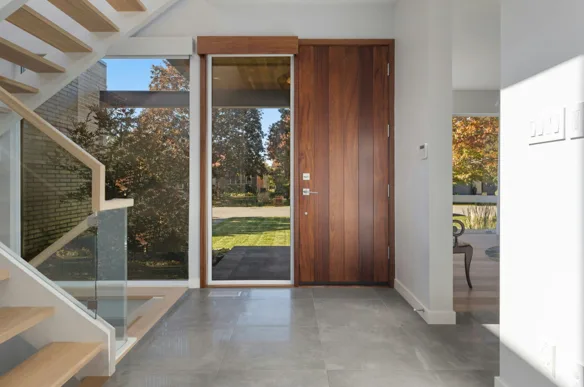
Composite doors are built from a mix of materials such as timber, foam, and glass reinforced plastic, combining the strengths of each rather than relying on a single material throughout. Direct Doors supplies composite door ranges designed to withstand the UK climate while offering the look of a traditional timber front door. Knowing what composite doors are made from, how they perform against weather and daily wear, and how they compare to other materials helps homeowners choose an entrance door built to last.
What a Composite Door Is Actually Made From
A composite door typically has a solid timber core surrounded by an insulating foam layer, with a glass-reinforced plastic skin bonded to the outer surface for weather resistance. This layered construction is what separates a composite door from a purely uPVC or purely timber alternative, since each material contributes a different strength to the finished product. The timber core provides rigidity and a solid feel when the door is closed, while the outer skin resists moisture and colour fading far better than painted timber alone.
How Composite Doors Perform Against UK Weather
Scotland and the wider UK see frequent rain, wind-driven moisture, and temperature swings across the year, all of which can cause a poorly built door to warp, swell, or fade over time. A composite door is specifically engineered to resist these conditions, since the plastic outer skin does not absorb water the way timber does and will not warp in the way a solid wood door can under sustained damp. This makes composite doors a practical choice for exposed entrances that face prevailing wind and rain directly.
Thermal and Security Performance
The foam core inside a composite door provides meaningful insulation, helping to reduce heat loss through the front entrance compared to older timber or thin uPVC doors. Most composite doors are also fitted with multi-point locking systems as standard, which distribute the locking mechanism across several points along the door edge rather than relying on a single latch. Together, these features make composite doors a strong option where both energy efficiency and home security are genuine priorities for the household.
Composite Doors Compared to Timber and uPVC Alternatives
Solid timber doors offer a classic appearance but require regular repainting or staining to prevent moisture damage over time, which adds an ongoing maintenance cost most composite doors avoid entirely. uPVC doors are generally the most affordable option but can look less premium and may flex slightly in their frame over years of use. Composite doors sit between these two options, offering much of the low maintenance benefit of uPVC alongside a finish and feel closer to genuine timber.
Style and Colour Options Available
Composite doors are manufactured in a wide range of colours and woodgrain finishes, meaning homeowners are rarely limited to a small handful of standard options when choosing a front door. Decorative glass panels, letterbox positions, and hardware finishes can typically be specified to match the overall style of a property, whether that is a period home or a modern new build. This flexibility allows a composite door to suit the existing character of a house rather than looking like an obvious retrofit.
What to Check Before Buying a Composite Door
Door thickness varies between manufacturers, and a thicker door generally performs better for both insulation and durability, so this is worth confirming before comparing prices between suppliers. Checking what warranty is offered on the door itself, separate from the installation warranty, gives a clearer picture of how confident a manufacturer is in the product. Buyers should also confirm the door has been tested to relevant UK security and weather performance standards rather than assuming this from marketing material alone. Comparing hinge and frame quality alongside the door slab itself is equally worthwhile, since a strong door fitted into a weak frame will not perform as well as the specification sheet suggests.
Choosing a Composite Door That Lasts
A well-made composite door offers a genuine balance of appearance, insulation, and security that few single-material doors can match on their own, which explains its growing popularity across UK homes. Many suppliers offer composite door ranges built with this balance in mind, giving homeowners a durable option that does not compromise on kerb appeal. Taking the time to compare core construction, thickness, and warranty terms between suppliers helps ensure the door chosen performs well for many years to come. A carefully specified composite door is one of the few home improvements that continues paying off in reduced maintenance long after installation is complete.