Why Holiday Ham Gifting Has Moved Beyond the Store Line
From Grocery Aisle Grabs to Planned Gifting
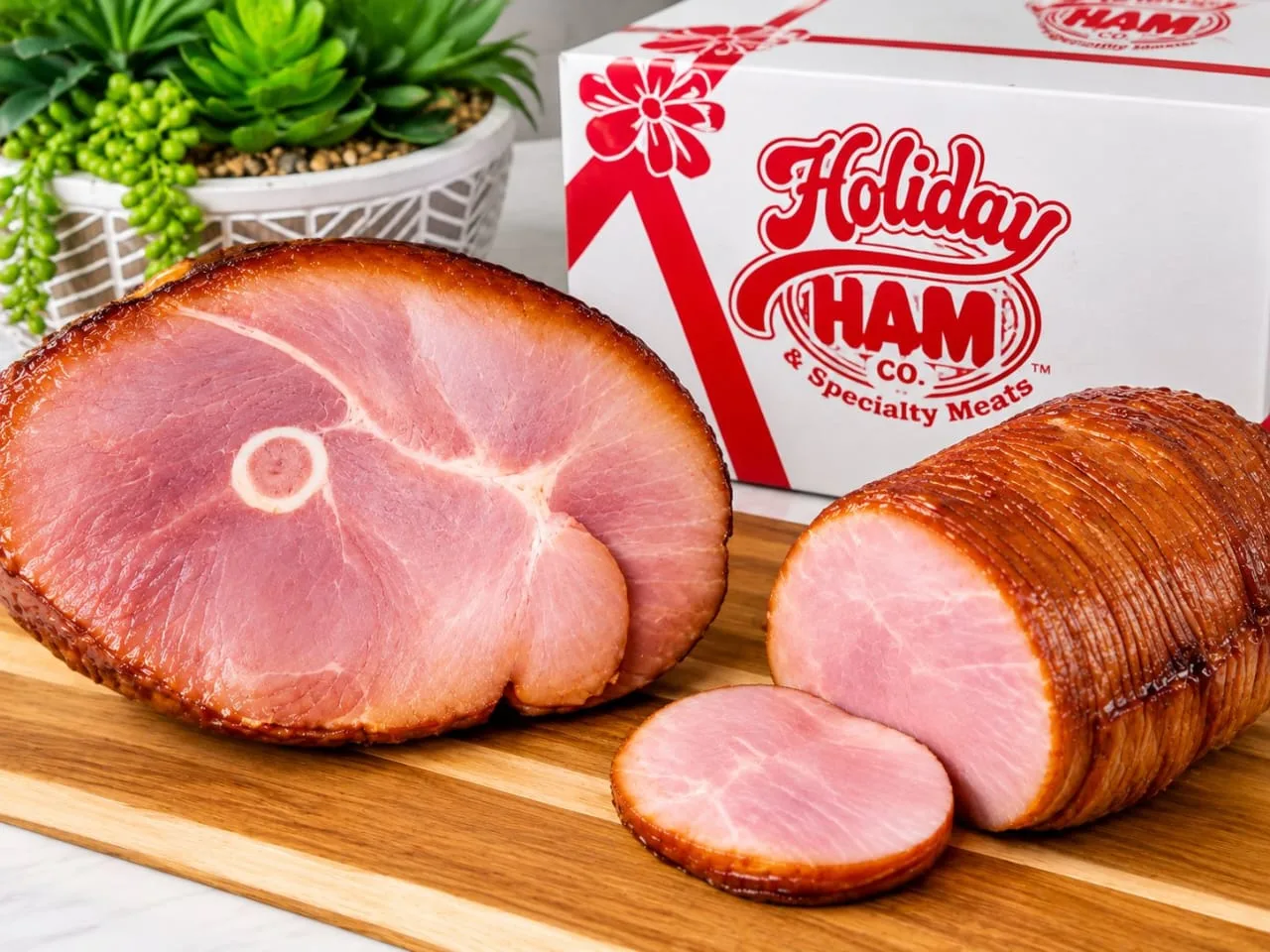
Holiday meal gifting used to mean a last-minute dash through a crowded grocery store, grabbing whatever spiral-cut ham was left on the shelf and hoping it would feed everyone at the table. Families relied on whoever got there first, and the options were limited to whatever a local store happened to stock that week. There was little room for personalization, and even less room for sending a thoughtful meal gift to someone who lived states away.
That shopping pattern has shifted considerably over the past decade. Shipping networks improved, refrigerated packaging became more reliable, and small food producers built direct relationships with customers instead of depending entirely on grocery chains. People now expect to send a complete meal centerpiece to a relative across the country without worrying about spoilage or timing. The result is a gifting category that looks almost nothing like it did fifteen years ago, with far more attention paid to sourcing, freshness, and the actual experience of receiving the gift.
What Buyer Habits Reveal About Gift-Giving Flexibility
One of the clearer patterns in recent gifting behavior is how often people choose to order a ham gift certificate online rather than pick a specific cut or size themselves. It sounds like a small distinction, but it solves a real logistical headache. Family sizes vary, dietary needs change year to year, and a recipient might prefer a different ham style than the one a well-meaning relative would have picked. Letting the recipient choose removes guesswork from the equation entirely, and it tends to reduce the odds of a gift going unused.
Evidence from gift-card and certificate trends across food categories shows this isn’t unique to ham. Shoppers increasingly favor flexible options when the recipient has specific preferences, whether that’s portion size, bone-in versus boneless, or delivery timing around a particular holiday. A certificate also sidesteps a common complaint with shipped meat gifts: the fear that a package will sit on a porch too long before someone is home to refrigerate it. When the recipient controls the delivery date, that risk drops substantially.
Food safety considerations still matter even when the recipient is in control of timing. Proper handling after delivery affects both taste and safety, and USDA food safety guidance outlines clear storage windows and temperature thresholds for cured and fully cooked hams once they arrive. Recipients who understand those guidelines tend to get a better final product, since even a well-packaged ham loses quality if it sits at room temperature too long before refrigeration.
Choosing a Ham Gift That Actually Gets Used
Anyone buying a meal gift for someone else faces the same basic question: will this actually get eaten, or will it sit in a freezer until it’s forgotten? The answer usually comes down to matching the gift to the recipient’s household size and cooking habits rather than defaulting to whatever seems traditional. A couple hosting a small dinner has very different needs than a family feeding a dozen relatives, and a flexible certificate accounts for that difference without requiring the giver to guess.
Timing also plays a bigger role than most people expect. Ordering early enough to guarantee delivery before a holiday weekend avoids the scramble that comes with last-minute shipping, and it gives the recipient room to plan their own cooking schedule. Many producers build in delivery windows specifically to accommodate this, recognizing that holiday shipping volume can create delays that ruin an otherwise thoughtful gift.
Presentation matters less than people assume, but communication matters more. A short note explaining how the certificate works, along with any relevant handling instructions, helps the recipient use the gift without confusion. Pairing that note with a mention of safe storage practices shows a level of care that goes beyond the gift itself. For givers who want a meal gift that feels personal but avoids the risk of mismatched preferences, this approach has become a dependable middle ground between convenience and thoughtfulness.