Ultraformer in Melbourne: A Closer Look at Devices, Costs and Suitability
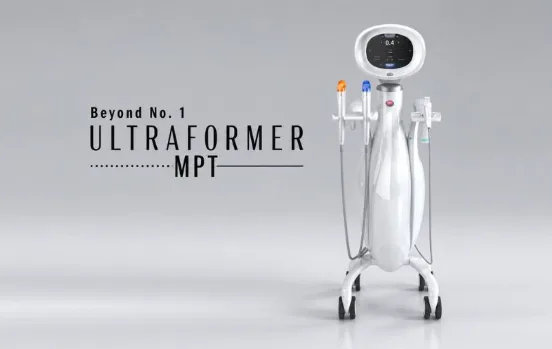
Ultraformer is a focused ultrasound treatment used in Melbourne for concerns such as mild to moderate skin laxity around the face, jawline and neck. Clinics may offer Ultraformer III or Ultraformer MPT, with treatment depth, energy delivery and practitioner assessment influencing how each session is planned.
For patients comparing providers in Melbourne, the device name is only one part of the decision. Suitability, treatment limits and the quality of the clinical assessment also matter.
How Ultraformer works beneath the skin
Ultraformer is a focused ultrasound platform used for concerns such as mild to moderate skin laxity and reduced definition around areas including the lower face, jawline and neck. The energy is delivered at selected depths beneath the skin, producing controlled thermal points that support a gradual collagen response.
Melbourne clinics currently offer different generations of the platform. This does not mean MPT is automatically the better option for every patient. The more relevant question is whether the device, cartridge depth and treatment plan suit the concern being assessed.
Treatment depth varies according to the area and tissue being targeted. Available cartridges may reach depths of 13 mm for selected applications, although not every depth is suitable for every patient.
The device is only one part of treatment planning
A stronger device does not automatically mean a more appropriate treatment. Ultraformer is generally discussed for patients with mild to moderate laxity who want gradual changes without surgery, rather than people expecting the degree of repositioning possible from a surgical facelift.
The underlying concern also matters. A less defined jawline may involve skin laxity, localised fullness, changes in facial volume, bone structure or several factors at once. This treatment may not address each of these concerns equally.
A consultation helps determine whether the procedure is appropriate for your concerns. Practitioners assess skin laxity, tissue thickness, facial asymmetry, previous cosmetic treatments and medical history. At TAEGA, facial structure, fullness and volume changes are also considered before recommending treatment.
Several Melbourne providers take a similar position: treatment planning should follow anatomy and individual goals, not simply a request for a particular device.
Results and recovery develop on different timelines
Ultraformer is a non-surgical procedure that does not require an incision. Many Melbourne providers therefore describe a relatively short recovery period compared with more invasive procedures, although temporary reactions can still occur.
Temporary redness, warmth, mild swelling, tenderness, tingling or sensitivity may occur after treatment. The intensity and duration of these reactions can vary with the area treated, device settings and individual response. Sensation can also differ according to the treatment area and settings, particularly near bony areas such as the jawline or forehead.
Visible changes are generally assessed over the following weeks and months as collagen remodelling continues. The full response should not be judged immediately after treatment. Melbourne providers publish treatment times ranging from about 20 minutes for smaller areas to around 90 minutes for broader or combined treatment plans.
Patients should therefore be cautious about promises of an instant or guaranteed lift. Individual response, baseline laxity, treatment depth and technique can all affect the outcome.
What affects Ultraformer pricing in Melbourne
Ultraformer pricing in Melbourne varies according to the treatment area, the number of lines or shots, the device generation and the scope of the session. Some clinics publish prices by treatment zone, while others confirm the total cost after assessment.
For that reason, headline prices are not always directly comparable. A lower quoted price may cover a smaller area, fewer lines or a different treatment plan. Patients comparing clinics should check what is included in the quote and whether follow-up review is part of the plan.
How TAEGA approaches treatment planning
At TAEGA, treatment recommendations begin with an individual aesthetic assessment rather than assuming one procedure suits every concern.
The Melbourne clinic offers Ultraformer MPT, with treatment settings selected according to facial anatomy, the treatment area and individual comfort. Its cartridges offer preset depths from 1.5 mm to 13 mm, although not every depth is required for every patient.
TAEGA takes a consultation-led approach, assessing individual concerns, medical history, previous procedures and realistic expectations before recommending treatment. The consultation also covers treatment areas, recovery, comfort and potential limitations.
Two patients concerned about the same area may have different causes of laxity or contour change, so the same treatment settings may not suit both.
What Melbourne patients should compare before booking
Price is one factor when comparing Ultraformer providers, but it does not show the full treatment plan. Treatment area, number of lines or shots, cartridge depth, practitioner experience and follow-up arrangements can all vary between clinics.
Before choosing an Ultraformer provider, patients should ask:
- who will perform the treatment;
- which generation (III or MPT) is being used;
- why particular cartridge depths are proposed;
- what temporary reactions may occur;
- when the treatment response will be reviewed.
A softer jawline or reduced facial definition does not always have a single cause. Laxity, tissue distribution, volume change and facial structure may contribute in different ways, and that distinction can change the treatment recommendation. At TAEGA, consultation is used to determine whether ultrasound-based technology is appropriate or whether another approach better matches the concern, anatomy and treatment goals.
Conclusion
Choosing Ultraformer in Melbourne involves more than comparing device names or headline prices. Suitability, practitioner assessment and realistic expectations all influence whether the treatment is appropriate.
For patients considering the treatment TAEGA uses a consultation-first approach to review facial anatomy, skin laxity, treatment history and individual goals before recommending a plan. Focused ultrasound may be considered when it aligns with the patient’s anatomy, concerns and treatment goals.