Hiring vs Buying Mining Equipment in Australia: Pros and Cons of Each Option
A wheel loader needed for three months presents a different decision from one scheduled to work across several years of confirmed production. The machine may be similar; the commercial exposure is not.
Deciding whether to hire or buy mining equipment means looking beyond the purchase price or monthly rate. Project certainty, productive hours, maintenance capacity and resale prospects all influence the result. Both options have advantages, and both can become expensive when the assumptions are wrong.
Pros of hiring mining equipment
Hiring reduces the initial capital required to put equipment to work. That can leave funds available for mobilisation, labour and other project commitments, although deposits and other upfront charges may still apply.
It also gives contractors a way to match equipment to a specific contract or temporary production requirement. When the agreed hire period ends, the machine can be returned rather than retained without enough work.
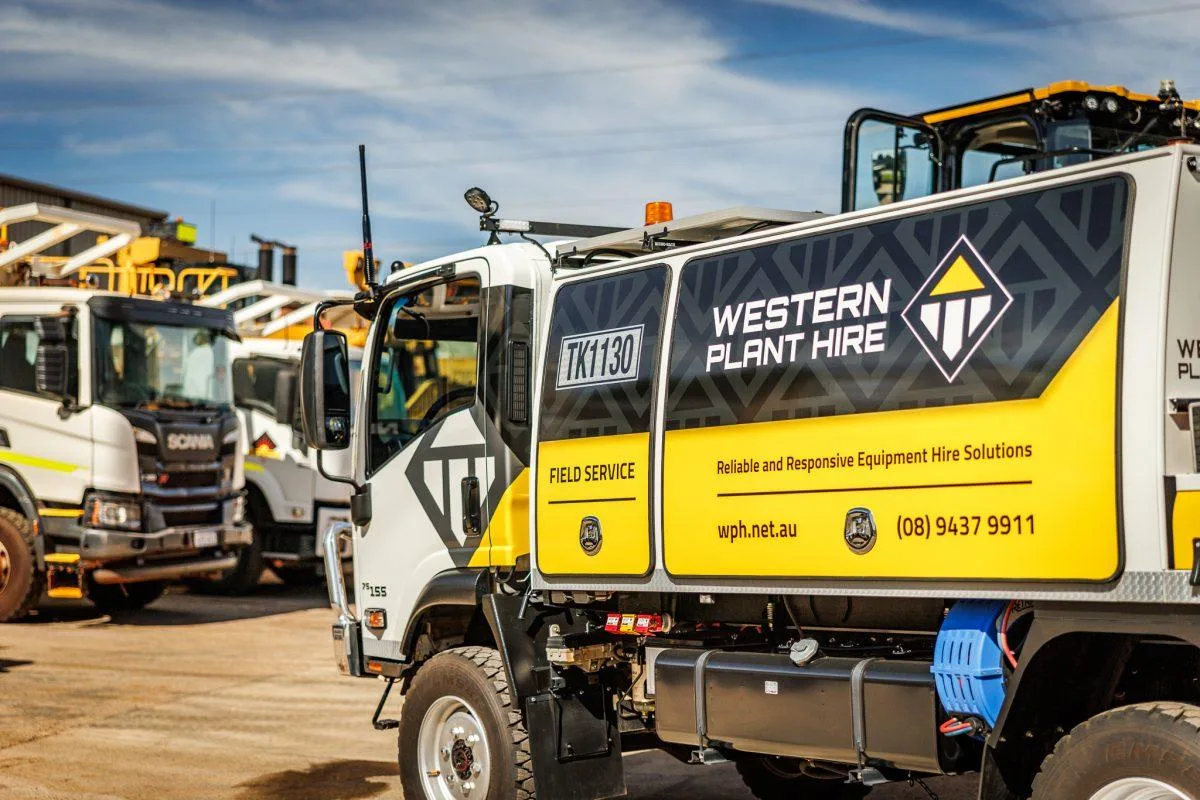
Maintenance support can be another advantage where it is included. For example, fully maintained fleet options from WPH provide an alternative to organising every aspect of mechanical support internally. The value depends on the agreed scope, exclusions and site arrangements. Hiring can also provide access to a machine category that a contractor needs occasionally but cannot justify keeping permanently.
Cons of hiring mining equipment
Recurring hire charges can become substantial when a machine remains on the job for years. Contractors need to compare the total expected hire cost with ownership over the same period, including the asset’s likely resale value.
Availability is another limitation. The required model or configuration may not be available when production needs it. An extension may also need approval, so an uncertain programme can create procurement pressure.
Minimum hours, excess usage charges, transport, damage and return conditions can change the final bill. Modifications may require permission, and off-hire procedures need attention: finishing the work does not necessarily end the charging period. Nor does hiring automatically remove responsibility for servicing or repairs. Those obligations depend on the contract, and exclusions can leave the hirer with costs they had not budgeted for.
Pros of buying mining equipment
Ownership gives an operation greater control over how a machine is scheduled, configured and moved between projects. Subject to technical and site requirements, modifications can be planned around the business rather than a hire provider’s restrictions.
With sustained utilisation and a reliable pipeline of work, buying may offer better value over the machine’s working life. The owner avoids ongoing hire payments and retains an asset that may eventually be sold.
Buying also allows a business to standardise its fleet around familiar models, parts and maintenance procedures. Operators and mechanics can build familiarity with the same equipment over time. Once the machine is acquired and available, the operation is less exposed to rental fleet availability, although it still needs contingency plans for breakdowns and scheduled maintenance.
Cons of buying mining equipment
Buying commits capital or borrowing capacity before the machine earns its keep. If a project is delayed or cancelled, repayments and other ownership expenses may continue while productive hours fall.
The owner also carries depreciation and resale uncertainty. A forecast selling price is only an estimate, influenced by condition, hours, demand and the market when disposal occurs.
Maintenance needs funding and organisation throughout ownership. Workshop capacity, parts, major component work, insurance and transport belong in the assessment, along with the consequences of downtime. An ageing machine may remain useful, but repair decisions can become harder as its condition changes. Selling or replacing it takes time, and equipment bought for one contract may be poorly matched to the next. Ownership provides control, but also leaves the business responsible for those decisions.
Which option suits your project
Compare both options using the same machine specification and forecast operating period. Western Plant Hire’s equipment range illustrates why this matters: a wheel loader and a dump truck serve different production requirements, and even machines within one category need careful matching.
For ownership, include acquisition less expected resale, financing and operating costs. For hire, include the rate, minimum hours, mobilisation and exclusions. Use productive hours to test cost per working hour, then repeat the calculation with lower utilisation.
Obtain project-specific terms from providers such as Western Plant Hire before comparing them with purchase quotations.
Making the decision
Hiring may suit temporary or uncertain requirements. Buying may suit sustained work with sufficient utilisation and maintenance capacity. Neither conclusion follows from the headline price alone. Choose using realistic operating assumptions, comparable quotations and a clear view of who carries the costs when plans change.