Electronic Logic Toys
Introduction
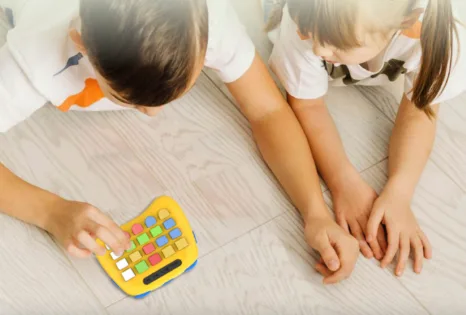
Electronic logic toys help children develop problem-solving, logical thinking, and reasoning skills through interactive play. These toys combine electronic components with puzzles, challenges, lights, sounds, or simple programming activities. Parents, schools, and educational retailers often choose electronic logic toys to make learning more engaging. A well-designed toy can introduce basic technology concepts while encouraging curiosity, creativity, and independent thinking.
What Are Electronic Logic Toys?
Electronic logic toys are educational products that challenge children to solve problems using logical steps. Depending on the design, they may include electronic circuits, buttons, sensors, switches, lights, or programmable components.
Some toys require children to complete a sequence of actions to reach a goal. Others introduce basic coding, circuit building, pattern recognition, or cause-and-effect relationships. These activities help children understand how different components work together.
Electronic logic toys are available for various age groups. Simple models may focus on matching patterns and completing basic puzzles, while advanced products can introduce robotics and beginner programming.
Benefits of Electronic Logic Toys
Electronic logic toys offer several educational benefits when selected according to a child’s age and abilities.
Problem-solving skills: Children learn to identify challenges, test possible solutions, and correct mistakes. This process encourages patience and systematic thinking.
Logical reasoning: Sequence-based games help children understand order, patterns, and relationships between actions and results.
Technology awareness: Circuit toys and interactive electronic products introduce basic concepts about electricity, switches, and electronic systems.
Creativity: Open-ended activities allow children to experiment with different combinations and develop their own solutions.
Concentration: Completing a puzzle or electronic challenge encourages children to focus on individual tasks.
These toys can make abstract concepts easier to understand by allowing children to interact with practical examples.
Types of Electronic Logic Toys
There are several categories of electronic logic toys available for homes, classrooms, and educational centers.
Electronic Puzzle Toys
Electronic puzzle toys use lights, buttons, sounds, or digital displays to present challenges. Children may need to identify patterns, remember sequences, or select the correct combination. These products are useful for practicing memory and logical reasoning.
Circuit Building Toys
Circuit building toys introduce basic electrical concepts through connected components. Children can learn how switches, batteries, lights, and other parts work together. Products should include clear instructions and appropriate safety features.
Coding Logic Toys
Coding toys teach children to arrange instructions in a particular order. Some use physical buttons, cards, or blocks instead of requiring a computer. These activities introduce sequencing, debugging, and computational thinking.
Electronic Robotics Toys
Robotics kits combine electronic components with movement and problem-solving tasks. Depending on the product, children may build a simple robot, control its movement, or program basic actions.
How to Choose the Right Electronic Logic Toy
Choosing a suitable toy begins with understanding the child’s age, interests, and learning level. A beginner may benefit from simple puzzles, while an older child may enjoy circuit experiments or coding challenges.
Always check the manufacturer’s recommended age range and read the instructions before use. Small components may be unsuitable for younger children. Battery compartments should be secure, and electrical components should be designed for their intended use.
Parents and schools should also consider durability, ease of use, educational value, and the availability of replacement parts. A toy with clear instructions can make learning more enjoyable and reduce frustration.
Electronic Logic Toys for Schools
Schools can use electronic logic toys to support practical learning in science, mathematics, and technology lessons. Teachers may organize group activities in which students solve challenges, compare approaches, and explain their reasoning.
Circuit kits can demonstrate simple electrical principles, while coding toys introduce sequences and instructions. These activities can complement classroom teaching and help students connect theory with practical experience.
Educational centers can select different difficulty levels to accommodate learners with varying abilities. Teachers should supervise activities involving electronic components and ensure that all products are appropriate for classroom use.
Buying Electronic Logic Toys Online
Online shopping makes it easier to compare electronic logic toys from different brands and suppliers. Buyers should review product descriptions, age recommendations, included components, and customer feedback.
Before purchasing, confirm the power requirements, battery type, warranty, and return policy. For bulk orders, schools and retailers should ask about wholesale prices, minimum quantities, shipping costs, and product availability.
Reliable product information helps buyers understand what each toy teaches and whether it meets their requirements.
Conclusion
Electronic logic toys offer an engaging way to develop reasoning, creativity, and basic technology skills. From electronic puzzles to circuit kits and coding robots, these products support learning through practical challenges. Selecting age-appropriate toys with clear instructions and suitable safety features helps parents, teachers, and retailers provide meaningful educational experiences.