Monoblock Filling Machines for Modern Packaging
Introduction
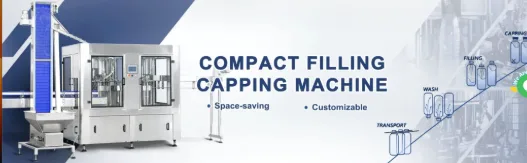
Monoblock filling machines are advanced packaging systems that combine filling and capping operations in one compact unit. These machines help manufacturers improve production efficiency, maintain consistent filling accuracy, and reduce the space required for packaging equipment. They are commonly used in food processing, beverages, pharmaceuticals, cosmetics, and chemical industries.
Modern monoblock filling machines can handle different liquid products and container sizes. Their automated operation helps reduce manual handling, improve workflow, and support reliable packaging performance.
Benefits of Monoblock Filling Machines
One major benefit of monoblock filling machines is their compact design. By combining multiple packaging operations, these systems reduce the need for separate equipment and lengthy conveyor arrangements. This makes them suitable for factories with limited production space.
Another advantage is improved productivity. Automatic machines perform repetitive filling and capping tasks with consistent timing, helping manufacturers maintain an organized production process. Reduced manual handling can also minimize certain packaging errors.
Filling accuracy is equally important. Properly configured machines dispense specific quantities of liquid into containers, helping businesses maintain product consistency and reduce material waste.
Applications in Different Industries
Food and Beverage Industry
Food manufacturers use monoblock filling machines to package water, juice, cooking oil, sauces, syrups, and other liquid products. Equipment designed for food applications should use suitable product-contact materials and support effective cleaning procedures.
Pharmaceutical Industry
Pharmaceutical companies use specialized filling systems for liquid medicines and healthcare products. These applications may require precise dosing, controlled production conditions, and validated cleaning procedures. Machines must meet the requirements relevant to the product being manufactured.
Cosmetics and Personal Care
Cosmetic manufacturers use monoblock filling machines for shampoos, lotions, liquid soaps, creams, and other personal care products. The appropriate filling technology depends on product viscosity, container design, and required filling volume.
Chemical Industry
Compatible monoblock filling machines can package cleaning solutions, industrial liquids, and specialty chemicals. Manufacturers should verify that pumps, seals, hoses, and other contact components are suitable for the chemical properties of each product.
Types of Monoblock Filling Machines
Different monoblock filling machines use different technologies to meet production requirements.
Volumetric filling machines dispense predetermined quantities of liquid and are suitable for many standard packaging applications.
Piston filling machines use piston mechanisms to measure and dispense products, making them useful for selected thicker liquids, creams, and sauces.
Pump-based filling machines transfer products using suitable pumps. Their performance depends on liquid viscosity, flow characteristics, and equipment configuration.
Automatic filling and capping machines combine container filling with closure application to streamline packaging operations.
Selecting the correct type depends on the product, required accuracy, container format, and production volume.
How to Choose the Right Machine
Choosing the right monoblock filling machine requires careful evaluation of manufacturing needs. Production capacity should be considered first because the machine must meet the required output without creating bottlenecks.
Container compatibility is another important factor. Manufacturers should confirm that the equipment supports their bottle dimensions, neck sizes, cap types, and filling volumes.
Product characteristics also influence machine selection. Thin liquids, viscous products, and foaming formulations may require different filling technologies.
Businesses should also evaluate automation features, control systems, cleaning requirements, available floor space, and future production needs. Comparing these factors helps identify equipment that provides practical long-term value.
Importance of Filling Accuracy
Accurate filling helps maintain consistent product quantities and improve packaging quality. Incorrect filling can increase product waste, create customer complaints, and affect compliance with applicable requirements.
Modern monoblock filling machines may use sensors, controlled pumps, piston mechanisms, or volumetric systems to support accurate dispensing.
However, actual accuracy depends on machine configuration, calibration, product properties, and operating conditions. Regular inspection and proper adjustment help maintain consistent results throughout production.
Maintenance and Cleaning
Regular maintenance is essential for reliable machine performance. Manufacturers should inspect filling nozzles, seals, pumps, sensors, conveyors, and moving components according to the supplier’s recommendations.
Cleaning procedures should match the product and the machine’s construction materials. Food, pharmaceutical, and cosmetic applications may have specific sanitation requirements that must be followed carefully.
Operators should receive training in machine operation, cleaning, changeovers, and safe shutdown procedures. Preventive maintenance helps reduce unexpected downtime and supports longer equipment service life.
Selecting a Reliable Manufacturer
A reliable monoblock filling machine manufacturer can help businesses choose suitable equipment for their production requirements. Experienced suppliers can provide technical advice, installation assistance, operator training, spare parts, and after-sales support.
Before purchasing, review the manufacturer’s technical specifications, warranty conditions, service availability, and experience with similar products. Requesting a demonstration or product trial can help verify whether the machine meets actual packaging needs.
The purchase price should not be the only consideration. Installation, maintenance, operating expenses, and spare parts also contribute to the total cost of ownership.
Conclusion
Monoblock filling machines provide an efficient solution for manufacturers seeking integrated filling and capping operations. Their compact design, automation capabilities, and flexible configurations make them suitable for various industries.
By evaluating filling accuracy, production capacity, product compatibility, hygiene requirements, and maintenance support, businesses can select a suitable packaging system. Proper installation and regular servicing help improve productivity, maintain consistent packaging quality, and support long-term manufacturing success.