Home Backup Power Solutions for Reliable Electricity
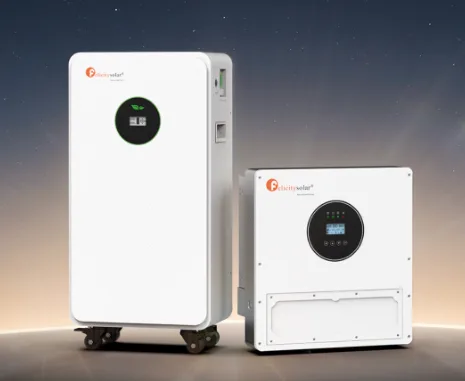
Reliable electricity is essential for maintaining comfort, safety, and convenience at home. From lighting and refrigeration to internet connectivity and essential appliances, modern households depend on a consistent power supply. When unexpected outages occur, having a dependable backup system can help families maintain their daily routines with fewer interruptions.
Home backup power solutions provide an effective way to keep selected household appliances running when the main electricity supply becomes unavailable. Depending on household requirements, these systems may include battery backup units, solar energy systems, portable power stations, or standby generators.
Choosing the right solution requires an understanding of electricity consumption, backup duration, installation requirements, and the appliances that need to remain operational during an outage.
What Are Home Backup Power Solutions?
Home backup power solutions are systems designed to provide electricity when the primary power source fails. They can support essential household equipment and help reduce the inconvenience caused by unexpected interruptions.
Different systems offer different capabilities. Battery-based solutions store electricity for later use, while generators produce electricity using an external fuel source. Solar-powered systems can generate electricity during daylight hours, and compatible battery storage can make that energy available when sunlight is insufficient.
The most suitable option depends on the home’s electricity requirements, budget, available installation space, and expected outage duration.
Types of Home Backup Power Solutions
1. Home Battery Backup Systems
Home battery systems store electrical energy and supply it to connected appliances when required. Many modern units can switch to backup power automatically when an outage occurs, depending on their configuration.
These systems are particularly useful for powering lights, routers, televisions, and other compatible devices. Larger battery installations may support refrigeration and selected household circuits.
Battery capacity and inverter output are important considerations. Capacity determines how much energy can be stored, while inverter output determines which appliances can operate simultaneously.
2. Solar Backup Power Systems
Solar backup systems combine photovoltaic panels with compatible electrical equipment and, where required, battery storage. Solar panels generate electricity during daylight hours, helping power household appliances and potentially recharge batteries.
A properly designed system can reduce dependence on grid electricity and provide backup capability during outages. However, ordinary grid-connected solar installations may shut down during a power failure unless they include suitable backup functionality.
Solar backup systems are especially worth considering for households seeking both renewable electricity generation and improved power availability.
3. Portable Power Stations
Portable power stations are compact battery-based devices designed to supply electricity through built-in outlets or compatible connections.
They can be useful for charging phones, powering laptops, operating internet routers, and supporting selected low-power appliances. Their portability makes them convenient for apartments, temporary backup requirements, and households that do not need a permanently installed system.
Before purchasing one, homeowners should check its usable battery capacity, continuous output rating, charging options, and compatibility with their intended appliances.
4. Standby Generators
Standby generators provide electricity during outages by converting fuel energy into electrical power. Depending on the model and installation, they may support larger household loads and operate for extended periods when an appropriate fuel supply is available.
These systems require careful installation, regular maintenance, ventilation, and suitable electrical connections. Fuel-powered generators must never be operated indoors, in garages, or in enclosed spaces because their exhaust can cause fatal carbon monoxide poisoning.
Benefits of Installing Home Backup Power Solutions
Maintain Essential Household Activities
A backup system can keep essential appliances operating during electricity interruptions. Lighting, refrigeration, communication devices, and selected medical equipment may be supported when the system is appropriately sized.
Protect Work and Connectivity
People who work or study from home often depend on computers, routers, and reliable internet access. A suitable backup system can help maintain connectivity and reduce interruptions during important tasks.
Improve Household Convenience
Unexpected outages can disrupt cooking, communication, and other daily activities. Having a suitable backup system can make these interruptions easier to manage.
Support Energy Independence
Battery and solar-based systems can provide greater control over how and when electricity is used. Depending on the configuration, homeowners may also use stored energy to reduce grid consumption during certain periods.
Provide Greater Planning Flexibility
Understanding backup capacity and household energy needs allows homeowners to prioritize essential appliances and plan for outages of different durations.
How to Choose the Right Backup System
Selecting a backup system starts with identifying the appliances that need electricity during an outage.
Calculate power requirements. Check the wattage of each appliance and consider starting surges from equipment such as refrigerators and pumps.
Estimate backup duration. Determine how many hours the system should operate and calculate the approximate energy required.
Compare battery capacity and output. A system with sufficient stored energy may still be unsuitable if its inverter cannot handle the connected appliances’ combined demand.
Consider installation requirements. Evaluate available space, ventilation, wiring, and electrical compatibility. Permanently installed systems should be assessed by a qualified electrician.
Review maintenance and warranties. Compare expected battery life, replacement costs, manufacturer support, and service requirements.
Set a realistic budget. Compare the complete installation cost rather than considering the purchase price of the main unit alone.
Common Mistakes to Avoid
One common mistake is purchasing a system without checking the total load of the intended appliances. Another is confusing battery capacity with power output, even though these specifications serve different purposes.
Homeowners should also avoid assuming that every solar installation automatically provides electricity during a blackout. Backup operation depends on the inverter, battery configuration, and electrical installation.
Finally, electrical connections should never be improvised. Incorrect wiring can create serious fire and electric shock hazards.
Conclusion
Home backup power solutions help households prepare for unexpected electricity interruptions and maintain access to essential appliances. Battery backup systems, solar installations, portable power stations, and standby generators each offer different advantages.
The right choice depends on power requirements, outage duration, installation conditions, and budget. By comparing these factors carefully and using qualified installation services, homeowners can select a reliable system that supports their everyday needs and provides greater confidence during power interruptions.