The Circular Economy in Action: Why Repurposing Heavy Machinery Matters for Global Infrastructure
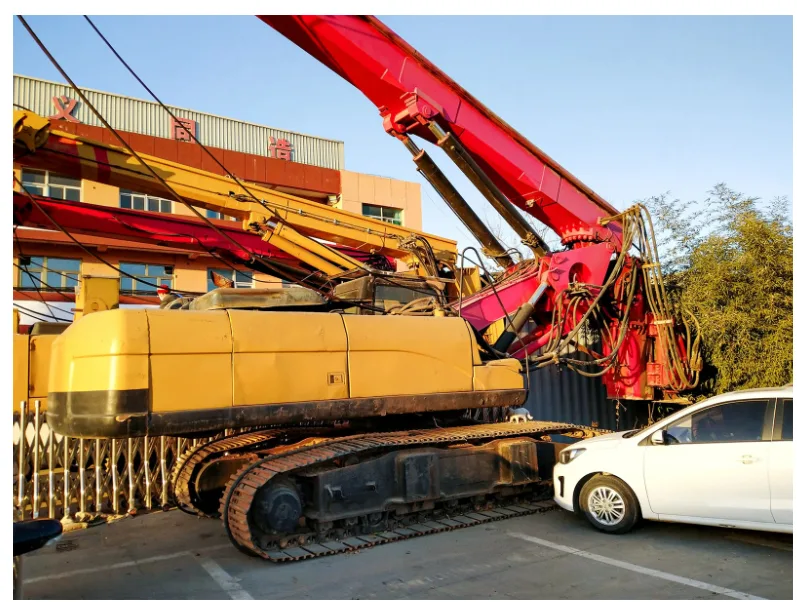
Global infrastructure is expanding rapidly. As emerging markets drive the demand for new roads, energy grids, and urban development, the construction sector faces a dual challenge: building essential infrastructure while meeting stringent carbon reduction targets. While much of the sustainability conversation focuses on green building materials, the environmental footprint of the heavy machinery used to build these projects requires equal attention.
Integrating the circular economy into heavy equipment procurement—by extending the lifecycle of pre-owned machinery—offers a pragmatic solution. When rigorously evaluated and properly maintained, repurposed equipment provides developing regions with cost-effective tools while mitigating the need for new manufacturing.
The Nuanced Reality of Heavy Equipment Emissions
The traditional linear economy of industrial equipment is highly energy-intensive. Manufacturing a new excavator or rotary drilling rig generates significant “embodied carbon” through steel production, assembly, and initial transport.
However, evaluating the environmental impact of machinery requires looking at the full lifecycle. Industry lifecycle assessments (such as those conducted by major manufacturers like Volvo) indicate that the operational phase—specifically fuel consumption over years of use—accounts for the vast majority of a machine’s total carbon emissions. Therefore, purchasing used equipment is not an automatic carbon-zero solution.
The true environmental benefit of the circular economy lies in lifecycle optimization. If a contractor procures a well-maintained, fuel-efficient used machine that fits the project’s precise requirements, they effectively amortize the equipment’s initial embodied carbon over a much longer timeline. By maximizing the remaining operational life of existing fleets, the global supply chain delays and reduces the aggregate demand for new manufacturing, easing the immediate burden on raw materials and industrial energy consumption.
Practical Considerations: Balancing Cost and Viability
For international contractors, particularly in the Global South, the decision to source used machinery is driven primarily by economics. Accessing top-tier engineering technology without the premium price tag of new fleets allows limited infrastructure budgets to stretch further.
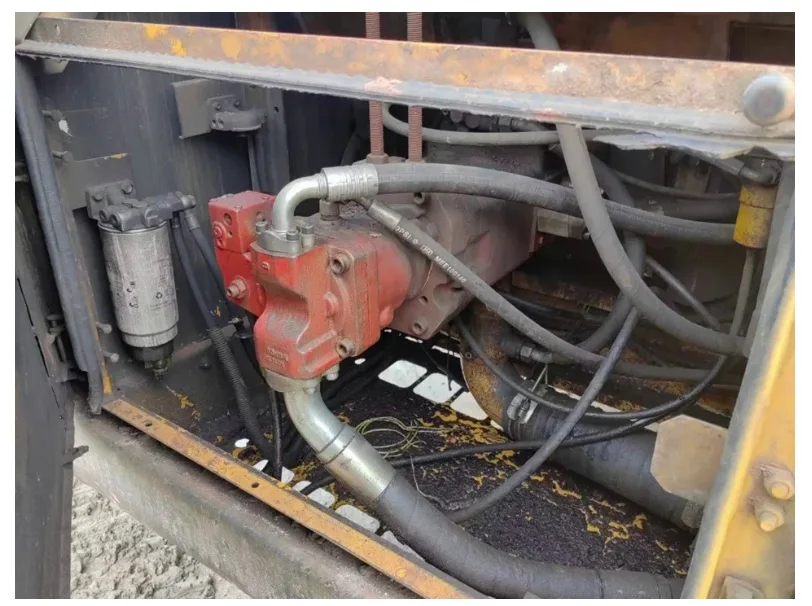
Yet, true cost-efficiency—and environmental viability—depends entirely on the condition of the equipment. Sourcing professionals do not just look at the price tag; they evaluate the machine’s holistic health. Key indicators include comprehensive maintenance logs, the wear and tear on critical components like hydraulics and undercarriages, and how the machine’s fuel efficiency aligns with the specific working conditions of the upcoming project. A cheaper machine with high fuel consumption and frequent breakdown risks will ultimately cost more financially and environmentally. Therefore, the goal is to find the sweet spot between upfront savings, operational reliability, and remaining lifecycle value.
Mitigating Friction in Cross-Border Procurement
The primary barrier to adopting this circular model is the complexity of cross-border B2B trade. Sourcing used machinery internationally exposes buyers to information asymmetry, inconsistent quality assurance, and complex export logistics. If contractors cannot confidently verify a machine’s condition before purchase, the financial and operational risks often outweigh the benefits.
Successfully navigating this global trade requires stringent oversight. International contractors increasingly rely on specialized procurement partners to bridge the gap between global supply and local demand. For instance, specialized facilitators that assist global buyers in sourcing used construction machinery from China focus on technical evaluations and export preparation. Firms like GLOBMACH help mitigate cross-border friction by coordinating independent inspections and verifying performance metrics, ensuring that the equipment matches the buyer’s expectations before it leaves the port.
By standardizing the evaluation and logistical phases, professional export coordinators allow international buyers to participate in the circular economy securely. This ensures that machines are not merely relocated, but are genuinely prepared for safe and efficient redeployment.
A Grounded Approach to Sustainable Development
Building sustainable infrastructure requires practical shifts in how supply chains operate. Incentivizing the redeployment of high-quality, pre-owned machinery is a tangible step forward. By applying rigorous evaluation standards to used equipment procurement, the global construction industry can support economic development in emerging markets while taking a measurable, realistic approach to resource conservation and carbon management.