Common Mistakes That Lead To Overcooked Or Flavorless Steaks
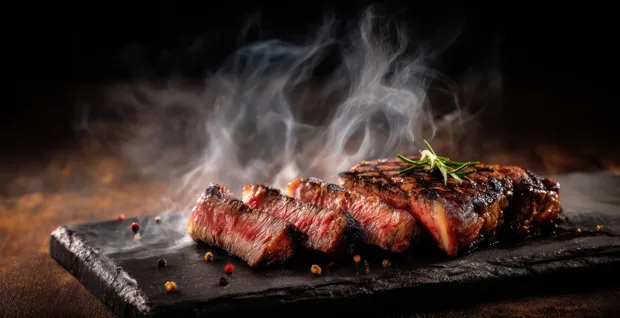
Why does one steak develop a rich, browned crust and a juicy center while another turns out dry, tough, or bland?
The difference often comes down to a few simple cooking mistakes. Choosing the wrong cut, using poor temperature control, or overlooking surface moisture can affect both flavor and texture.
Fortunately, cooking a better steak does not necessarily require expensive equipment or complicated marinades. Understanding how cut, thickness, seasoning, moisture, and heat work together can help you achieve more consistent results.
This complete guide covers five common mistakes that lead to overcooked or flavorless steaks and explains how to avoid them for a more satisfying meal.
1. Choosing The Wrong Cut or Thickness for the Cooking Method
Steaks vary considerably in tenderness, fat content, thickness, and cooking needs. Thin flank steaks, for instance, cook quickly, so the window between perfectly cooked and overcooked on the inside is very narrow.
Thicker cuts, in contrast, have enough time to form a browned crust before the center toughens. Tenderloins are nice for a gentle pan-sear, but ribeyes can handle the high heat. Marbling also contributes flavor and helps the steak feel juicier.
Matching the thickness to the cooking method is vital. Whether pan-searing, grilling, or reverse-searing, the right choice ensures your gourmet steak dinner comes out perfectly.
2. Seasoning The Steak Incorrectly
No matter how well you cook the meat, if you don’t season it properly, it will taste bland. Salt enhances flavor perception and seasons the interior evenly.
There are two practical ways to achieve this: salt right before cooking, or salt 45 minutes before, to let the moisture come out and then be reabsorbed.
- Use Kosher Salt: The coarse texture helps it distribute evenly.
- Delay Spices: Add black pepper, garlic, or other spices later in the cook to prevent burning.
- Finish Luxuriously: Add extra depth with fresh herbs or compound finishing butter.
Give the salt time to season the meat beyond its surface. Ultimately, the seasoning should enhance the beef, not mask the lack of flavor with heavy sauces.
3. Cooking Steak While Its Surface Is Wet
The best way to ensure that a wet steak will not brown well is to apply heat. First, some heat is wasted evaporating surface water, which delays the high temperatures needed for quick Maillard browning.
The result, unfortunately, is a pale, gray exterior with poorly developed roasted flavors and an overcooked center. A study of meat biochemistry confirms that excess water inhibits browning and that certain surface conditions are necessary to enhance the Maillard reaction.
Always dry the steak with paper towels. A liberal amount of pan heat and attentive drying produce a deeply browned crust.
4. Using Insufficient Heat or Overcrowding the Pan
A pan that doesn’t get hot enough won’t brown the steak until it’s cooked through. Also, if you cram too many steaks into the same pan, it drops the temperature and traps moisture.
To avoid this, preheat a heavy skillet and leave lots of room around each cut. For instance, use a neutral fat like avocado oil, which has a high smoke point, for the first sear. Let the crust develop.
Add it closer to the end of the cooking process to prevent the milk solids in the butter from burning. The goal is to get a nice crust without burning it or leaving the inside raw.
5. Guessing Cooking Time Instead of Checking Internal Temperature
Cooking time is not a reliable measure of doneness. Thickness, starting temperature, grill performance during big summer cookouts like Labor Day, and cooking methods can greatly change the time needed. An instant-read food thermometer will measure internal temperature much more accurately than the eye or the finger.
A meat science highlights the critical importance of precise internal monitoring, showing that internal metabolic factors play a big role in beef tenderness. Plus, carryover cooking means the internal temperature will keep rising after you take the wings off the heat.
For whole beef steaks, cook to a minimum safe internal temperature of 145 °F (62.8 °C), then rest for three minutes. Check temperature early to avoid overcooking.
How To Cook a More Flavorful Steak Consistently
The key to perfect steak is a consistent, scientifically sound process. Start with a good cut, season at the right time, and dry the surface well. Always use a thermometer to remove the guesswork and preheat your cooking apparatus.
A hot cooking surface helps with browning, and ambient heat is carefully controlled to prevent overcooking the inside. Toward the end, baste with butter, garlic, or herbs as appropriate.
Finally, let the meat rest and slice it against the grain to make a huge difference in the eating experience. Save your variables and reproduce perfect results each time.
Conclusion
Overcooked or flavorless steaks often result from a few preventable mistakes, including choosing an unsuitable cut, seasoning incorrectly, leaving the surface wet, using poor heat control, and guessing doneness instead of checking the internal temperature.
By drying the steak thoroughly, managing the heat, seasoning thoughtfully, and using a food thermometer, you can improve both flavor and texture. With practice and attention to these fundamentals, preparing a tender, well-browned steak becomes a more consistent and enjoyable experience.