Why Stubborn Belly and Love Handle Fat Resists Diet and Exercise: The Hormonal Factor and Modern Injectable Solutions
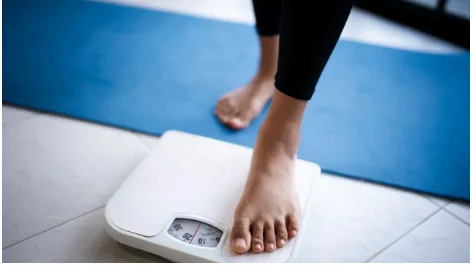
For millions of individuals pursuing fitness and health goals, few experiences are as frustrating as dealing with stubborn abdominal and flank fat. You strictly follow a balanced diet, maintain a rigorous calorie deficit, and log hours of cardiovascular and resistance training every week. Yet, while you may notice weight loss in your face, arms, or legs, those persistent love handles and lower belly fat refuse to budge.
This common phenomenon leads many to wonder: Why does targeted fat loss seem nearly impossible through traditional lifestyle modifications alone?
The answer rarely lies in a lack of willpower or flawed workouts. Instead, the primary barrier is deeply rooted in human physiology, specifically hormonal regulation, metabolic adaptation, and specialized fat cell receptors. Understanding these biological mechanisms sheds light on why modern medical advancements, such as dual-agonist injectable therapies, have transformed the landscape of weight management.
The Physiology Behind Stubborn Fat
Fat accumulation across different regions of the body is not uniform. The body stores two primary types of fat: subcutaneous fat (located directly under the skin) and visceral fat (stored deeper around internal organs). The fat residing around the waistline and flanks contains a higher density of specific cellular receptors that dictate how easily fat is mobilized and burned for energy.
- Alpha vs. Beta Adrenoreceptors: Fat cells possess two main types of receptors that interact with hormones like adrenaline and noradrenaline. Beta-receptors accelerate fat breakdown (lipolysis), whereas Alpha-receptors slow it down. Subcutaneous fat in the abdomen and flanks is densely packed with Alpha-receptors, making these areas biologically resistant to fat release during standard exercise.
- Hormonal Influences and Insulin Resistance: Hormones act as the body’s chief chemical messengers. Elevated stress levels trigger chronic cortisol release, which signals the body to store energy precisely around the midsection. Similarly, insulin resistance impairs the body’s ability to process glucose efficiently, promoting localized fat storage and triggering persistent cravings that disrupt dietary compliance.
- Appetite Regulation and Metabolic Adaptation: When you maintain a prolonged calorie deficit, your body perceives a potential energy shortage. In response, it alters gut-brain signaling, increasing hunger hormones (such as ghrelin) while suppressing satiety signals. This metabolic defense mechanism makes long-term weight maintenance exceptionally challenging.
The Shift Toward Hormonal and Medical Weight Management
Because localized fat accumulation and appetite control are heavily governed by metabolic pathways, lifestyle changes often yield faster, more sustainable results when supported by targeted medical science. Rather than relying solely on restrictive diets, modern metabolic therapies address the root biological drivers of hunger, glucose regulation, and fat storage.
Among the latest innovations in pharmaceutical science is Tirzepatide, a dual GIP (glucose-dependent insulinotropic polypeptide) and GLP-1 (glucagon-like peptide-1) receptor agonist. By activating these twin hormonal pathways, Tirzepatide helps slow gastric emptying, regulates blood sugar spikes, and significantly enhances feelings of fullness after meals.
In Iran, this advanced therapeutic approach is available through ZCorpa, an injectable anti-obesity medication manufactured by Abidi Pharmaceutical Company under official licensing from the Iranian Food and Drug Administration. Designed to support comprehensive weight management programs, ZCorpa provides a scientifically backed option for individuals struggling with metabolic resistance and persistent appetite triggers.
Incorporating ZCorpa into a Clinical Weight Loss Plan
While injectable therapies offer powerful metabolic support, expert clinical guidance remains essential for safety, accurate dosing, and optimal long-term results. Medical evaluation ensures that candidates undergo proper laboratory assessments before beginning treatment.
For individuals evaluating specialized medical weight management options, seeking care through accredited aesthetic and wellness centers is essential to ensure safety and clinical efficacy. Patients looking to explore personalized protocols and structured administration can read more about ZCorpa to understand how this dual-agonist therapy is integrated into comprehensive body-sculpting programs.
Furthermore, receiving treatments through an established medical facility guarantees that dosage scaling and metabolic monitoring are tailored to individual health profiles. Consulting with experienced physicians at Mahdokht Clinic allows patients to combine advanced pharmaceutical therapy with professional oversight for safe, long-term body transformation.
A Holistic Approach to Long-Term Results
Overcoming stubborn belly fat requires moving past the misconception that weight loss is purely a matter of calories in versus calories out. By addressing the hormonal barriers, receptor densities, and appetite signals that protect stubborn fat stores, modern solutions provide a clear path forward.
When combined with balanced nutrition, active movement, and expert medical oversight, therapies like ZCorpa help bridge the gap between effort and results—enabling individuals to achieve meaningful, lasting improvements in both body composition and overall health.