Understanding Yin Yoga Teacher Training: Skills, Practice and Teaching Foundations
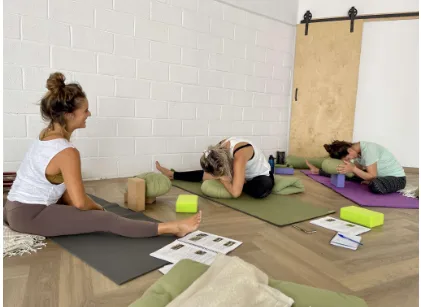
For a concrete example, explore Yin Yoga Teacher Training offered by Evolutionary Yoga, and compare the published curriculum with your own learning goals. Yin yoga training teaches a slower, attentive style of practice in which participants explore manageable sensations rather than forcing a particular shape. A useful education combines personal practice with the skills required to teach others responsibly. Prospective trainees should examine anatomy instruction, sequencing, supervised practice and the way instructors discuss student safety.
What Makes Yin Yoga Distinct
Yin yoga often uses floor-based postures held for longer periods than in dynamic classes. The intention is not to achieve a photograph-perfect pose. People differ in joint structure, mobility and experience, so a teacher needs to offer meaningful alternatives. Training should distinguish manageable sensations from sharp pain or numbness and encourage students to change position whenever necessary.
Functional Anatomy and Props
Understanding skeletal variation, connective tissues and the limits of individual movement is central to safe instruction. Cushions, blocks and blankets can support a position without increasing intensity. Teachers should learn several versions of common shapes and explain their purposes without making unsupported medical claims.
Teaching Skills and Communication
A good class includes clear entry and exit instructions, considered transitions and permission to rest. Students should know that adjustments are optional and that touch requires consent. Trainees benefit from teaching short sequences, receiving specific feedback and reflecting on their language and timing.
How to Evaluate a Course
Compare the advertised hours with actual supervised contact time, the instructor’s experience, the assessment process and the certificate’s stated recognition. A residential retreat may encourage immersion, but setting alone does not guarantee educational quality. Ask whether the curriculum addresses beginners, injuries and differing body types.
Continuing After Graduation
Teaching competence develops through regular practice, observation and reflection. A specialist certificate should be understood in relation to any prior general yoga education. Responsible teachers keep learning and remain within their professional scope.
What a New Teacher Actually Needs
The transition from practitioner to instructor changes the questions you ask. Instead of concentrating only on your own sensations, you must notice how clearly the group understands an invitation and whether people have suitable options. Teaching also requires preparation: knowing which props are available, allowing enough time for transitions, and having a calm response when someone needs to stop. A training that includes practical rehearsals makes these responsibilities visible before a graduate leads a public class. In the context of the foundations of yin teaching, this is particularly relevant to new instructors. Consider a realistic example involving a first public yin class: the instructor may need to change the plan because the room is warmer than expected, several students are beginners, or the available props differ from the original list. Good preparation creates flexibility rather than a rigid script. A useful habit is to distinguish what is known from what still needs clarification and to ask the course provider or supervising teacher for concrete examples before making assumptions. This keeps learning practical and makes expectations easier to communicate.
The Difference Between a Syllabus and a Learning Experience
A printed syllabus can list anatomy, philosophy, meditation and teaching practice without revealing how these subjects are taught. Ask for a sample day and examples of the work students complete. Are anatomy concepts applied to real postures? Do trainees explain their decisions or simply copy the trainer? Does feedback address pacing and accessibility? A program becomes useful when ideas are tested, discussed and revisited rather than presented once as information to memorise. In the context of the foundations of yin teaching, this is particularly relevant to new instructors. Consider a realistic example involving a first public yin class: the instructor may need to change the plan because the room is warmer than expected, several students are beginners, or the available props differ from the original list. Good preparation creates flexibility rather than a rigid script. A useful habit is to distinguish what is known from what still needs clarification and to ask the course provider or supervising teacher for concrete examples before making assumptions. This keeps learning practical and makes expectations easier to communicate.
Comparing Formats Without Losing the Essentials
An intensive residential course can create focus and a strong sense of community, while part-time training may give learners more space to absorb information between sessions. Neither format is automatically superior. The essential questions concern teacher access, guided practice, opportunities to teach and time for questions. Participants should also assess how the schedule fits their health, responsibilities and ability to recover after long practice days. In the context of the foundations of yin teaching, this is particularly relevant to new instructors. Consider a realistic example involving a first public yin class: the instructor may need to change the plan because the room is warmer than expected, several students are beginners, or the available props differ from the original list. Good preparation creates flexibility rather than a rigid script. A useful habit is to distinguish what is known from what still needs clarification and to ask the course provider or supervising teacher for concrete examples before making assumptions. This keeps learning practical and makes expectations easier to communicate.
Learning to Notice Instead of Correct
Yin practice often rewards patient observation. Teachers can invite students to compare different prop arrangements and decide which produces a manageable experience. This is different from correcting everyone toward the same alignment. Students should not feel that leaving a pose means failure. A training that models non-judgmental language helps future teachers build classes where individual variation is expected rather than treated as an inconvenience. In the context of the foundations of yin teaching, this is particularly relevant to new instructors. Consider a realistic example involving a first public yin class: the instructor may need to change the plan because the room is warmer than expected, several students are beginners, or the available props differ from the original list. Good preparation creates flexibility rather than a rigid script. A useful habit is to distinguish what is known from what still needs clarification and to ask the course provider or supervising teacher for concrete examples before making assumptions. This keeps learning practical and makes expectations easier to communicate.
Using Feedback to Improve Teaching
One short practice class can reveal many details: an instruction may be ambiguous, a transition too fast, or a posture held longer than the group needs. Specific feedback makes improvement possible. Trainees can record their lesson plans, identify where timing changed and revise the sequence. Constructive assessment should reward responsiveness, not performance or flexibility. This reflective cycle is a useful habit to continue after graduation. In the context of the foundations of yin teaching, this is particularly relevant to new instructors. Consider a realistic example involving a first public yin class: the instructor may need to change the plan because the room is warmer than expected, several students are beginners, or the available props differ from the original list. Good preparation creates flexibility rather than a rigid script. A useful habit is to distinguish what is known from what still needs clarification and to ask the course provider or supervising teacher for concrete examples before making assumptions. This keeps learning practical and makes expectations easier to communicate.
Practical Questions Before Paying
Before booking, request the current timetable, total fee and written cancellation terms. Check what materials and props are provided, whether meals or accommodation are included, and which prior qualifications are recommended. Clarify the certificate’s issuing body and the status of any claimed recognition. If a program uses the word accredited, ask which organisation grants that recognition and what it means for your intended teaching work. In the context of the foundations of yin teaching, this is particularly relevant to new instructors. Consider a realistic example involving a first public yin class: the instructor may need to change the plan because the room is warmer than expected, several students are beginners, or the available props differ from the original list. Good preparation creates flexibility rather than a rigid script. A useful habit is to distinguish what is known from what still needs clarification and to ask the course provider or supervising teacher for concrete examples before making assumptions. This keeps learning practical and makes expectations easier to communicate.
Building an Ethical Teaching Practice
A yoga teacher can guide movement and reflection, but should not diagnose conditions or promise cures. Responsible instruction includes consent around touch, clear professional boundaries and the ability to recommend medical assessment when concerns are outside the teacher’s competence. Inclusive language matters too: not every student shares the same mobility, religious outlook or interest in philosophy. Respectful choices help a class remain welcoming. In the context of the foundations of yin teaching, this is particularly relevant to new instructors. Consider a realistic example involving a first public yin class: the instructor may need to change the plan because the room is warmer than expected, several students are beginners, or the available props differ from the original list. Good preparation creates flexibility rather than a rigid script. A useful habit is to distinguish what is known from what still needs clarification and to ask the course provider or supervising teacher for concrete examples before making assumptions. This keeps learning practical and makes expectations easier to communicate.
From Course Notes to Real Classes
After training, begin with simple sequences rather than trying to use every technique at once. Prepare a small number of clear variations, explain the purpose of props and allow generous time for students to leave postures. Invite feedback without asking participants to disclose personal medical information. Continue observing experienced teachers and reviewing reliable anatomy resources. Confidence grows through careful repetition and an openness to change. In the context of the foundations of yin teaching, this is particularly relevant to new instructors. Consider a realistic example involving a first public yin class: the instructor may need to change the plan because the room is warmer than expected, several students are beginners, or the available props differ from the original list. Good preparation creates flexibility rather than a rigid script. A useful habit is to distinguish what is known from what still needs clarification and to ask the course provider or supervising teacher for concrete examples before making assumptions. This keeps learning practical and makes expectations easier to communicate.
Final Considerations
For additional information about one provider’s training approach, see Yin Yoga Teacher Training at Evolutionary Yoga. Compare its published syllabus with other options and verify current fees, dates and eligibility before booking. A responsible learning path values safety, curiosity and continued development.