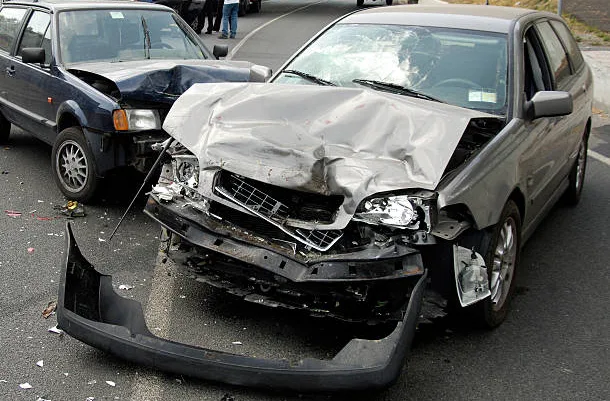
Low-speed car accidents can cause serious injuries even when the vehicles show little visible damage. The sudden movement of the body during a collision can strain the neck, back, muscles, and ligaments. As a result, a crash that appears minor may still leave someone with significant pain or injuries that affect daily activities.
When looking at crash risks, what is the chance of dying in a car crash? is an important question to consider. However, the risk of death is only one part of the picture. Many people survive car accidents but experience injuries that require medical treatment or cause lasting discomfort.
To understand why these injuries, occur, it is important to look beyond the speed of the collision and the damage to the vehicle. Factors such as the direction of impact, body movement, seat positioning, and existing health conditions can all influence the severity of an injury.
Why Minor Vehicle Damage Can Hide Serious Injuries
Even if a car has little visible damage, the people inside can still experience a sudden force when it stops or changes speed. In a rear-end collision, the seat pushes the body forward, while the head moves a moment later. This sudden movement can stretch or damage the muscles, ligaments, spinal discs, and nerves in the neck and back.
The result may include neck stiffness, headaches, dizziness, shoulder pain, numbness, or restricted movement. These injuries can occur even when the vehicle remains drivable.
Whiplash Can Follow a Low-Speed Collision
Whiplash is a common example of an injury that does not require a dramatic crash. Rapid head-and-neck movement can strain soft tissues even without the head moving beyond its normal range.
Symptoms may include:
- Neck pain and stiffness.
- Headaches or upper-back pain.
- Dizziness or fatigue.
- Tingling or numbness.
- Difficulty concentrating or sleeping.
Symptoms do not always begin at the scene. Someone who initially feels fine may develop discomfort later that day or over the following several days.
What Affects the Risk of Injury?
Several factors influence how a low-speed collision affects the people inside a vehicle:
- Impact direction: Side collisions leave less space between occupants and the striking vehicle.
- Seat and headrest position: Poor positioning may increase strain on the neck.
- Body posture: The occupant’s position and whether they anticipated the collision can affect movement.
- Vehicle design: Different structures absorb and transfer impact forces differently.
- Previous conditions: Existing back problems, arthritis, or earlier injuries may become more painful after a crash.
Seat belts and airbags help reduce injuries during a crash, but they cannot prevent all of them. Even when these safety features protect someone from hitting the dashboard or being thrown forward, the force of the collision can still injure the neck, chest, shoulders, or abdomen. Side-impact crashes can be especially concerning because the doors and other parts of the vehicle are close to the occupants.
Federal safety standard 49 C.F.R. § 571.214 sets requirements for protecting occupants from serious injuries in side-impact collisions.
Preexisting Conditions and Delayed Symptoms
A crash can aggravate an existing medical condition, including chronic back pain, degenerative disc disease, or a previous concussion. The collision does not have to create an entirely new condition for someone to experience a genuine worsening of symptoms.
Stress and adrenaline may also temporarily mask pain. Seek medical attention if you develop neck or back pain, persistent headaches, dizziness, confusion, weakness, numbness, abdominal pain, or breathing difficulties. Severe symptoms, loss of consciousness, or signs of a serious head injury warrant urgent medical assessment.
Key Takeaways
- Low-speed collisions can cause significant physical injuries.
- Vehicle damage alone does not establish injury
- Whiplash symptoms may develop hours or days later.
- Seat belts and airbags reduce risk but cannot eliminate it.
- Side impacts may expose occupants to greater direct forces.
- Preexisting conditions can worsen after a collision.
- Seek immediate medical care, document symptoms, and preserve evidence.