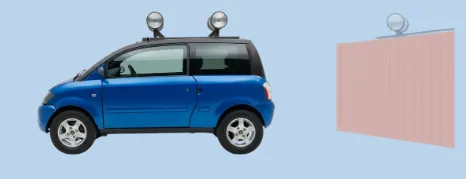
[Orlando, FL — PUBLICATION DATE] — Tesla’s October 15, 2026, Roadster demonstration captured international attention by showing an electric sports car performing controlled airborne maneuvers using technology developed with SpaceX. The prototype climbed an inverted ramp, maneuvered through the air with thrusters, and returned to the ground.
The demonstration has renewed an important question about transportation’s future: What if moving above traffic could become part of everyday travel rather than a feature of an exclusive sports car?
GoBFree, an emerging transportation technology company, believes one potential answer lies in elevated electric infrastructure.
Rather than developing automobiles that fly independently, GoBFree proposes a transportation network that allows compatible electric vehicles to connect to elevated rails and travel above congested roads. Vehicles would remain supported by the guideway during high-speed travel before disconnecting to complete their journeys on local streets.
A Different Approach to Transportation Above Traffic
Tesla’s Roadster demonstration highlighted what advanced vehicle engineering can accomplish. GoBFree’s approach focuses instead on how transportation infrastructure could help move people and goods more efficiently.
Under the proposed system, private electric vehicles and autonomous robotaxis would travel on conventional roads to designated entry points. Once connected to the elevated rail, they would move along dedicated corridors without encountering intersections or conventional highway traffic.
GoBFree envisions speeds exceeding 100 mph and coordinated vehicle formations known as platooning. Such formations could potentially improve network capacity by organizing vehicle movements and spacing.
These remain engineering objectives rather than independently verified commercial operating capabilities.
Energy Efficiency and Charging During Travel
Another component of GoBFree’s design involves using hard wheels on steel tracks to reduce rolling resistance.
Founder Jay Andress has described an estimated energy cost of approximately 1.5 cents per mile under the proposed approach. This preliminary estimate requires further technical validation and should not be interpreted as the total cost of operating the transportation network.
GoBFree also proposes supplying electricity through the elevated guideway, allowing connected vehicles to recharge their batteries during travel.
This approach could reduce dependence on stationary charging for some trips, although any deployed system would still require power generation, electrical distribution infrastructure, maintenance, and appropriate safety systems.
Making Elevated Transportation More Accessible
While Tesla’s Roadster is positioned as a high-performance sports car, GoBFree’s longer-term concept targets a broader transportation market.
Andress has outlined a preliminary target of approximately $25,000 per compatible electric vehicle. The target remains subject to vehicle design, manufacturing economics, infrastructure requirements, and commercial validation.
It should not be treated as directly comparable to Tesla’s reported $250,000 Thrust-trim reservation commitment, which is not a confirmed final selling price.
GoBFree’s proposed network could support several applications, including personal vehicles, autonomous robotaxis, urban freight pods, and specialized systems for moving shipping containers near ports and logistics facilities.
In emerging markets where residential EV charging remains difficult, a network that supplies power during travel could offer another infrastructure option, subject to local cost and feasibility assessments.
From Demonstration to Transportation Infrastructure
“Tesla’s Roadster shows just how exciting the idea of traveling above the road can be. At GoBFree, we’re focused on a different question: How can we make above-traffic transportation useful for everyday passengers, autonomous vehicles, and freight? We believe the opportunity lies in connecting vehicles to infrastructure that supports faster travel and supplies energy along the way.”
— Jay Andress, Founder, GoBFree
GoBFree reports that it has developed prototypes and a short section of track, with additional testing and investment needed to advance its system.
Earlier research into electrified dual-mode transportation, including a 2008 Texas A&M and Texas Transportation Institute study, identified potential benefits from shared guideway infrastructure while emphasizing the need for further development.
As Tesla expands public interest in vehicles capable of leaving the roadway, GoBFree is encouraging a broader discussion about the infrastructure required to make elevated transportation practical.
Its concept represents a different engineering path—one that would need to demonstrate safety, reliability, affordability, and scalability before commercial deployment.
About GoBFree
GoBFree is a transportation technology company developing an elevated electric guideway concept for compatible passenger vehicles, autonomous robotaxis, and freight systems.
Founded by Jay Andress, the company is exploring infrastructure that could support high-speed travel above road congestion while supplying electrical power to connected vehicles. GoBFree has described prototypes and preliminary research supporting its continued development efforts.
The company is seeking investment and strategic engagement to advance engineering, testing, and potential applications of its proposed transportation network.
Learn more at https://gobfree.com/
Contact Person: Got Media
Email: [email protected]
Company Name: Got Media