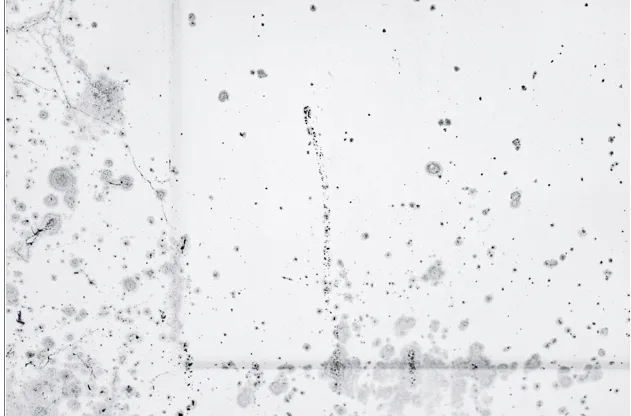
Mold is a quiet nuisance that often begins long before you notice a discolored patch on the drywall or catch a faint, musty smell in the basement. When ambient humidity creeps above 60 percent or an undetected pipe leak dampens building materials, fungal spores can germinate within 24 to 48 hours. If left unaddressed, what begins as a localized hygiene concern can slowly compromise structural elements and lower indoor air quality.
Understanding how mold spreads, what materials it targets, and how far its damage extends helps homeowners make informed decisions about repairs and remediation before minor moisture problems turn into extensive structural renovations.
How Mold Interacts with Building Materials
Modern homes use organic, cellulose-rich materials that provide ideal food sources for fungal growth. Wood framing, drywall facing, subflooring, and paper-backed insulation absorb moisture readily, allowing hyphae, the thread-like structures of mold, to penetrate deep into the material rather than remaining on the surface.
As mold feeds on these organic compounds, it breaks down the material’s cellular integrity. Over extended periods, this biological breakdown weakens structural framing and degrades interior finishes, making simple surface cleaning ineffective for long-term restoration.
Drywall and Insulation Breakdown
Drywall is particularly vulnerable to moisture intrusion. The paper backing on gypsum boards traps moisture, providing an optimal environment for spores to colonize the hidden cavity behind your walls. Once mold takes root inside a wall cavity, insulation acts like a sponge, drawing water upward and spreading fungal spores across adjacent structural studs.
In many cases, soft or bowed drywall cannot be salvaged. Removing and replacing affected sections becomes necessary to ensure the interior air space remains clean and free of airborne contaminants.
Wooden Framing and Subflooring Deterioration
Unlike non-porous surfaces, structural lumber and plywood subflooring absorb moisture deep into their grain. Over time, persistent dampness allows wood-decay fungi to compromise the load-bearing capacity of floor joists and wall studs.
Sagging floorboards, sticking doors, and visible gaps along baseboards often point to underlying moisture damage beneath the surface. When subflooring loses its structural strength, simple cosmetic fixes are no longer enough, and structural repairs become essential to maintain safety.
Financial and Market Valuation Impacts
Beyond the physical degradation of building materials, unaddressed mold growth carries significant financial consequences for property owners. Home sales often hit snags during the inspection phase when unmitigated moisture issues surface. Buyers are naturally hesitant to take on properties with active biological growth, often demanding steep price concessions or walking away from transactions entirely.
Real estate assessments indicate that severe, untreated mold can reduce a home’s resale value by up to 37% because of perceived risks and expected repair costs, according to Agni. Addressing moisture sources promptly preserves the building’s structural integrity and long-term market value.
When dealing with widespread moisture intrusion, homeowners should contact AAA Restoration to evaluate the full scope of structural impact and restore affected areas safely. Early intervention reduces the need for large-scale demolition and protects surrounding building assemblies from secondary damage.
The Physical Signs of Advanced Structural Damage
Recognizing early warning signs allows property owners to intervene before mold undermines major structural systems. While visible discoloration is a clear indicator, structural degradation often shows up as subtle changes in the home’s architecture and indoor environment.
Homeowners should monitor their living spaces for specific indicators of hidden moisture damage:
- Persistent musty odors that remain strong even after surface cleaning and ventilation
- Spongy or sagging floorboards near plumbing fixtures, exterior walls, or subfloor crawlspaces
- Cracking paint, peeling wallpaper, or bubbling plaster along interior partition walls
Identifying these symptoms early helps narrow down the moisture source, allowing targeted repairs before surrounding framing is compromised.
Professional Remediation versus Surface Cleaning
Bleach and store-bought spray cleaners might scrub surface staining from non-porous tiles, but they cannot reach mold hyphae embedded within porous materials like drywall or wooden studs. Applying liquid cleaners to porous materials often adds extra moisture to the substrate, accelerating growth behind the surface.
Professional remediation focuses on containment, moisture control, and selectively removing affected materials. Specialized technicians set up negative-pressure zones and use HEPA filtration to keep microscopic spores from settling in unaffected areas of the home during cleanout.
The total cost of addressing fungal growth varies significantly based on how early the problem is caught. Residential mold remediation pricing depends heavily on square footage, accessibility, and the level of structural demolition required to clear contaminated cavities.
Protecting Your Home Investment Over Time
Preventing long-term damage requires consistent moisture management across every level of the home. Maintaining indoor relative humidity below 50 percent, ensuring adequate attic and crawlspace ventilation, and promptly repairing roof leaks or plumbing drips remain the most effective defenses against fungal growth.
Regular inspections of hidden spaces, such as basements, utility closets, and under-sink cabinets, help you catch minor leaks before mold can take hold. For more practical maintenance guides and structural care tips, review our related articles on maintaining healthy indoor environments.