Septic System Care for Mid North Coast Homeowners: What You Need to Know
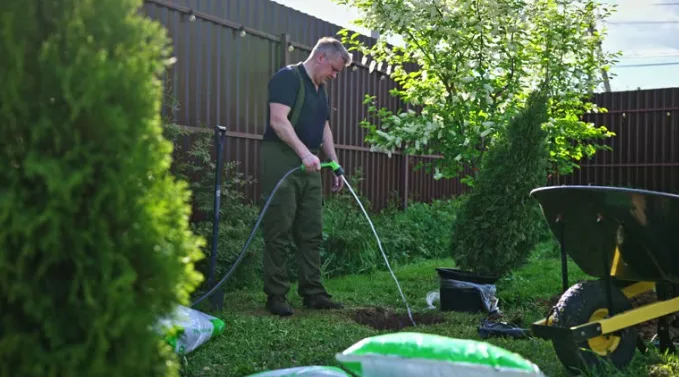
If you live on acreage or in a small coastal village on the Mid North Coast, there’s a good chance your home isn’t connected to mains sewer. That means a septic or wastewater system quietly does the work every time you flush, shower or run the washing machine.
Most people don’t think about it until something goes wrong. A little knowledge goes a long way toward avoiding smells, soggy lawns and costly repairs.
How a septic system works, in plain English
Wastewater from your house flows into a tank, where solids settle to the bottom as sludge and fats and oils float to the top as scum. The liquid in the middle moves out to a drain field or treatment area, where the soil naturally filters and treats it.
There are several kinds of systems, and the right one depends on your block:
- Tank and trench systems are a common, traditional choice
- Sand filters provide extra treatment before water is released
- Evapotranspiration beds and reed beds use plants and soil to treat and absorb wastewater
- Aerated wastewater treatment systems (AWTS) use oxygen to speed up treatment and suit smaller or more challenging sites
Soil type, slope, block size and proximity to waterways all affect which system is approved. That’s why a proper site and soil assessment matters before anything is installed.
Everyday habits that protect your system
A healthy system comes down to a few simple habits:
- Go easy on what goes down the drain. Wet wipes, sanitary products, nappies and cooking fat can clog or damage a system, even if they’re labelled “flushable”.
- Use gentle cleaning products. Harsh chemicals and excess bleach can harm the bacteria that break down waste.
- Spread out your water use. Running multiple loads of washing in one day can overwhelm a system. Spacing them out gives it time to cope.
- Fix leaks promptly. A dripping tap or running toilet adds a constant flow of extra water.
- Protect the drain field. Don’t drive over it, build on it or plant deep-rooted trees nearby.
Warning signs to act on early
Septic problems rarely appear overnight. Watch for:
- Slow drains or gurgling plumbing
- Bad smells inside or around the yard
- Wet, spongy or unusually green patches over the drain field
- Water pooling near the tank
- Alarms on aerated systems
If you notice any of these, don’t wait. Small issues are usually much cheaper to fix than a failed system.
Regular inspections and cleaning
Like a car, a septic system performs best when it’s maintained. Routine inspections can catch problems early, while sludge removal and tank cleaning stop solids building up and escaping into the drain field. If your system has pumps, those need checking too, and so does the drain field itself.
How often your system needs attention depends on its type, the number of people in your household and how much water you use, so it’s worth asking a professional for a schedule that fits your property.
Building or replacing? Get the approvals right
If you’re building a new home, adding a granny flat or replacing a failing system, you’ll need the right design and council approval. The process generally involves:
- A consultation and site assessment
- Soil and percolation testing
- System design suited to your block
- Council approval
- Installation and commissioning
Local knowledge is a big advantage here. Soil conditions and council requirements vary from town to town, and an installer who knows the area can save you time and rework.
Choosing a local provider
When you’re comparing providers, ask whether the same team handles design and installation, whether the work is done in-house or subcontracted, and whether tradespeople are licensed and insured. Free quotes and a tidy site afterward are also good signs.
On the Mid North Coast, one option is Mid Valley Septics, a family-run wastewater business covering areas from Grafton and Coffs Harbour down through Kempsey, Port Macquarie and Taree. They handle everything from site assessment and design through to installation, inspections, tank cleaning and emergency repairs, with the work done by their own licensed team rather than subcontractors.
A quick checklist for homeowners
- Know what type of system you have and where the tank and drain field are
- Keep records of installation and past maintenance
- Book regular inspections
- Be careful what goes down the drain
- Act quickly on any warning signs
- Use a licensed, locally experienced provider for any new work
Final thoughts
A well-designed, well-maintained septic system can serve a property reliably for years. The key is to understand it, look after it, and get help early when something doesn’t seem right. Your system works hard out of sight, so a little attention goes a long way.