How Modern Technology Is Changing Hair Transplants
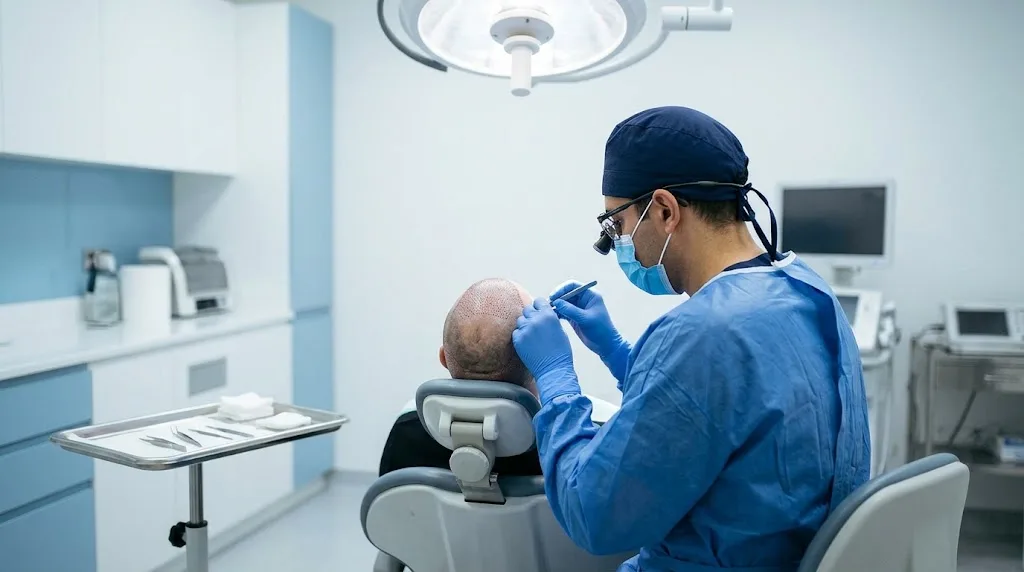
Hair restoration has changed a great deal over the last decade. Procedures that once depended almost entirely on manual work and visual estimates are now supported by high-resolution scalp imaging, fine extraction tools and standardized implantation techniques. For patients, this generally means shorter procedures, less trauma to the skin and more predictable planning.
Why Traditional Approaches Had Limits
Anyone researching hair loss soon finds that choosing the right approach is not simple. Judging donor capacity by eye, deciding how many grafts the scalp can safely provide and designing a natural hairline all take time and experience. Older methods also came with drawbacks:
- Longer time outside the body: The longer a follicle remains outside the skin, the lower its chances of surviving after implantation.
- Greater room for human error: Estimating graft numbers or implantation angles by eye can lead to uneven density or an unnatural look.
- Slower recovery: Larger incisions and more tissue trauma usually mean longer healing.
These challenges become more noticeable in complex cases, such as large sessions, afro-textured hair or patients with a limited donor area.
The Tools That Make a Difference
Modern clinics rely on several technologies that improve precision at different stages of the procedure.
Digital scalp analysis (trichoscopy)
High-magnification imaging measures hair density, shaft thickness and the pattern of hair loss. This helps the surgeon plan how many grafts are realistic and where they should go.
Micro-motor extraction
In Follicular Unit Extraction, small punches remove individual follicular units from the donor area. Fine, well-controlled tools help limit damage to the surrounding tissue and to the grafts themselves.
Sapphire blades and implanter pens
Fine sapphire blades are used to open the recipient channels, while implanter pens, such as the Choi pen used in DHI, place each graft at a chosen angle and depth.
None of these tools is magic on its own. Together, though, they help standardize the steps that used to vary from one operation to the next, and they help keep graft handling time short.
FUE and DHI: Two Techniques, One Goal
Both methods work with individual follicular units, but they differ at the implantation stage. In FUE, the recipient channels are opened first and the grafts are placed afterwards. In DHI, the graft is loaded into a pen and implanted directly. The right choice depends on the donor area, the extent of hair loss and the density the surgeon wants to reach. Readers who want a step-by-step explanation can find a detailed overview of FUE hair transplant and how the procedure is carried out.
Technology Supports the Surgeon, It Does Not Replace Them
Many patients feel uneasy about devices playing a role in something that affects their appearance. In practice, technology takes care of the repetitive and precision-heavy tasks, while the surgeon makes the decisions that require experience: designing a hairline that suits the patient’s facial proportions, choosing the direction of each graft and planning for future hair loss. The best results come from skilled professionals using modern tools, not from the tools alone.
More Comfortable Options Than Before
Advances in technique have also introduced more comfortable options. One example is the no-shave hair transplant, where only small sections of the donor area are trimmed. This allows many patients to return to daily life sooner and keeps the procedure more discreet. Supportive treatments such as PRP and mesotherapy are also commonly used alongside surgery to support healing and the health of existing hair, although their benefit varies from person to person.
What to Ask When Choosing a Clinic
Whether you are comparing clinics at home or abroad, a few questions are worth asking before you decide:
- Who performs the key steps of the procedure, and what are their qualifications?
- Which technique (FUE, DHI or a combination) is recommended for your case, and why?
- How will the donor area be assessed, and how many grafts are planned?
- What does the aftercare and follow-up process look like?
Many patients choose to travel for treatment, and Turkey has become one of the most popular destinations for it. Clinics such as Celyxmed offer hair transplant in Turkey with a focus on personalized planning, modern techniques and structured aftercare.
What Comes Next
Research continues in areas such as exosome-based therapies, improved graft storage solutions and digital tools that simulate expected results before surgery. These developments are still evolving, but they point toward more accurate planning and a more comfortable patient experience.
Final Thoughts
Modern technology has made hair transplants more precise and less invasive, but results still depend on realistic expectations, careful planning and an experienced surgical team. A thorough consultation and an honest assessment of your donor area remain the most important steps for anyone considering the procedure.