The Strange History of Slot Machines in Germany
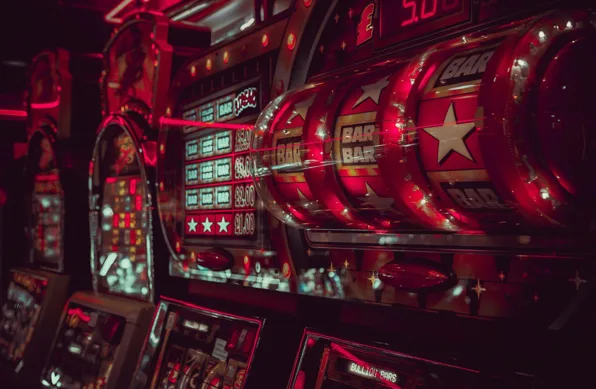
Germany has a famously complicated relationship with the humble slot machine. From smoky corner pubs in the 1950s to today’s state-regulated online platforms under the GGL, the country has spent more than seven decades negotiating what a reel-spinning device is actually allowed to do. The result is a legal and cultural history unlike anywhere else in Europe—and one that still shapes how Germans play today.
Post-War Beginnings: The Birth of the Geldspielgerät
The first commercial slot machines appeared in West German pubs in the early 1950s, where they were classified not as casino equipment but as Geldspielgeräte mit Gewinnmöglichkeit—money-gaming devices with a chance of winning. Lawmakers wanted a clear line between hard casino gambling, confined to licensed Spielbanken, and lighter amusement machines operated in hospitality venues. That distinction, drawn in the Gewerbeordnung, still echoes in German slot law today.
Early machines were mechanical, paid out small coin prizes, and were capped by law on stake size, win size, and playing speed. The compromise was uniquely German: tolerate slots, but strictly throttle them.
The Merkur and Bally Wulff Era
From the late 1970s onward, two names came to define the German pub slot: Merkur (Gauselmann) and Bally Wulff. Their cabinets, with the famous Merkur sun logo, became fixtures in Gaststätten and dedicated Spielhallen. Titles evolved from simple fruit reels into feature-rich games with risk ladders, hold buttons, and the iconic Merkur gamble feature.
Players outside Germany are often surprised to learn that these games were engineered around a legal 5-minute minimum round structure, with mandatory pauses, limited losses per hour, and strict maximum payouts—rules very different from the Vegas model.
Spielhallen, Reunification, and the 2000s Boom
After reunification in 1990, Spielhallen expanded rapidly across the new federal states. Through the 2000s, dense clusters of arcades appeared in city centres, which triggered a political backlash. The Glücksspielstaatsvertrag treaties, particularly the 2012 revision, imposed minimum distance rules between venues, bans on advertising near schools, and shorter opening hours.
At the same time, international online operators began targeting German players with online slots that bore little resemblance to the restrained pub cabinets. For years, this created a grey market that regulators struggled to address.
The 2021 Treaty and the Rise of Licensed Online Slots
In July 2021, the new Glücksspielstaatsvertrag finally legalised virtuelle Automatenspiele—online slots—under a federal licence overseen by the GGL in Halle. The rules are famously strict, and online review platforms such as cazinouri.de have documented how they reshape gameplay: a one-euro stake cap, a mandatory five-second spin, no autoplay, no jackpots, a monthly deposit limit of 1,000 euros, and a cross-operator player file called OASIS.
In other words, Germany did to online slots what it once did to pub machines: allow them, but tame them.
Why the German Model Still Feels Unusual
Compared with Malta or the UK, the German approach can look eccentric. Yet, it reflects a long tradition of treating slots as a regulated consumer product rather than pure entertainment:
- Stake and speed caps instead of free-market design.
- Separation of Spielbanken, Spielhallen, and online slots into distinct legal silos.
- Player protection tools baked into the law, not left to operators.
- Federal oversight through the GGL, replacing fragmented state rules.
A History Still Being Written
Germany continues to debate advertising limits, channelisation rates, and whether tighter rules push players back to unlicensed sites. What began as a modest pub amusement in the 1950s has become one of Europe’s most tightly engineered gambling markets. As always, slots are best enjoyed as entertainment, with a clear budget and firm personal limits.