One Packaging Line, Many Products: How Robotics Supports Changing Customer Demands
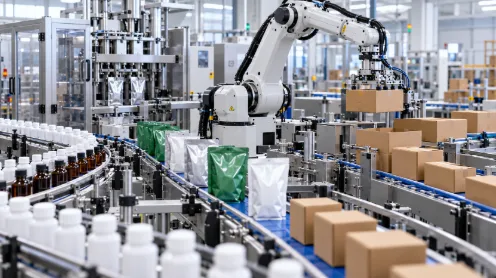
A company might sell the same product in three sizes, two types of packaging, and several different bundle options. A promotion introduces another format, while a retail customer asks for a special case quantity. None of these requests seems unusual on its own. Together, however, they can make everyday packaging far more complicated than it used to be.
For manufacturers, the challenge is no longer just producing a large number of identical items. It is keeping different products moving without turning every new order into a lengthy packaging adjustment. A thoughtfully designed Robotic Packaging Line can help businesses organize product feeding, picking, case packing, inspection, and palletizing around the formats they actually handle. The important starting point is understanding the variety of orders a factory must fulfill.
Why Product Variety Changes the Packaging Job
A production line handling one carton size all week can settle into a familiar routine. Employees know where supplies belong, machines use the same settings, and finished cases follow a predictable stacking pattern.
Now imagine the same factory switching between small retail packs, larger family-size products, and promotional multipacks. Each format may need a different carton, product arrangement, or pallet pattern. Even if manufacturing is completed on time, the packaging department must be ready for the next order.
This is often called a high-mix environment: many product variations share equipment and floor space. The goal is not to make every product identical. It is to design a process that handles planned differences without confusion.
Build a Clear Picture of the Product Range
Before deciding which operations to automate, manufacturers should list the products they regularly package. This may sound basic, but a single product family can contain more variations than the team expects.
Useful details include:
- Pack dimensions: The smallest, largest, and most common sizes.
- Container type: Bottles, bags, pouches, tubs, or other formats.
- Order patterns: Regular products, seasonal items, and occasional special runs.
- Case requirements: How many units go into each shipping carton.
- Handling limits: Items that must stay upright or need special support.
A product list makes it easier to distinguish the formats that must run automatically from those that can be handled through a separate process. It also stops rare exceptions from unnecessarily driving the design of the whole line.
Treat Short Production Runs as Normal Work
Small-batch production creates a particular challenge. If a factory packages only a few hundred units of one format before switching to another, setup time becomes a large part of the working day. A very fast machine is not much help if it takes longer to prepare than the order takes to finish.
This is why production teams should look at more than maximum output per minute. They need to consider how often settings change, how many people are needed for each change, and how reliably the next run begins.
A flexible system can be valuable when it supports the formats a business uses most often. But the realistic number of changes per shift matters more than a general promise that a machine can handle many products.
Plan for Packaging Formats, Not Only Product Sizes
Two items with similar dimensions may still require completely different packaging methods. A rigid bottle can stand upright on a conveyor, while a flexible pouch may need additional support. A promotional bundle may need several items placed together before it enters a case.
Robotic equipment can use different end effectors, product guides, and operating programs depending on the application. Some adjustments can be made through stored settings; others require physical tooling changes.
Manufacturers should ask which variations are genuinely supported by the proposed equipment and what an operator must do when switching between them. Understanding these details early avoids the mistaken assumption that a programmable robot automatically makes the entire line flexible.
Make Product Changeovers Easy to Repeat
A good changeover should not depend on one experienced employee remembering a long series of informal adjustments. Written procedures, clearly identified tools, and approved machine settings can make the process more consistent.
For example, operators might follow a standard sequence for removing the previous packaging material, selecting the next product recipe, checking guides, and confirming that the first completed case is correct.
Simple visual instructions near the workstation can help. So can keeping frequently used tools and parts in designated locations. These practices are useful whether the line is fully automated or combines robotic stations with manual work.
The purpose is to reduce guesswork, not to rush necessary safety or quality checks.
Keep Orders and Packaging Materials in Sync
Even an adaptable machine cannot pack an order if its cartons, labels, or trays are missing. With more product variations, the risk of loading the wrong material can increase.
Production planners, warehouse teams, and packaging operators need reliable information about what will run next. Before a shift begins, they can check that the correct materials are available and that each station has the right instructions.
Where suitable systems are installed, product identification and control signals may help machines select or verify certain settings. These functions should be specified and tested rather than assumed to be included with every robotic line.
Good coordination prevents avoidable stops and makes short runs less stressful for the people operating the equipment.
Avoid Mixing Similar-Looking Products
Multiple product versions can look almost identical. Different scents of a household cleaner, for instance, may use the same bottle shape but have different labels and shipping requirements. Picking the wrong version can turn an otherwise correctly packed carton into a customer complaint.
Packaging plans should therefore include clear product identification and defined checks at appropriate points. Depending on the application, these may involve barcode readers, vision inspection, or controlled material presentation.
Technology is only one part of the answer. Clear storage locations, accurate work orders, and staff checks also matter. The chosen controls should reflect the consequences of a mix-up and the specific requirements of the product category.
Think About New Product Launches Before They Happen
New products often arrive with deadlines set by sales or marketing teams. The packaging department may receive new artwork, carton dimensions, or bundle arrangements shortly before the launch.
If equipment is already operating near its practical limits, even a modest format change can require unexpected engineering work. Including packaging staff early in launch planning gives them time to review the new item and request trials.
A business does not have to predict every future product. It can, however, establish reasonable ranges for dimensions, weights, and materials that new formats should follow wherever possible. That makes conversations about future equipment changes much more practical.
Compare Flexibility With the Cost of Complexity
More options are not always better. A machine that supports a very wide range of formats may need additional tooling, controls, training, or maintenance. If the factory uses only a handful of those formats, the extra capability may never pay for itself.
An investment review should consider the products currently sold, realistic future additions, the frequency of changes, and the cost of keeping separate packaging routes. It should also account for the time spent validating each format.
Sometimes a versatile robotic station is sensible. In other cases, a dedicated station for the highest-volume product and a simpler route for occasional orders may be the better choice. Matching the system to actual demand is what makes flexibility useful.
Ask the Right Questions When Exploring Automation
Packaging equipment providers need specific examples, not just a request for a flexible machine. Sharing samples, dimensions, expected volumes, and examples of difficult orders makes it easier to discuss suitable handling methods.
When exploring a Robotic Packaging Line, manufacturers can ask which packaging formats are supported, how changes are completed, whether different grippers are necessary, and how the proposed system fits existing conveyors and case-packing equipment. It is also worth asking what testing will demonstrate reliable performance across the agreed product range.
Clear answers create a more useful foundation for a project than broad claims about automation speed.
Conclusion
For businesses considering packaging equipment that can be tailored to different products and factory requirements, pallasmt.com presents robotic packaging solutions that bring together automated handling, product feeding, inspection, case packing, and palletizing. Evaluating those options against a detailed list of real packaging formats can help manufacturers decide what level of flexibility makes sense for their operation.
Customer preferences, product ranges, and order sizes will continue to change. Manufacturers that understand their packaging variations, keep materials organized, and develop repeatable operating methods are better prepared to respond. Robotics can be part of that approach when it is selected for genuine production needs, allowing a packaging operation to serve today’s orders while remaining practical for tomorrow’s new products.