How Low-Maintenance Landscaping Is Changing the Way UK Homeowners Use Their Gardens
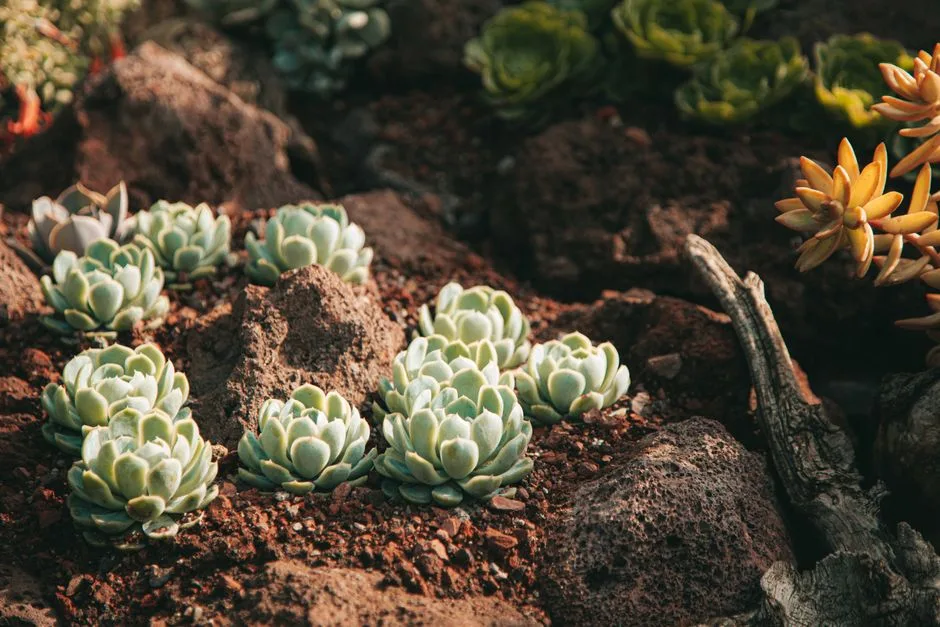
Gardens have become much more than somewhere to grow plants or hang out the washing. For many UK homeowners, outdoor spaces now serve as extensions of their homes, providing somewhere to entertain guests, relax after work and spend time with family.
However, maintaining a traditional garden can be time-consuming, particularly for households balancing busy schedules and other responsibilities.
As a result, low-maintenance landscaping has become an increasingly appealing option for homeowners looking to make better use of their outdoor space without committing to hours of weekly upkeep.
From durable garden surfaces to practical planting schemes, there are several ways to create an attractive garden that’s easier to manage throughout the year.
Why Homeowners Are Prioritising Practical Gardens
The way people use their gardens has changed considerably.
Rather than focusing entirely on decorative planting and traditional lawns, many homeowners now want spaces that support different activities.
A garden might need to accommodate outdoor dining, children’s play equipment, pets and somewhere comfortable to sit.
For households with limited outdoor space, achieving this balance can be particularly challenging.
Maintenance is another important consideration.
Regular mowing, weeding, watering and seasonal gardening tasks can take up valuable time, especially during the warmer months.
Although gardening can be enjoyable and beneficial for wellbeing, not everyone has the time, physical ability or interest to maintain a demanding outdoor space.
Low-maintenance landscaping offers an opportunity to create a garden that fits around everyday life.
Choosing Surfaces That Suit Modern Lifestyles
One of the biggest decisions when redesigning a garden is choosing the right ground surface.
Natural lawns remain popular because of their appearance, environmental benefits and suitability for outdoor activities.
However, they require regular care and can struggle in areas with poor drainage, heavy foot traffic or limited sunlight.
For homeowners looking for alternatives, options such as paving, decking, gravel and artificial grass can provide different levels of maintenance and functionality.
Synthetic lawns are often considered for gardens where mowing and lawn treatments are undesirable.
They can provide a consistent green appearance and may be useful in shaded areas where natural grass struggles to grow.
However, they still require cleaning and maintenance, particularly in households with pets.
Environmental considerations are also important. Artificial surfaces don’t provide the same habitat benefits as living lawns, and synthetic materials can contribute to plastic waste.
Homeowners should weigh these factors alongside appearance, installation costs and long-term practicality before deciding.
Making Better Use of Small Outdoor Spaces
Not every property has room for a large lawn, patio and dedicated planting areas.
In many urban homes, outdoor space is limited to a compact garden or courtyard.
Fortunately, thoughtful landscaping can make even a small area feel more spacious and functional.
One approach is to divide the garden into clearly defined zones.
A paved seating area might provide somewhere for outdoor meals, while a smaller section of lawn or another suitable surface could accommodate children’s activities.
Vertical planting can also help maximise available space.
Climbing plants, wall-mounted planters and raised beds introduce greenery without taking up large amounts of ground space.
Choosing furniture that folds away or provides additional storage can further improve practicality.
The aim is to create a space that feels comfortable and useful rather than overcrowded.
The Importance of Drainage and Weather Resistance
The UK’s unpredictable weather can present challenges for garden design.
Heavy rainfall, prolonged damp conditions and occasional periods of intense heat all affect how outdoor surfaces perform.
Drainage should therefore be considered before installing new landscaping materials.
Poorly planned paving or other impermeable surfaces can increase surface water runoff and potentially contribute to localised flooding.
Where appropriate, permeable paving, gravel and planted areas can help rainwater soak into the ground.
Homeowners considering synthetic lawns should also ensure that the installation includes suitable drainage arrangements.
The underlying ground conditions, preparation and installation method can influence how effectively water drains away.
Addressing these issues during the planning stage is generally easier than correcting them after the garden has been completed.
Balancing Convenience With Sustainability
Low-maintenance landscaping doesn’t have to mean removing every natural feature.
In fact, combining practical surfaces with carefully selected plants can create an outdoor space that’s both manageable and welcoming to wildlife.
Native planting, flowering shrubs and suitable ground-cover plants can provide seasonal interest while reducing the need for intensive maintenance.
Drought-tolerant planting may also help limit watering requirements during dry periods.
For homeowners who want to encourage biodiversity, even a small area of natural planting can make a difference.
Flowers that provide nectar for pollinators, shrubs offering shelter and areas of undisturbed soil can support garden wildlife.
It’s worth considering the environmental impact of materials too.
Durability, sourcing, maintenance requirements and eventual disposal all influence the long-term sustainability of a landscaping project.
Considering Long-Term Costs
When planning a garden renovation, it’s tempting to focus on the initial installation price.
However, ongoing maintenance and replacement costs should also be considered.
Natural lawns may require equipment, water and occasional treatments, while paving can need cleaning and repairs.
Decking may require regular care depending on the material, and synthetic surfaces will eventually need replacing.
The lifespan of any landscaping material depends on its quality, installation and how heavily it’s used.
Obtaining several quotations and understanding maintenance requirements can help homeowners make more informed decisions.
It’s also sensible to consider whether the chosen design will remain practical as household needs change.
A flexible garden layout may be easier to adapt in the future than one built around a single permanent feature.
Creating Outdoor Spaces That Add Everyday Value
A successful garden renovation isn’t necessarily about creating the most elaborate design.
For many homeowners, the real value comes from having an outdoor space that’s comfortable, accessible and easy to enjoy.
A simple seating area, practical pathways and thoughtfully chosen planting can make a noticeable difference.
Families may benefit from having somewhere children can play, while other households might prioritise outdoor dining or a peaceful place to relax.
The best landscaping choices are those that reflect how the space will actually be used.
Low-maintenance landscaping is helping homeowners rethink how they design and use their gardens.
By choosing suitable surfaces, improving drainage and incorporating practical planting, it’s possible to create outdoor spaces that require less intensive upkeep while remaining attractive and functional.
However, convenience should be balanced with environmental considerations, long-term costs and the needs of the household.
Whether a garden includes natural grass, synthetic surfaces, paving or a combination of materials, thoughtful planning is essential.
Ultimately, a well-designed outdoor space should make everyday life easier while providing somewhere homeowners genuinely enjoy spending time.