The Most Important Machine in Your House Is Probably Hiding in the Basement
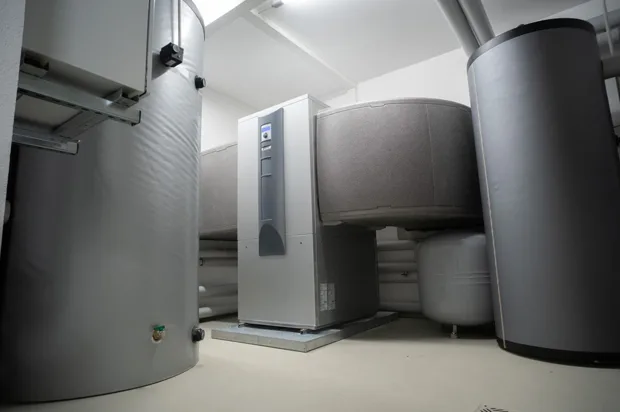
People pour attention into kitchens. They debate countertop colors for weeks, agonize over bathroom tile, and spend hours choosing the perfect TV. Meanwhile, tucked in a basement corner or utility closet, the hardest-working machine in the house hums along without a single compliment.
Then winter shows up. The first truly cold night hits, the thermostat clicks, and suddenly everyone remembers the furnace exists. If it fires up and warms the house, nobody gives it another thought. If it doesn’t, it instantly becomes the most important appliance on the property.
That’s why choosing experienced furnace installers Thornton CO homeowners can trust matters so much when it’s time for a new system. A furnace isn’t a gadget you swap out on a whim. It’s the quiet backbone of winter comfort for years to come.
Why Your Furnace Does More Than Keep You Warm
Sure, heat is the headline. But a furnace also shapes how evenly comfortable the whole house feels. A well-matched system keeps temperatures steady from room to room, so you’re not bundled in a sweater upstairs while the living room feels toasty.
It also plays a big role in air circulation. In forced-air homes, the furnace blower moves air through the ductwork and back through the filter. That movement helps distribute heat and keeps air from feeling stale in closed-up winter months.
In Colorado, reliable heating isn’t optional. Cold snaps can arrive fast and hit hard, sometimes with very little warning. When temperatures drop well below freezing, a dependable furnace protects comfort, health, and even the plumbing from freezing. It’s a big job for one quiet machine.
The Surprising Engineering Behind Heating an Entire House
Most homes in the area use forced-air furnaces, and the basic idea is clever. When the thermostat calls for heat, the furnace ignites fuel, usually natural gas, inside a sealed combustion area. That flame heats a component called the heat exchanger.
The heat exchanger is the key player. It gets hot, and the blower pushes household air across its outer surfaces. The air warms up without ever mixing with combustion gases, which are vented safely outside. Then the warm air travels through ductwork into each room.
The thermostat acts like the brain, telling the system when to start and stop. Safety controls work in the background, shutting the furnace down if something goes wrong, like overheating or a problem with ignition. It’s a surprisingly sophisticated dance happening every time the heat kicks on.
Why Bigger Isn’t Always Better When Choosing a Furnace
It’s tempting to think a bigger furnace means a warmer house. Not quite. An oversized furnace heats the house too quickly, then shuts off, then starts again. This short cycling can create uneven temperatures, extra wear, and wasted energy.
An undersized furnace has the opposite problem. It may run constantly on cold days and still struggle to keep up. That’s why professionals use heating load calculations, which consider insulation, windows, square footage, and other factors, to match equipment to the home’s actual needs.
Efficiency ratings and ductwork matter too. Higher-efficiency furnaces can use fuel more effectively, though they may have different venting requirements. And even a perfectly sized furnace won’t perform well if the ductwork can’t move air properly. The whole system has to work together.
The Warning Signs That an Old Furnace May Be Nearing Retirement
Frequent repairs are a big clue. If the technician has become a regular visitor, it may be time to weigh whether ongoing fixes still make financial sense. Repair bills have a way of adding up quietly.
Uneven heating and unusual noises deserve attention too. Rooms that never seem to warm up, or banging, rattling, and squealing sounds, can point to aging components or system problems. Rising energy bills without a clear explanation may also mean the furnace is working harder than it should.
Age matters as well. Furnaces don’t last forever, and older units may be less efficient than modern options. Still, age alone doesn’t decide everything. A professional evaluation can look at condition, safety, efficiency, and repair costs to help determine whether repair or replacement makes the most sense.
Conclusion
The furnace may not get the attention a new kitchen does, but it keeps the whole house livable through Colorado winters. Heat, steady temperatures, and air circulation all depend on it working well.
Choosing the right system means looking beyond size. Proper load calculations, appropriate efficiency, compatible ductwork, and careful installation all shape how well a furnace performs. Knowing the warning signs of an aging unit helps homeowners plan ahead instead of scrambling during a cold snap.
The best heating system is the one you barely notice. With thoughtful selection, quality installation, and regular maintenance, your furnace can quietly do its job season after season, keeping everyone comfortable without demanding constant attention.