Essential Gear and Safety Tips for Your Next Kayaking or Paddleboarding Adventure
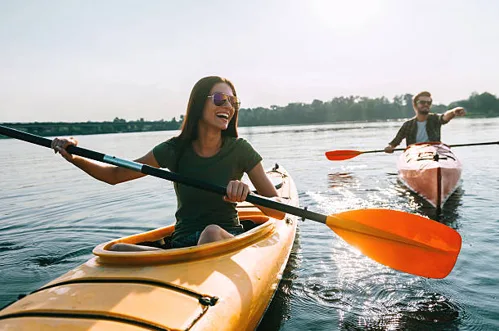
Paddlesports have experienced massive growth over the last few years, transforming from a niche hobby into a mainstream weekend activity. More than 34 million Americans participated in paddlesports in 2025, adding roughly 10 million casual and dedicated paddlers to the water since 2019. Stand-up paddleboarding has seen particularly notable demographic shifts. Industry data now indicates that female participants make up the majority of paddleboarders at 58 percent. This surge in popularity is easy to understand, given the low barrier to entry and the incredible physical and mental health benefits associated with spending time in nature.
The accessibility of these sports is a major draw, but it also creates unique challenges. Approximately 85 percent of recent paddlesports participants get on the water fewer than eight times a year. This highlights a massive influx of casual beginners who are drawn to the physical and mental benefits of the outdoors but who might lack basic gear and safety education. Whether you are gliding across a serene local lake or navigating gentle coastal waves, preparation is everything.
Eye Protection and Smart Accessories
Beyond staying afloat, protecting your body from the elements is crucial for a comfortable day on the water. Water surfaces reflect roughly 10 to 20 percent of ultraviolet radiation. This means kayakers and paddleboarders receive simultaneous, magnified UV exposure from both the direct sun above and the reflective glare below. The front surface of the human eye absorbs 99 percent of incoming UV radiation, making specialized, wrap-around eyewear just as essential as sunscreen. Extended, unprotected exposure to this glare can cause photokeratitis, also known as corneal sunburn, or pterygium. This condition is often called surfer’s eye, which can result in extreme pain and temporary vision loss.
Because paddleboarders frequently transition between calm water and sudden turbulence, equipment loss remains a common logistical complaint. Dropping high-value items like premium sunglasses into murky water can quickly ruin a great afternoon. Traditional eyewear retainers or bulky lanyards can easily become snagged on life jackets or rescue equipment, creating an unnecessary hazard. To avoid this problem, many enthusiasts are switching to glasses that float, completely eliminating the worry of losing them to the depths. Modern floating frames achieve their buoyancy through specialized ultra-lightweight polymers, such as TPX nylon. This advanced material possesses a lower specific gravity than water to ensure they stay afloat without the need for heavy foam attachments.
The Critical Role of Life Jackets
Despite being a largely peaceful activity, kayaking and paddleboarding carry very real risks. Calm flatwater can quickly turn into a turbulent challenge due to changing winds or boat wakes. In 2023, paddlesports accounted for nearly one in three (32.5 percent) of all recreational boating deaths in the United States, even as overall powerboating fatalities trended downward. Furthermore, stand-up paddleboarding fatalities saw an alarming 164 percent increase in 2024, surging to 29 deaths according to Coast Guard data.
A lack of experience combined with a lack of protective gear is a dangerous mix. Nearly three-quarters of individuals who died in paddling accidents recently had less than 100 hours of experience in the activity. This underscores the severe risks facing newcomers who lack proper safety preparation. The United States Coast Guard and the American Canoe Association consistently highlight that failing to wear a properly fitted personal flotation device, or PFD, is the primary contributing factor in fatal incidents. Modern PFDs are slim, comfortable, and designed specifically for a paddling range of motion, meaning there is no excuse to leave them on the dock.
Your Basic Paddlesports Checklist
The global canoeing and kayaking equipment market is projected to reach 1.2 billion dollars by 2032, driven heavily by consumer demand for specialized safety gear. While it is easy to get overwhelmed by the options, a safe trip really only requires a few fundamental items.
- Properly Fitted PFD: Always wear a Coast Guard-approved life jacket that fits snugly and is designed for your specific weight and water activity.
- Whistle or Sound Device: Often required by local maritime laws, a loud whistle is the most effective way to signal for help if you get separated from your group.
- Ankle or Calf Leash: For paddleboarders, a leash keeps your most buoyant asset (your board) attached to you during a fall, preventing it from blowing away in high winds.
- UV Defense: Protect your skin and eyes by bringing a wide-brimmed hat, UPF-rated clothing, water-resistant sunscreen, and buoyant UV-blocking sunglasses.
- Communication Device: Keep a fully charged mobile phone or a handheld VHF radio secured inside a reliable waterproof pouch.
Being properly prepared does not take the fun out of paddling. In fact, it allows you to relax and enjoy the scenery with complete peace of mind. By respecting the water, understanding the environmental risks, and bringing the right protective gear, your next outdoor adventure will be memorable for all the right reasons.