Frayed Garage Door Cables: A Warning Sign Not to Ignore
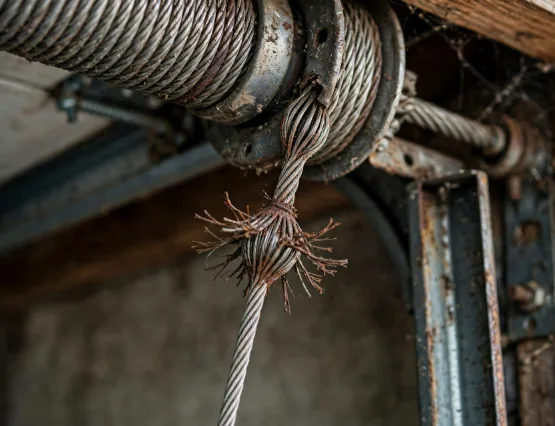
The lift cables on a garage door carry the full weight of the door’s panels. Each cable runs over a drum and works together with the springs to balance the door. When a cable frays, the balance changes, the load shifts to the other components, and the door becomes dangerous to operate. Many homeowners notice a fraying cable only after it snaps, which is why a regular look at the cables is so valuable.
How lift cables work
Most sectional garage doors use two lift cables, one on each side. The cables wind around a drum at the top of the track as the door moves up and down. The springs provide the force that lifts the door, and the cables guide that force evenly across the panels. If one cable fails, the door can drop unevenly, jam in the track or fall. The spring on that side may also be strained or damaged.
Signs of a frayed cable
Look for broken strands, a bulge where the wire has split open, kinks or rust along the length of the cable. This bulge is sometimes called bird-caging, and it is a clear sign that the cable has reached the end of its life. Check both sides of the door, because the cables often wear at different rates. A cable that looks fine from a distance may show damage when you look closely at the portion that runs over the drum.
Why fraying is dangerous
A frayed cable can snap without warning. When it does, the door may drop suddenly, and the spring that was balanced by the cable can release its tension. The door can also swing or tilt, which can cause injury or damage to a vehicle parked in the garage. Because the cable carries a heavy load, the failure happens fast, and there is rarely time to react.
What not to do
Do not wrap the cable with tape, try to splice it, or attempt to replace it yourself. Do not release the tension on a spring to take the cable off, because the spring can release with great force. Do not stand under a door that is hanging or unbalanced. These are common causes of serious injuries, and they can also damage the door further.
What a technician does
A professional will first secure the door and release the spring tension safely. They will then replace the cable on the correct drum, check the drum, pulleys and bearings, and inspect the springs for wear. Finally, they will test the balance and the safety reverse before returning the door to service. A thorough repair often covers the cables, springs and hardware in one visit, which avoids a second call later.
How long cables last
Cable life depends on the door’s weight, the number of cycles and the environment. A door that runs many times a day will wear its cables faster than one used only occasionally. Moisture and salt air can speed up corrosion. Replacing cables along with worn springs is often more economical than replacing them one at a time, because the components age together.
Routine checks you can do
Once every few months, look at the cables from the floor with the door closed. Check for fraying, rust and kinks. Make sure the cables are seated on the drum and that they are not rubbing against the track. Listen for unusual sounds during operation. If you notice a change, keep the door closed and call for an inspection rather than waiting for the cable to fail.
Why New Haven, CT homeowners should act early
Cold winters and salty air can accelerate corrosion on steel cables, so inspecting them regularly is especially useful in coastal areas. A technician in the New Haven area can check the cables, springs and track during a routine inspection, and they can recommend replacement parts that suit the door’s weight and cycle use. Catching a frayed cable early means a planned repair rather than an emergency call.
For a professional inspection, visit our garage door service in New Haven, CT page to learn about the repair options available. You can also explore the full range of services on the Century Garage Door Service homepage.
The bottom line
A frayed cable is a warning sign, not a cosmetic issue. Treat it with respect, keep people away from the door, and arrange a professional repair. A few minutes of inspection each season can prevent a dangerous failure and keep the door balanced, quiet and secure for years to come.
Frequently asked questions
Can I replace a frayed cable myself? No. Replacing a lift cable requires releasing spring tension, which can cause serious injury if done incorrectly. A trained technician should handle the repair and test the balance afterward.
How long do garage door cables usually last? It depends on the door’s weight, how often it is used and the local climate. Cables on heavily used or heavy doors can wear sooner, so an inspection once or twice a year is a sensible habit.
Should I replace the springs at the same time? Often yes. The springs and cables work together and age at similar rates. A technician can check both and recommend whether replacing them together is the more economical choice.