Everest Base Camp Helicopter Tour vs Helicopter Return Trek vs Manaslu Circuit Trek: Costs and Difficulty
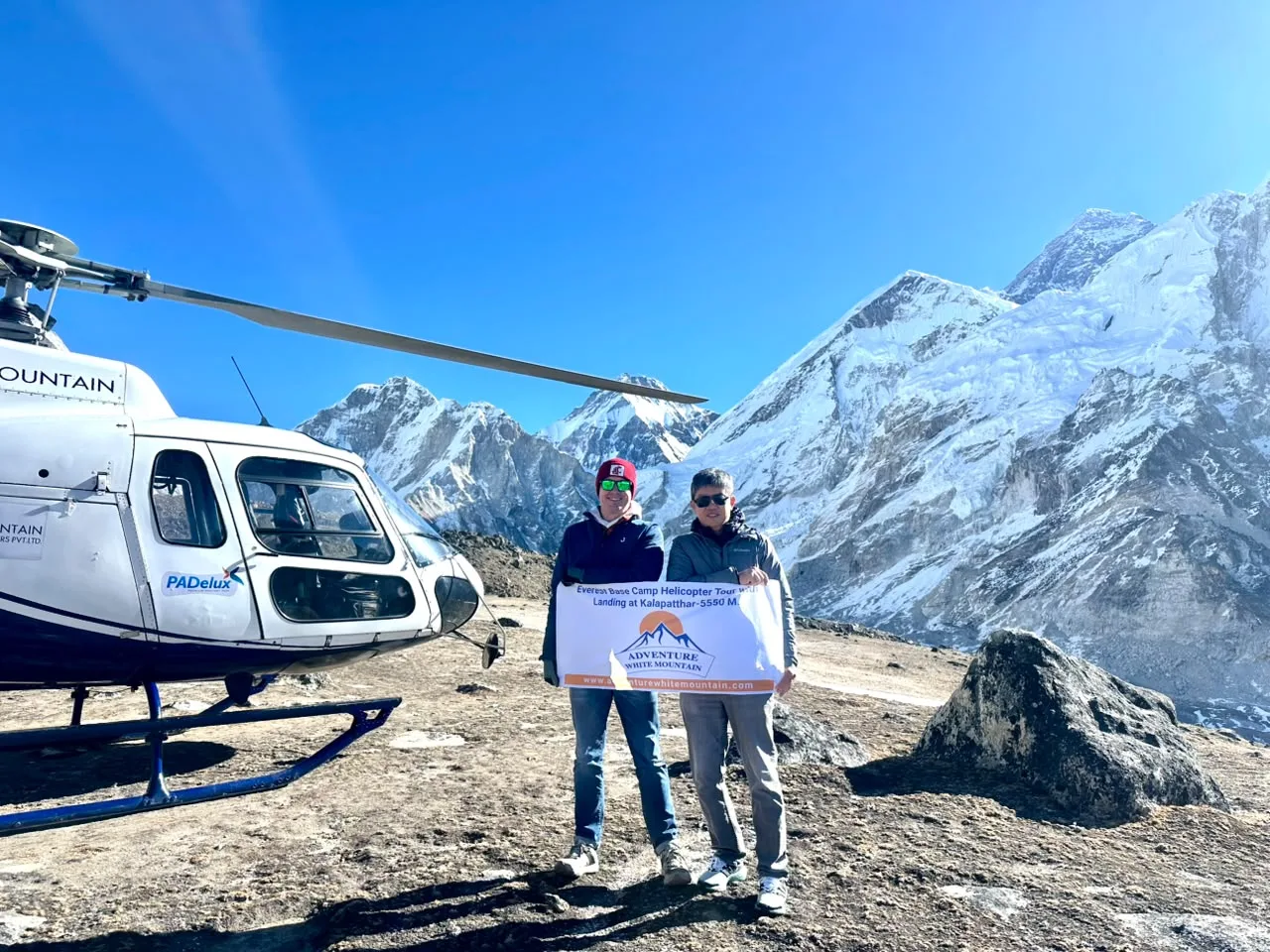
A lot of people land on this comparison because they’re stuck. They want to see the Himalayas, maybe even stand somewhere close to Everest, but they’ve only got a week off work, or they’re not sure their knees and lungs are up for two weeks of walking at altitude, or they just can’t decide if paying extra for a helicopter is actually worth it.
There are three fairly different ways to approach this. The Everest Base Camp Helicopter Tour gets you up into the mountains for a few hours without any trekking at all. The Everest Base Camp trek with Helicopter Return has you walk in through the Khumbu on foot and then fly back out, which saves days of retracing your steps. And the Manaslu Circuit Trek is its own thing entirely — a longer, quieter route through remote villages that crosses a genuinely tough high pass.
This article walks through how much time each one actually takes, how hard they are on your body, what they tend to cost, how altitude plays into each, and what you can realistically expect once you’re there.
Everest Helicopter Tour vs Helicopter Return Trek vs Manaslu: Quick Comparison
It’s worth saying upfront — these three trips aren’t really substitutes for one another. One is a scenic flight. One mixes trekking with a helicopter transfer at the end. One is a full trekking circuit with no helicopter involved unless you add one yourself. Picking between them mostly comes down to how much time you have and how much walking you actually want to do.
| Factor | Everest Helicopter Tour | EBC Trek + Heli Return | Manaslu Circuit |
| Typical duration | 4–6 hours | 9–12 days | 12–16 days |
| Physical difficulty | Low exertion | Challenging | Challenging to strenuous |
| Approx. cost per person | 1,800 shared | 3,500 | 2,200 |
| Highest key point | Kala Patthar area, if permitted | EBC, 5,364 m | Larkya La, roughly 5,106 m |
| Main experience | Mountain scenery from the air | Everest trekking plus a flight out | Remote Himalayan trekking |
| Main concern | Weather and fast altitude exposure | Acclimatization and fitness | Long days and the high pass |
A quick note on those numbers: they’re planning ranges based on how these trips are typically run, not quotes pulled from a specific operator. Rates move with the season, group size, and permit costs, and a helicopter landing near Kala Patthar is never guaranteed — it depends on weather and pilot judgment on the day. Confirm current pricing and itinerary details before you book anything.
Everest Base Camp Helicopter Tour: What Do You Actually Experience?
The Everest Base Camp Helicopter Tour usually starts early, before sunrise if the operator can manage it, because morning air tends to be calmer and the views are clearer. You lift off from Kathmandu, track toward Lukla and the Khumbu valley, and within half an hour or so the real mountains start showing up — Everest, Lhotse, Nuptse, Ama Dablam, all stacked up against the sky in a way that photos never quite capture.
A typical flight runs somewhere around 4 to 6 hours depending on the route and whether there are stops built in. Plenty of itineraries include a breakfast stop near Hotel Everest View, which sits at a genuinely high altitude itself and gives you a chance to stretch your legs and look around properly instead of just glancing out a window.
Where exactly the helicopter lands, or whether it lands near Base Camp at all, depends on weather, aviation restrictions in the area, and the pilot’s call on the day. This is worth repeating because people sometimes book expecting a guaranteed touchdown spot, and that’s just not how it works. Clear mountain views in the morning can turn into cloud and wind within an hour.
It’s also worth knowing that flying up quickly doesn’t remove altitude risk. Jumping to a high elevation in a matter of hours, even briefly, can still trigger symptoms in some people — this is not purely a trekker’s problem.
Everest Base Camp Trek with Helicopter Return: Walking Up, Flying Back
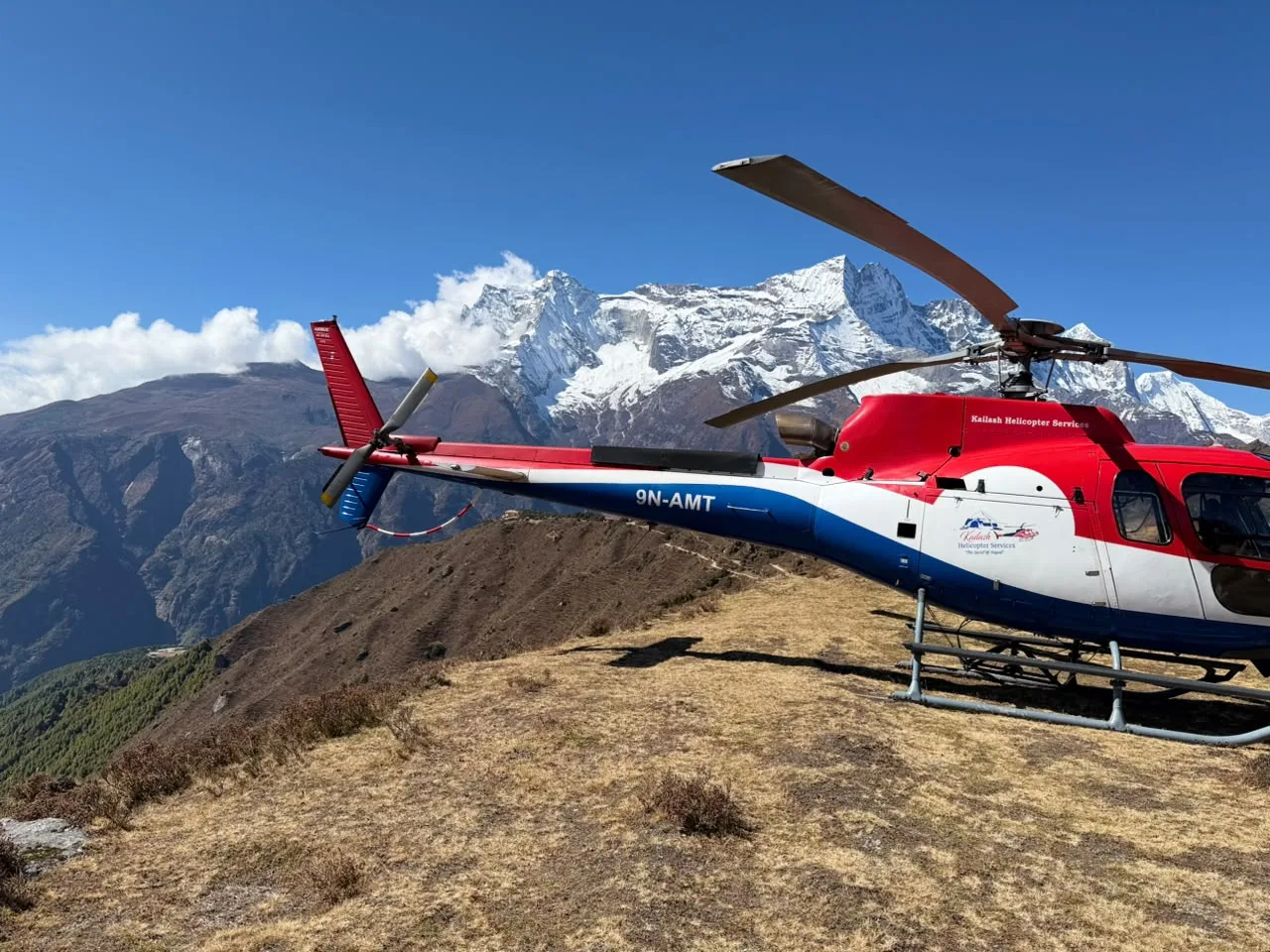
The Everest Base Camp trek with Helicopter Return is, at its core, a normal EBC trek for most of the itinerary. You fly into Lukla, then walk through Phakding, Namche Bazaar, Tengboche, Dingboche, and Lobuche before reaching Gorak Shep and finally Base Camp itself. The difference comes at the end — instead of turning around and walking back down the same trail for several more days, you get picked up by helicopter, often from Gorak Shep, though the exact pickup point can shift depending on the operator and conditions that week.
Why the Helicopter Return Changes the Experience
Cutting out the descent saves several days that would otherwise be spent going back down largely the same path you already walked. You still get the full value of the walk in — the villages, the suspension bridges, the slow climb through changing scenery — without the repetitive trek out. That said, don’t assume the shorter total trip means less effort is required. You still need to acclimatize properly on the way up, and the last couple of days before Base Camp tend to be the hardest part regardless of how you’re leaving.
People who’ve done this route often mention that the final stretch — thin air, rocky uneven trail, cold mornings, and the accumulated fatigue of several trekking days — feels tougher than they expected, even with the reward of a flight out waiting at the end. And because helicopters are weather-dependent, it’s smart to build in a spare day or two in case the return gets delayed.
Manaslu Circuit Trek: A Longer Journey Through Remote Mountain Country
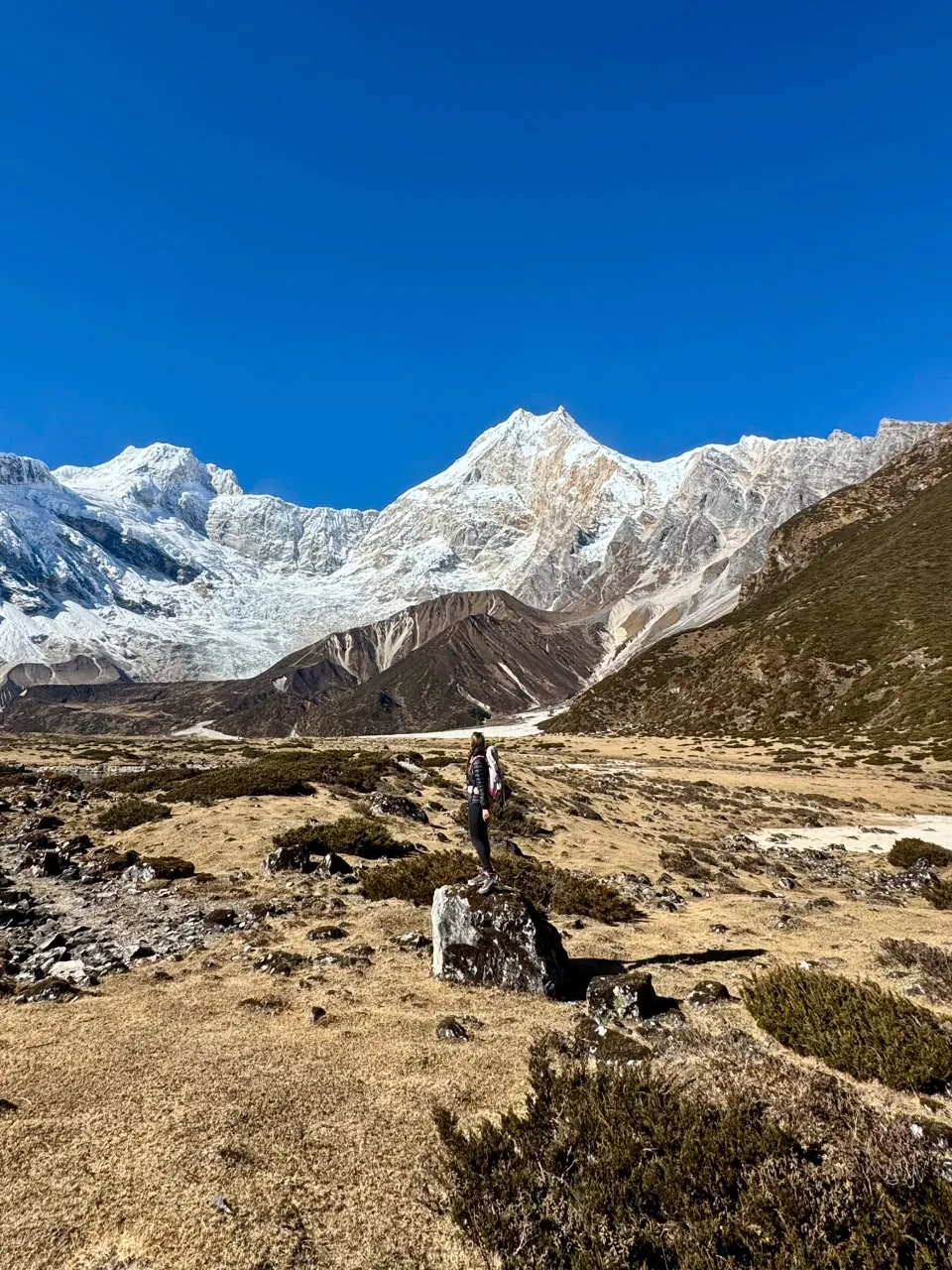
The Manaslu circuit Trek follows the Budhi Gandaki river valley north, climbing gradually through villages with a strong Tibetan Buddhist influence before pushing into proper alpine terrain and eventually crossing Larkya La. It’s less about one single destination and more about the whole arc of the journey — the landscape genuinely changes day by day, from terraced farmland lower down to bare rock and ice higher up.
Most itineraries run 12 to 16 days. Along the way you pass through places like Namrung, Lho, Samagaun, and Samdo, each with its own character and pace of life. Larkya La itself sits at roughly 5,106 meters, and crossing it is a long, early-start day that tests your legs and your patience in equal measure. Because this is a restricted area, trekkers need the proper permits and have to go with a licensed guide — there’s no independent trekking option here the way there sometimes is elsewhere.
What Makes Manaslu Different From Everest?
Manaslu generally feels quieter on the trail, with fewer crowds and more of a focus on the journey as a whole rather than one famous viewpoint. That doesn’t mean it’s empty or untouched — teahouses, local families, and other trekkers are all part of the picture — but the atmosphere is different from the busier Everest corridor. The pass-crossing day deserves particular respect: early starts in the cold, long hours on uneven ground, and a real need to pace yourself rather than rush toward the top.
Actual Costs: What Are You Paying For?
Here’s the short version. The helicopter sightseeing trip costs a lot relative to how short it is. The EBC trek with a helicopter return usually ends up pricier than a standard EBC trek because you’re paying for both the trekking logistics and the flight. Manaslu, somewhat counterintuitively, often gives you more trekking days for a comparable or lower total price.
| Cost consideration | Helicopter Tour | EBC Heli Return | Manaslu Circuit |
| Main expense | Helicopter seat | Trek logistics plus helicopter | Guide, permits, transport |
| Accommodation | Usually not needed | Teahouses | Teahouses |
| Permits | Depends on operator | Everest-region permits | Restricted-area and conservation permits |
| Extra costs | Private flight, meals | Charging, showers, meals, possible delays | Transport, meals, guide-related costs |
The cheapest price you see advertised rarely tells the whole story. Group size matters a lot — a shared helicopter seat costs far less than booking the whole aircraft privately. Season affects pricing too, and so does whether your trek includes proper teahouse accommodation, insurance, and a buffer for weather delays, which happen more often than people expect in mountain aviation.
Travelers comparing these routes can ask a Nepal-based operator such as Adventure White Mountain for a clear itinerary and an itemized quotation before deciding — it’s a reasonable way to see exactly what’s included before committing.
Difficulty and Altitude: Which Trip Is Hardest?
Short answer: the helicopter tour asks the least of your body, but it doesn’t remove altitude risk entirely. Both trekking routes demand real preparation, and Manaslu’s high pass day is arguably the single toughest day across all three options.
On physical effort, there’s not much comparison — flying up for a few hours involves almost no exertion, while the EBC trek means consecutive days of uphill walking at altitude, and Manaslu asks for sustained endurance across a longer circuit with a serious pass to cross near the end.
On altitude, Everest Base Camp sits at 5,364 meters, and Larkya La on the Manaslu route comes in at around 5,106 meters. Both numbers are high enough that gradual acclimatization genuinely matters — rushing either route increases the risk of altitude sickness regardless of how fit you are.
Trail conditions add another layer: rocky, uneven paths, cold mornings that can feel brutal before the sun gets going, and long walking hours that wear you down more than any single steep section does. If you’re planning either trek, building up your walking endurance beforehand helps, as does resisting the urge to rush your acclimatization schedule. Headache, nausea, dizziness, and unusual fatigue are the classic early warning signs worth taking seriously rather than pushing through.
Best Seasons, Weather Delays, and Practical Planning
Spring, roughly March through May, and autumn, September through November, are the seasons most people pick for Himalayan trekking and mountain flights, mainly because visibility and trail conditions tend to be more stable then.
Weather affects helicopters and trekkers differently, though. Helicopters depend heavily on clear visibility, manageable wind, and safe landing conditions, so a perfectly good trekking day on the ground doesn’t always mean flights are happening. EBC trekkers sometimes run into Lukla flight disruptions that shift the whole schedule by a day or two. Manaslu’s high pass can become difficult or outright impassable after a heavy snowfall, which is one more reason guides there tend to be cautious about timing the crossing.
Practically speaking, it’s worth keeping two or three flexible days in your schedule if you can, carrying proper travel insurance, and checking that your policy actually covers evacuation and the specific altitude you’ll be reaching. A promised schedule means very little once the weather decides otherwise.
Which Himalayan Experience Should You Choose?
If time is genuinely tight, the Everest helicopter tour makes sense for travelers who mainly want to see the mountains up close without committing to days of walking.
If you want to reach Everest Base Camp on your own two feet but would rather skip the long walk back down, the helicopter-return trek suits fit, reasonably prepared travelers who still want the full trail experience minus the repetitive descent.
If what you’re after is a longer mountain journey rather than one single destination, Manaslu suits people who are comfortable with sustained trekking, enjoy quieter villages, and don’t mind a demanding high-altitude pass standing between them and the finish.
In the end, the right choice depends on what kind of experience you actually value — the view, the walk, or the whole journey — not just which one costs less or climbs higher.
Frequently Asked Questions
Is the Everest Base Camp Helicopter Tour worth the cost?
It depends on what you’re after. You get real time savings and genuine aerial views of Everest and its neighbors, but weather can change plans quickly, and it’s sightseeing rather than trekking — a different kind of experience, not a shortcut to the same one.
How difficult is the Everest Base Camp trek with Helicopter Return?
Still demanding. You need reasonable fitness and proper acclimatization on the way up, and the final days before Base Camp are physically tough regardless of how you leave afterward.
Is the Manaslu Circuit Trek harder than Everest Base Camp?
It depends on the specific itinerary and conditions, but Manaslu’s longer overall circuit and the Larkya La crossing often make it feel more demanding than a standard EBC trek.
Can helicopters always land near Everest Base Camp?
No. Landing depends on weather, wind, snow conditions, aircraft performance limits, and the pilot’s safety judgment that day — it’s never a guaranteed part of the booking.
Which is cheaper: Manaslu Circuit Trek or Everest helicopter return trek?
Manaslu is often less expensive than an EBC trek with a helicopter return, though actual prices vary with group size, season, and exactly which services are included.