The Manufacturing Decisions Behind More Reliable Products
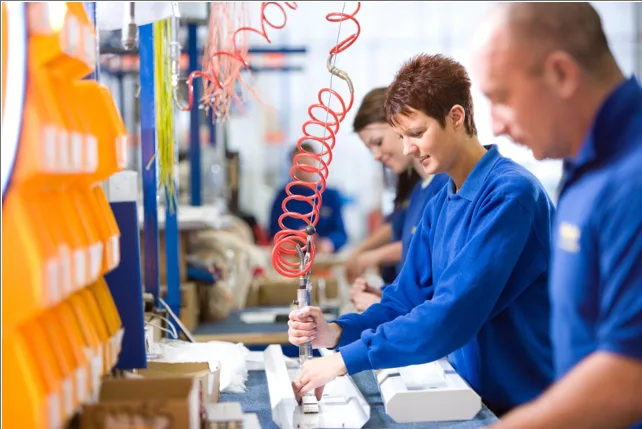
Reliable products are usually the result of many careful choices made during manufacturing. From raw materials to final testing, each step can affect how well a product performs once it reaches the customer.
Good manufacturing is not only about making items quickly. It is also about keeping quality steady, reducing waste, and making sure each product works as expected.
Companies that focus on these areas can create products that last longer and perform more consistently. The most important decisions often begin before production even starts.
Choose Materials That Match the Product
Material choice has a major effect on product quality.
Manufacturers need to think about strength, weight, heat resistance, flexibility, and cost. The right material depends on how the final product will be used.
A strong material may be needed for heavy equipment, while a food product may require safe ingredients that stay stable during processing.
Using cheaper materials may lower costs at first, but it can also lead to faster wear or more defects.
Reliable products start with materials that are suited to their purpose.
Manufacturers should also check the quality of incoming materials. If raw materials change from one delivery to another, the finished product may also become less consistent.
Keep Production Methods Consistent
A good product depends on a process that can be repeated.
Machines, tools, and workers should follow clear steps so each item is made in the same way.
Small changes in heat, pressure, speed, or timing can affect the final result.
This is why manufacturers often use written procedures and set production limits.
For example, food production may depend on exact mixing times or temperatures. Other industries may rely on precise cutting, molding, or assembly settings.
Companies such as Tanis Confectionery operate in environments where consistent processing can be important for producing reliable results across repeated batches.
A stable process makes it easier to control quality and reduce surprises.
Use Quality Control Throughout Production
Quality control should not only happen at the end.
Checking products during different stages of manufacturing can help find problems earlier.
Workers may inspect size, weight, shape, color, temperature, or other important features.
If a problem is found early, fewer products may need to be thrown away or reworked.
Regular checks can also show whether a machine needs adjustment.
Some manufacturers use automatic sensors and cameras to watch production in real time.
These tools can help detect small changes that may be hard for a person to notice.
Strong quality control supports both product reliability and lower waste.
Maintain Equipment on a Regular Schedule
Manufacturing equipment needs regular care.
Machines that are worn, dirty, or poorly adjusted can create defects.
A small problem with a cutting tool, conveyor, mixer, or filling machine can affect many products before anyone notices.
Preventive maintenance helps reduce this risk.
Instead of waiting for equipment to fail, manufacturers can inspect and service machines on a set schedule.
This may include cleaning, lubrication, part replacement, and testing.
Maintenance also helps keep production more predictable.
Unexpected breakdowns can delay orders and force workers to rush once the machine is repaired.
Well-maintained equipment supports steady production and better product quality.
Train Workers for Consistent Results
Technology is important, but people still play a major role in manufacturing.
Workers need to understand the process, safety rules, and quality standards.
Good training helps employees know what normal production should look like.
It also helps them notice warning signs.
For example, a worker may hear a strange machine sound, notice an unusual product shape, or see a change in material flow.
When employees know how to respond, small issues can be fixed before they become larger problems.
Training should continue as equipment and processes change.
Clear instructions and regular updates help workers follow the same standards.
A skilled team is one of the strongest tools for keeping production reliable.
Reduce Variation Between Batches
Customers expect the same product each time they buy it.
Too much variation can reduce trust, even if the product is still usable.
Manufacturers often track measurements to make sure each batch stays within an accepted range.
This may include size, color, texture, strength, weight, or taste.
When results begin to shift, the production team can look for the cause.
The issue may come from raw materials, machine settings, temperature, or another part of the process.
Reducing variation helps keep products more predictable.
It can also make planning easier because manufacturers know what level of quality to expect from each production run.
Test Products Before They Reach Customers
Final testing provides another layer of protection.
The type of test depends on the product.
A mechanical item may be tested for strength or movement. Electronics may be checked for power and function.
Food products may be tested for weight, texture, packaging, or safety.
Some tests are done on every item, while others are completed on samples from each batch.
Testing can reveal problems that were not found earlier.
It also gives manufacturers useful information about how well their process is working.
If the same issue appears several times, the company may need to change part of the production method.
Good testing helps keep weak or faulty products from reaching customers.
Learn From Defects and Customer Feedback
Even strong production systems can have problems.
What matters is how the manufacturer responds.
Defects should be studied to find the real cause rather than only fixing the visible issue.
This process may show that a material was inconsistent, a machine was out of adjustment, or a production step was unclear.
Customer feedback can also reveal useful patterns.
If many customers report the same problem, the company may need to review its process.
Manufacturers can use this information to update training, equipment, materials, or quality checks.
Continuous improvement helps products become more reliable over time.
It also helps companies reduce repeated mistakes and improve customer trust.
Conclusion: Build Reliability Into Every Stage
Product reliability does not come from one single decision.
It is built through material selection, stable production methods, quality control, equipment care, worker training, testing, and regular improvement.
Each part of the manufacturing process affects the final result.
When these steps work together, products are more likely to perform as expected and stay consistent from one batch to the next.
Reliable manufacturing also helps reduce waste, delays, and costly defects.
By focusing on quality from the start, manufacturers can create products that better meet customer needs and support long-term performance.