Systematic Surface Decontamination and Particulate Control in Residential Property Maintenance
Maintaining domestic hygiene within modern energy-efficient homes requires continuous management of airborne allergens, microbial colonization, and particulate deposition. High-performance building envelopes common across Dane County prevent outdoor air infiltration during frigid winters and humid summers,inadvertently trapping pet dander, cooking grease aerosols, and tracked-in deicing chemicals inside interior spaces. When cleaning schedules are irregular or delayed to monthly intervals, coarse quartz sand and abrasive mineral salts grind into hardwood polyurethane finishes, fracturing clear coats and embedding dirt into open wood grain. Furthermore, high-humidity zones like master bathrooms and culinary stations rapidly develop stubborn biofilms, mineral scale, and mold colonies that resist basic wipe-downs. Eliminating these compounding hygiene failures demands shifting away from reactive dusting toward scientific, schedule-based sanitization routines.
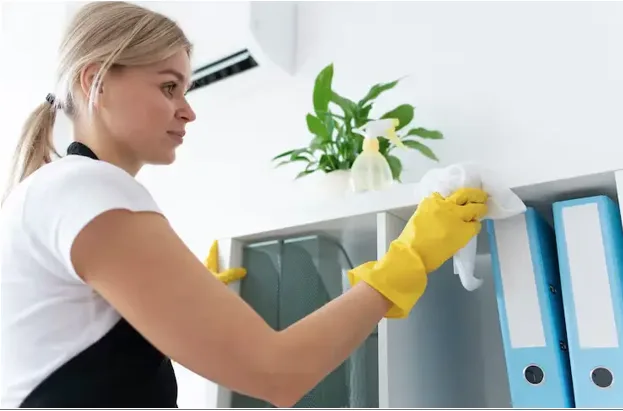
When managing active family households or mitigating chronic indoor allergen accumulation, establishing a structured schedule for weekly house cleaning in madison wi ensures that abrasive particulates and microbial residues are extracted before surface degradation occurs. Dedicated residential sanitation technicians at Badger Luxe Cleaning employ industrial sealed HEPA extraction systems, color-coded microfiber protocols, and substrate-specific detergents to maintain pristine domestic spaces across diverse floor plans.
By establishing an uninterrupted maintenance cadence, homeowners prevent fine environmental soils from compacting into textiles or scratching expensive hard surfaces. Consistent technical cleaning maintains optimal indoor air quality, protects interior investments, and sustains healthy living conditions throughout every seasonal transition.
Mechanical Soil Extraction and Architectural Substrate Preservation Mechanics
Over eighty percent of residential dirt consists of dry insoluble mineral matter, including pulverized road aggregate, crystalline salts, and clay soils tracked indoors on footwear. Under continuous daily foot traffic,these sharp particulate grains act as microscopic abrasives, slicing through carpet fibers and eroding protective sealants on hardwood and natural stone flooring. Infrequent vacuuming allows abrasive particles to settle beneath carpet pile surfaces, where foot pressure forces them against backing yarns, causing premature fiber fraying and traffic-lane dulling.
Preventing structural flooring wear requires systematic dry extraction using sealed, multi-stage High-Efficiency Particulate Air (HEPA) vacuum equipment. Standard vacuums frequently feature unsealed housings that exhaust fine respirable dust back into the ambient air, aggravating respiratory sensitivities and settling onto dusted surfaces. Professional HEPA systems permanently trap 99.97 percent of particulates down to 0.3 microns, removing abrasive grit from floor crevices, baseboards, and upholstery without degrading ambient air quality.
Following dry particulate removal, hard-surface flooring requires damp-cleansing with chemically balanced,neutral-pH formulations. Aggressive alkaline detergents or acidic household solutions gradually strip protective finishes, leaving hardwood boards vulnerable to moisture penetration and stone tiles susceptible to chemical etching. Methodical application of microfiber flat-mop systems ensures controlled moisture dispersion, lifting dissolved soils without saturating underlying subfloors.
Culinary and Sanitary Zone Microbial Containment Standards
Residential culinary spaces and bathrooms represent complex sanitary challenges where biological pathogens, organic residues, and high relative humidity intersect. Kitchen countertops, cabinet hardware,and sink basins accumulate aerosolized cooking fats that form adhesive films, trapping ambient dust and fostering bacterial proliferation if unaddressed. Similarly, shower enclosures and vanity areas experience frequent moisture spikes that promote soap scum accumulation, mineral calcification, and opportunistic mildew growth along silicone seams and tile grout.
Controlling microbial transmission between domestic zones requires rigorous cross-contamination safeguards. Utilizing the same cleaning textile across multiple rooms spreads pathogenic microbes from sanitary plumbing fixtures directly onto food preparation surfaces. Professional cleaning protocols resolve this contamination vector by deploying distinct color-coded microfiber textiles, strictly isolating bathroom sanitation cloths from kitchen and living area tools. Because split microfiber carries a dense synthetic matrix of polyester and polyamide fibers, it exerts an electrostatic force that physically locks away microscopic pathogens rather than simply smearing them across surfaces.
Additionally, achieving true sanitization requires respecting proper chemical dwell times. Applying eco-conscious, non-toxic sanitizing agents and allowing them to remain wet on non-porous surfaces for the specified contact period guarantees the complete destruction of bacteria and viruses. Establishing recurring,structured hygiene standards preserves domestic investments, eliminates biological hazards, and sustains an exceptionally clean residential environment.