Why Electronics Manufacturers Are Rethinking Component Sourcing Strategies in 2026
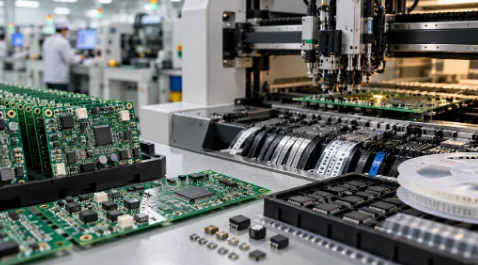
Electronics manufacturers face many challenges when buying electronic components. Prices can change. Delivery times can become longer. Some parts may also reach the end of their product life while the equipment that uses them is still in service.
These issues can affect production plans, product costs, and delivery dates. As a result, many manufacturers need to look beyond price when choosing suppliers. They must also consider part availability, supply risks, and long-term support.
In 2026, component sourcing remains an important part of electronics manufacturing. A clear sourcing plan can help companies reduce delays and keep production running when supply conditions change.
Component Availability Is a Key Manufacturing Concern
Electronic products often depend on many different parts. A single printed circuit board may use processors, memory chips, power modules, capacitors, and connectors. If one key part is not available, the whole production process may slow down.
This risk is not the same for every component. Some parts are easy to find from several suppliers. Others have long lead times or come from a limited number of sources. Special parts used in industrial systems may be even harder to replace.
Manufacturers can reduce some of these risks by reviewing their bills of materials (BOMs) early. They can identify parts with long delivery times and check whether suitable alternatives are available. They can also keep closer contact with suppliers to learn about changes in stock and delivery plans.
Early action gives purchasing teams more time to respond. It is often easier to plan for a possible supply problem than to deal with it after production has stopped.
Product Life Cycles Add Another Challenge
Component availability is only one part of the problem. Product life cycles also matter.
Electronic components do not stay in production forever. Manufacturers may stop making a part because of changes in technology, lower demand, or a new product design. This is known as component obsolescence.
For companies that build long-life equipment, this can create a serious challenge. Industrial control systems, medical devices, and communication equipment may need to work for many years. Yet some of their original components may become obsolete much sooner.
Replacing an obsolete part is not always simple. A new component may have a different pin layout, package size, voltage range, or thermal performance. Even when two parts look similar, they may not work in the same circuit.
For this reason, engineers should check technical data before approving a replacement. They may also need to test the new part in the actual design. A careful review helps reduce the risk of product failure and unexpected redesign costs.
Manufacturers can also review the life cycle of key components during the design stage. This makes it easier to plan for future repairs, upgrades, and replacement needs.
Manufacturers Are Expanding Their Sourcing Networks
Many purchasing teams use more than one source to meet their component needs. They may work with authorized distributors, direct manufacturers, and independent distributors, depending on the part and the situation.
Each channel has a different role. Authorized channels can provide access to official supply networks and product support. Independent distributors may offer another sourcing option when a part is difficult to find through regular channels.
For example, an independent distributor may help buyers search for obsolete components, hard-to-find parts, or items with long lead times. This can be useful when a production line needs a specific part that is no longer easy to obtain.
Singapore-based VIGOR COMPONENTS supplies electronic components to customers in different markets. Its product range includes semiconductors, integrated circuits, memory components, and power modules. Such suppliers can form part of a wider sourcing network when manufacturers need more options.
However, adding suppliers does not remove every risk. Buyers still need to check product origin, traceability, storage conditions, and supplier records. They should also review inspection and testing needs based on the risk of each purchase.
A wider supplier network works best when it supports a clear sourcing plan. The goal is not simply to find more sellers. It is to find suitable parts from sources that meet the company’s technical and quality needs.
Procurement Decisions Need a Wider View
Price remains important, but it should not be the only factor in a purchasing decision. A low-cost part may create higher costs if it arrives late, fails testing, or needs extra engineering work.
Procurement teams can make better decisions by looking at the full cost and risk of each option. This includes unit price, delivery time, minimum order quantity, shipping costs, and the cost of possible production delays.
They should also work closely with engineering, quality, and production teams. Purchasing staff may know which suppliers have stock, while engineers understand whether a replacement will work in the design. Quality teams can help review the risks of different supply sources.
This shared approach can make sourcing decisions faster and more reliable. It also helps companies set clear rules for part approval and supplier review.
Businesses looking to improve their process can review the main steps in electronic component procurement. A clear process helps teams compare suppliers, check part details, and manage purchasing risks before placing an order.
Building a More Resilient Supply Chain
There is no single way to remove every risk in electronic component sourcing. Supply conditions can change, and some parts have few practical alternatives. Still, manufacturers can take steps to prepare for these changes.
They can review critical components on a regular basis. They can track product life-cycle notices and identify parts that may become difficult to buy. They can also plan stock levels based on actual demand, lead times, and the impact of a possible shortage.
For important components, companies may also consider approved alternatives or additional supply sources. Any replacement must meet the required technical and quality standards. It should not be accepted only because it is easier to buy.
Good sourcing also depends on clear communication. Suppliers need accurate forecasts and order details. Buyers need timely updates about stock, delivery dates, and possible changes. Better communication helps both sides respond to problems earlier
In 2026, electronics manufacturers need to treat component sourcing as part of their wider business planning. Price, quality, delivery, and product life cycles all affect the final result.
Companies that review these factors early can make better choices and respond more effectively when supply conditions change. A practical sourcing plan cannot prevent every delay, but it can help reduce avoidable risks and support more stable production.