Brooklyn Event Catering: Vendor Selection Guide for Tech Startup Event Planners
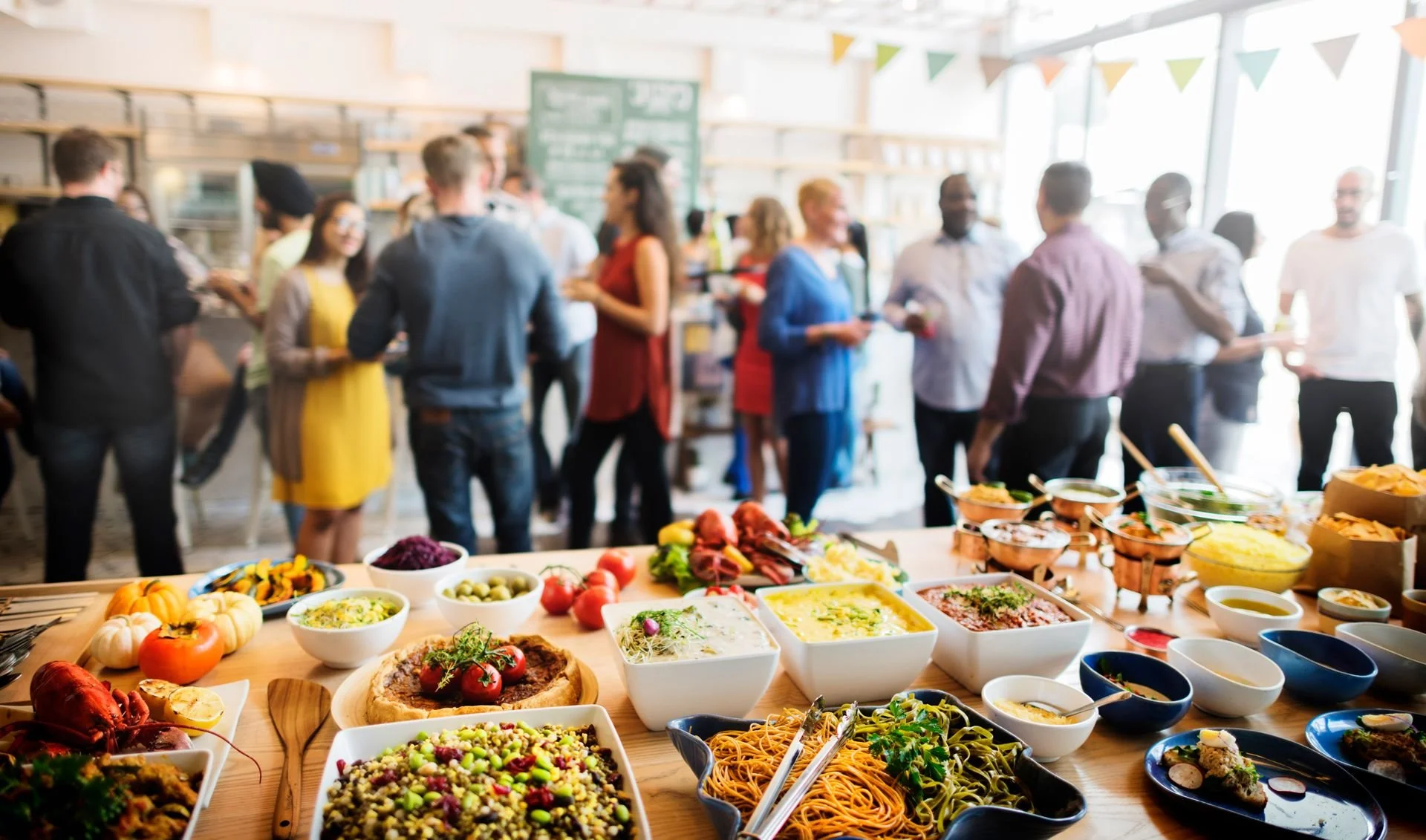
Planning an event for a tech startup in Brooklyn means balancing innovation with practicality. Imagine organizing a product launch in a converted warehouse in DUMBO: the crowd includes software engineers, investors, and digital marketers, each expecting more than just standard fare. The challenge isn’t simply to feed a group—it’s to select catering that meets diverse dietary needs, supports local values, and fits seamlessly with the event’s technical and logistical requirements. The right Brooklyn Event Catering guide helps planners navigate this process, ensuring no critical detail is overlooked and that the dining experience contributes positively to the company’s brand image.
Defining Dietary Preferences and Menu Trends for Tech Gatherings
At tech events, dietary restrictions often go beyond the basics. Planners need to account for vegan, gluten-free, and allergen-sensitive options, as well as current trends like plant-based proteins and global street food concepts. For example, offering a build-your-own grain bowl station allows guests to customize their meals while accommodating a range of dietary needs. Reviewing sample menus for flexibility and inclusivity ensures that no attendee feels left out or underserved. Many Brooklyn caterers now highlight ingredients and preparation methods to help organizers quickly identify which dishes meet specific requirements.
As highlighted in this overview of dietary accommodations at corporate events, clear labeling and communication with catering vendors are necessary to avoid cross-contamination and ensure safety for all guests. Discussing these needs during your initial tasting session with a caterer can reveal their familiarity with tech culture’s expectations and their ability to adapt menus at scale.
Evaluating Brooklyn Caterers for Logistics and Venue Compatibility
Tech startup events often take place in unique venues—loft spaces, co-working hubs, or even outdoor patios. Each type of venue brings its own limitations around kitchen access, power supply, and delivery routes. Before hiring a caterer, confirm that they’ve serviced similar venues and can coordinate with both building management and event planners to time deliveries and set up serving stations without disrupting the event schedule.
Using a comprehensive checklist for event catering logistics helps ensure you address essential factors like on-site refrigeration, trash removal, and emergency backup plans. For Brooklyn Event Catering, planners should confirm that the vendor can handle last-minute changes in guest count or adjust for traffic delays common in the borough. The selected provider must also be familiar with the event space’s insurance and permit requirements, particularly for alcohol service and outdoor cooking. These practical details prevent costly hiccups and keep the event running smoothly.
Assessing Sustainability Practices of Local Food Vendors
Many tech startups emphasize environmental responsibility, making sustainable catering a priority. When reviewing Brooklyn Event Catering guide recommendations, check for vendors who use locally sourced produce and compostable serving ware. Some caterers partner with neighborhood farms or offer seasonal menus that reduce transportation emissions. Ask potential vendors about their food waste protocols and whether they can donate leftovers to local shelters or food banks.
Certifications for green business practices or participation in food rescue programs can indicate a vendor’s commitment to sustainability. Inquire about their waste handling and recycling policies, and request details on how they manage packaging and single-use plastics. For startups aiming to reflect their values through every event detail, these sustainable practices are as important as the menu itself.
Managing Budgets and Tech-Friendly Service Integration
Most tech events have defined budgets, but expectations for digital integration are high. Some Brooklyn caterers now offer digital ordering kiosks, QR code menus, or contactless payment options. Requesting itemized proposals allows planners to compare costs for food, staffing, rentals, and technology features. Transparent pricing helps prevent budget overruns and ensures buy-in from stakeholders.
Planners can also streamline logistics by coordinating with vendors who support real-time guest tracking or integrate with event management apps. This is especially helpful for large gatherings where dietary preferences or special requests must be tracked efficiently. When selecting a vendor from the Brooklyn Event Catering market, ensure they can provide electronic invoices, support for cashless transactions, and tech-driven guest management solutions. These features help align the catering experience with the expectations of a tech-savvy crowd.
Conclusion
Start by prioritizing vendors who can meet both your practical needs and your startup’s cultural values—request detailed proposals, review sustainability credentials, and verify experience in similar venues. This approach ensures your event catering contributes to a memorable and seamless tech gathering in Brooklyn.