More Than a Meal: How to Choose a Restaurant That Becomes Part of the Trip
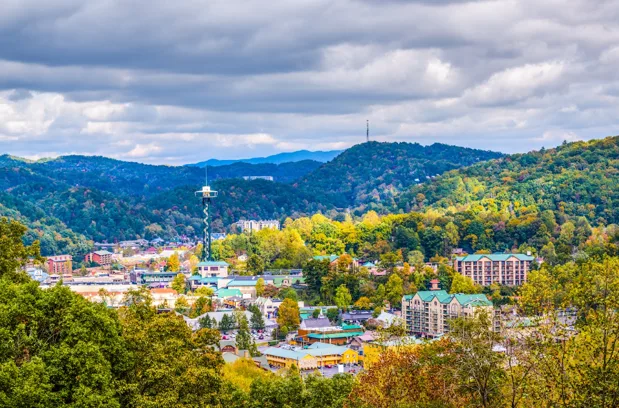
A good meal can shape an entire day of travel. In Gatlinburg, Tennessee, where visitors often spend hours walking, sightseeing, shopping, and moving between attractions, the restaurant you choose can become more than a place to refuel. It can be the pause that resets everyone’s energy and gives the day a memorable center. The best dining choice is usually the place that combines food people want, a comfortable setting, and enough flexibility to work for couples, families, and groups.
Look for a Menu That Works for More Than One Appetite
A restaurant becomes easier to enjoy when nobody has to compromise too heavily.
Mixed groups often include someone who wants a steak, someone who prefers seafood, a child who wants something familiar, and another person who would rather order something lighter. A menu with real variety prevents the meal from becoming a negotiation.
The Park Grill is one option for travelers searching for the best restaurant in Gatlinburg, with a menu that includes Certified Angus Beef steaks, fish, chicken, burgers, sandwiches, soups, and a salad bar. That range makes it easier for different appetites to share the same table.
Variety matters, but the menu should still feel focused. A strong restaurant gives people choices without losing its identity.
Atmosphere Matters More Than People Expect
Food may be the reason you walk into a restaurant, but the room around it shapes how the meal feels.
After several hours on your feet, a comfortable dining space can make everyone slow down. Warm lighting, good seating, and an environment that feels connected to the trip can turn dinner into an actual break instead of another task.
A memorable restaurant does not need to be theatrical. It needs to feel like a place where you are happy to stay for a while.
Time Your Meal Around the Rest of the Day
A restaurant choice can be great and still feel frustrating if you arrive at the wrong time.
Peak meal periods often mean longer waits, noisier dining rooms, and hungry people becoming impatient. If your schedule allows, eating a little earlier or later can make the experience smoother.
Meal timing matters even more with children. Choosing somewhere close to where you already are, ordering without unnecessary delays, and avoiding a late dinner after an exhausting day can help. Practical advice for eating out with children often comes back to reducing waiting and keeping the experience manageable.
A restaurant should fit into the rhythm of the day rather than forcing the entire day to bend around it.
Think About Value Beyond Portion Size
A large plate can look like a bargain, but value is about more than quantity.
Good value comes from the combination of food quality, portion size, service, atmosphere, and how satisfied you feel afterward. A cheaper meal that nobody enjoys is not automatically a better deal than one that costs slightly more but becomes a highlight of the trip.
Planning helps here. If you know you want one memorable sit-down meal, you can keep breakfast or lunch simpler and spend more comfortably later. Using a few strategies for keeping food costs down while traveling can create room in the budget for restaurants that feel worth the stop.
The goal is not to spend as little as possible. It is to spend intentionally.
Pay Attention to the Details Around the Food
A restaurant can serve an excellent entrée and still create a frustrating experience if everything around it feels difficult.
Parking, reservations, seating, wait times, and whether the restaurant can accommodate a larger group all matter. These details become especially important when you are traveling with children or several adults.
Before heading out, check current hours and whether reservations are available. Look at the menu in advance if someone in the group has dietary restrictions or a limited range of foods they enjoy.
Choose a Place That Feels Connected to the Trip
The restaurants people remember tend to have some sense of place.
That might come from the architecture, menu, ingredients, or simply the way the dining room feels. Travelers can eat generic food anywhere. A restaurant becomes more memorable when it feels connected to the experience surrounding it.
This does not require an elaborate theme. A rustic room, familiar regional flavors, hearty entrées, or a menu built around local traditions can create enough character to make the meal stand apart from something you could have ordered at home.
Make Group Dining Easier on Everyone
The larger the group, the more important flexibility becomes.
A good group restaurant should offer enough menu range for different tastes and enough space for everyone to sit comfortably. It also helps when the atmosphere is relaxed enough that a lively conversation does not feel disruptive.
If you are traveling with several people, check reservation policies before arriving. Large parties may require additional planning during busy periods.
Group meals are supposed to bring everyone together. The right restaurant makes that easier rather than adding another layer of coordination.
Let the Meal Be Part of the Experience
Travel days are often planned around attractions, shopping, sightseeing, and entertainment, while meals are treated as whatever fits between them.
That can be a missed opportunity.
A good restaurant can become one of the places everyone remembers, especially when the meal gives the group time to slow down and reconnect. Instead of choosing solely by proximity, look for a place with a menu that suits the group, an atmosphere that feels comfortable, and service that lets you enjoy the meal without feeling rushed.
The strongest dining choices are rarely complicated. They simply get the important things right.
When the food is satisfying, the setting fits the occasion, and everyone leaves feeling like the stop was worth making, the restaurant becomes part of the trip rather than just a break from it.