Why Serious Traders Still Run MT4 On A Desktop
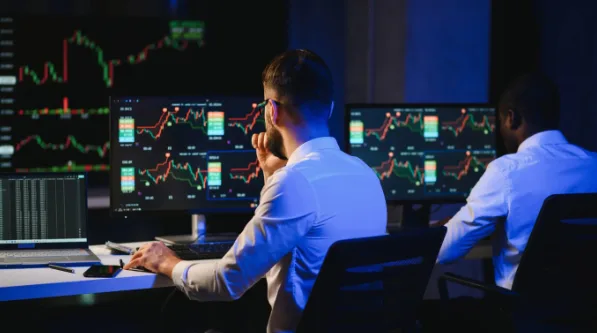
MetaTrader 4 arrived in 2005, a year before the first iPhone was even rumored. Since then cTrader, MetaTrader 5, browser terminals, and a long list of broker-built apps have all promised to replace it. Many traders tried them. A surprising number came back. Walk into any prop desk or look over the shoulder of a full-time retail trader in Jakarta, Kuala Lumpur, or London and the familiar black-and-green chart window is still sitting on at least one monitor.
Part of the reason is accumulated code. Nearly two decades of Expert Advisors, custom indicators, and scripts were written in MQL4, and a large share of them never got ported to MQL5. A trader who has spent three years refining an automated strategy cannot simply drag it into a newer platform. Rewriting means retesting, and retesting means weeks of lost time. That lock-in is not glamorous, but it explains platform loyalty better than any feature list does.
Screen space explains the rest. Anyone who has tried to manage three open positions on a phone during a central bank announcement understands why running mt4 for pc remains the default for active traders. Six charts tiled across two monitors, a Market Watch list, the order terminal, and the Navigator panel all stay visible at once. Nothing gets buried behind a menu, and nothing needs a swipe to reach. Speed of access matters when price moves fifteen pips in under a minute.
Order Handling That Stays Out of the Way
MT4 allows hedging natively, so a trader can hold a buy and a sell on the same pair at the same time. Four pending order types cover most entry logic: buy limit, buy stop, sell limit, and sell stop. One-click trading places an order straight from the chart, while trailing stops follow price automatically once a position moves into profit. None of this is revolutionary today. It simply works the same way every session, which is exactly what people want from execution software.
Light Enough for Ordinary Hardware
The terminal asks very little of a machine. An office laptop with modest memory runs several charts and a handful of indicators without stuttering, and the installation folder is small enough to copy onto a USB stick. Compare that with platforms that want a dedicated graphics profile and gigabytes of cache. For traders working from older computers, or renting inexpensive virtual servers to keep Expert Advisors online around the clock, low resource demand is a real financial advantage.
Where MT4 Shows Its Age
Honesty requires listing the weaknesses. MT4 offers nine timeframes against twenty-one on MetaTrader 5. It has no depth of market window, no built-in economic calendar, and a strategy tester that runs on a single processing thread, which makes optimization slow on large parameter sets. Netting-style accounts are not supported at all. Traders who need those tools belong on a newer platform, and pretending otherwise helps nobody.
Automation is the other pillar. The built-in Strategy Tester lets a trader replay years of price history against an Expert Advisor before risking a cent, and the results table shows drawdown, profit factor, and trade-by-trade detail. Pair that with an inexpensive virtual server and a robot can run through the Asian session while its owner sleeps. Few retail platforms made this workflow so accessible so early, and the habit stuck with a whole generation of traders.
Most retail traders, though, never touch those missing features. They want clean charts, dependable order placement, and access to the indicator library they already trust. For that job, a desktop installation of MT4 still does the work with less friction than the alternatives, which is why a platform designed in the mid-2000s keeps appearing on screens in 2026.