Property Snagging Dubai: How Smart Inspections Can Protect Real Estate Investments
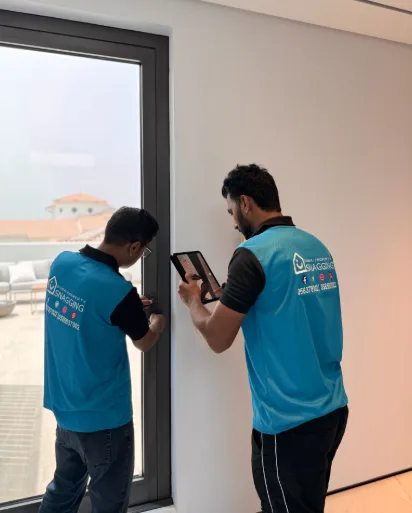
Real estate is often considered a long-term investment, but owning property involves more than purchasing an apartment, collecting rental income, or waiting for its market value to increase. Maintenance costs, unexpected repairs, and hidden defects can affect the financial performance of a property. For investors entering the Dubai real estate market, understanding the value of property inspections is an important part of managing these risks.
Property snagging Dubai services help buyers identify visible defects and incomplete work before accepting a newly constructed property. When combined with a broader property inspection strategy, snagging can help investors make better-informed decisions, organize repairs, and protect their investment from avoidable expenses.
From a financial perspective, an inspection should not be viewed simply as another purchasing cost. It can be a practical step in understanding the condition of an asset before committing additional money to it.
The Financial Importance of Property Inspections
Every property investment comes with expenses beyond the purchase price. Investors may need to budget for service charges, insurance, maintenance, renovations, tenant-related costs, and unexpected repairs.
A property that appears ready for occupation may still have problems involving plumbing, flooring, electrical fittings, windows, or finishing work. If these defects remain unnoticed, they can create additional expenses after the owner has taken possession.
A professional property inspection Dubai service can help identify visible concerns and provide a documented overview of the property’s condition. This information gives buyers a clearer basis for discussing repairs with the developer or planning their maintenance budget.
For example, consider an investor purchasing an apartment intended for rental income. If the inspection identifies damaged flooring, poorly fitted bathroom fixtures, and a visible plumbing leak, the investor can document these issues and investigate the appropriate corrective work before preparing the property for tenants.
The inspection does not guarantee that every hidden defect will be discovered. However, it can reduce uncertainty by highlighting issues that may otherwise be overlooked during a quick viewing.
Property Snagging as a Form of Investment Risk Management
Financial risk management involves identifying potential problems before they affect an investment. In real estate, this includes understanding the physical condition of the property.
Property snagging Dubai is particularly relevant when purchasing newly developed apartments, villas, and townhouses. Developers may deliver properties with minor finishing issues or defects that need attention before the owner begins using or renting the unit.
A structured snagging inspection generally examines accessible areas such as:
- Walls, ceilings, paintwork, and flooring.
- Doors, windows, handles, and locks.
- Bathroom fixtures, taps, and drainage.
- Kitchen cabinets and installed fittings.
- Visible plumbing and electrical concerns.
- Air-conditioning components within the agreed inspection scope.
- Exterior finishes and accessible drainage areas.
The findings are usually organized into a report with descriptions and photographs. This makes it easier for the investor to understand what has been identified and communicate the relevant concerns to the responsible party.
From a financial planning perspective, the report can also help distinguish between immediate maintenance priorities and minor cosmetic issues that can be addressed later.
How Hidden Defects Can Affect Rental Income
For landlords, the financial impact of property defects can extend beyond repair costs. A property that is not ready for occupation may delay tenant move-in, interrupt rental arrangements, or create dissatisfaction among occupants.
Consider a landlord preparing a newly purchased apartment for its first tenant. A defective air-conditioning unit, leaking bathroom fitting, or poorly sealed window could require attention before the property is ready.
Depending on the circumstances, delays may affect the expected rental start date and increase the owner’s expenses. The landlord may also need to coordinate contractors while managing other property-related responsibilities.
This is why a property inspection should ideally be arranged at an appropriate stage before the property is furnished or advertised for rent.
A documented inspection can help investors identify visible problems early, obtain repair estimates, and plan the next steps. It also supports a more realistic assessment of the property’s readiness for the rental market.
Leak Detection Dubai: Why Water-Related Problems Deserve Attention
Water leakage is one of the maintenance concerns that property investors should take seriously. A small leak may appear manageable at first, but persistent moisture can damage cabinets, flooring, ceilings, paintwork, and surrounding materials.
In some cases, water-related defects may remain hidden behind walls, beneath flooring, or around concealed plumbing connections. Visible staining, damp patches, unusual smells, or recurring moisture can indicate that further investigation is necessary.
Professional leak detection Dubai services can help investigate suspected water leaks using appropriate diagnostic methods. The exact equipment and procedure depend on the suspected source and the construction of the property.
For investors, identifying a leak early can help limit further damage and make repair planning more predictable. However, a routine visual inspection is not the same as specialist leak detection. Where the source of moisture is unclear, a qualified specialist should carry out the appropriate investigation.
It is also important to keep records of reported leakage, inspection findings, repair work, and any follow-up checks. These records can be useful when managing maintenance across multiple investment properties.
Choosing a Property Snagging Company: What Investors Should Consider
Not every inspection provider offers the same level of service. Investors should understand the inspection scope, reporting standards, and limitations before choosing a provider.
A professional property snagging company should be able to explain which areas will be examined, what tools may be used, and how the findings will be presented.
Before appointing an inspection provider, consider the following factors:
Inspection experience: Look for experience with the relevant property type, whether it is an apartment, villa, or townhouse.
Clear reporting: A useful report should include photographs, defect descriptions, and the location of each issue.
Defined inspection scope: Confirm which areas and systems are included and which require separate specialist testing.
Transparent pricing: Understand the inspection fee and whether additional visits or technical assessments involve extra charges.
Communication: The provider should explain findings in straightforward language and identify concerns that may need further investigation.
Investors comparing inspection providers can review the services offered by a property snagging company and assess whether the inspection scope matches the property and investment requirements.
The cheapest service is not necessarily the most suitable. A clear, well-documented inspection can be more useful than a low-cost appointment that leaves important questions unanswered.
Including Inspection Costs in a Real Estate Investment Budget
Property investors usually calculate acquisition costs, financing expenses, expected rental income, and ongoing maintenance when evaluating a purchase. Inspection costs should also be considered during the planning stage.
A practical property budget can include:
| Expense category | Why it matters |
| Purchase and transaction costs | Establishes the total initial investment |
| Property inspection | Helps assess visible defects and condition |
| Snagging and repair allowance | Provides for identified corrective work |
| Routine maintenance | Supports the property’s ongoing condition |
| Specialist assessments | Covers technical investigations when required |
| Emergency reserve | Helps manage unexpected property expenses |
The amount allocated to repairs will depend on the property’s age, condition, size, and inspection findings. Investors should avoid assuming that every newly built property will be free from maintenance costs.
A realistic budget is more useful than relying on optimistic assumptions about future expenses.
Why Inspection Records Matter for Long-Term Property Management
Property investment does not end when the purchase is completed. Owners need a practical system for tracking maintenance, repairs, and changes in property condition.
Inspection records can support this process by creating a reference point for future assessments. Landlords can compare reports from different dates, review completed repairs, and identify recurring problems.
For properties managed by professional property managers, clear documentation can also improve communication between the owner, tenant, maintenance contractor, and inspection provider.
A useful record-keeping system should include:
- Original inspection reports.
- Photographs of identified defects.
- Repair estimates and invoices.
- Dates of completed maintenance work.
- Follow-up inspection findings.
- Relevant communications with developers or contractors.
This information can help investors make more informed decisions about maintenance spending and future property improvements.
The Difference Between Property Snagging and General Property Inspection
Although the terms are related, property snagging and general property inspection serve different purposes.
Property snagging usually focuses on identifying defects, incomplete work, and finishing issues, particularly before or around the handover of a newly constructed property.
A broader property inspection may assess the visible condition of an existing home, identify maintenance concerns, or document its condition before a tenant moves in or after a tenancy ends.
Investors should select the service according to the property’s circumstances. A newly completed apartment may benefit from a detailed snagging inspection, while an occupied rental villa may require a condition assessment focused on maintenance and visible defects.
Neither service should automatically be treated as a full structural survey or a substitute for specialist engineering, electrical, or mechanical assessments.
Making Property Inspections Part of a Smarter Investment Strategy
Successful property investment depends on understanding both financial performance and the condition of the asset. Rental demand, location, purchase price, financing, and market conditions all influence investment decisions, but maintenance requirements also deserve attention.
An inspection provides information that can help investors understand potential repair needs before allocating additional funds. It can also support better communication with developers, contractors, and property managers.
For investors purchasing multiple properties, a consistent inspection and documentation process can make maintenance planning easier to manage. Rather than reacting only when a problem becomes urgent, owners can use inspection findings to organize appropriate maintenance and monitor the condition of their assets.
Conclusion
Real estate investment in Dubai offers opportunities, but protecting an investment requires more than focusing on purchase prices and expected rental returns. The physical condition of a property can influence maintenance expenses, tenant readiness, and long-term ownership costs.
Property snagging Dubai services, broader property inspections, and specialist leak detection can all play a role in identifying potential concerns and improving property maintenance planning.
For investors, the financial value of an inspection lies in having better information before making decisions. A clear understanding of defects, repair requirements, and property condition can support more responsible budgeting and a more informed approach to real estate ownership.