7 Easy Tips to Get the Most Out of Tech Conferences in 2026
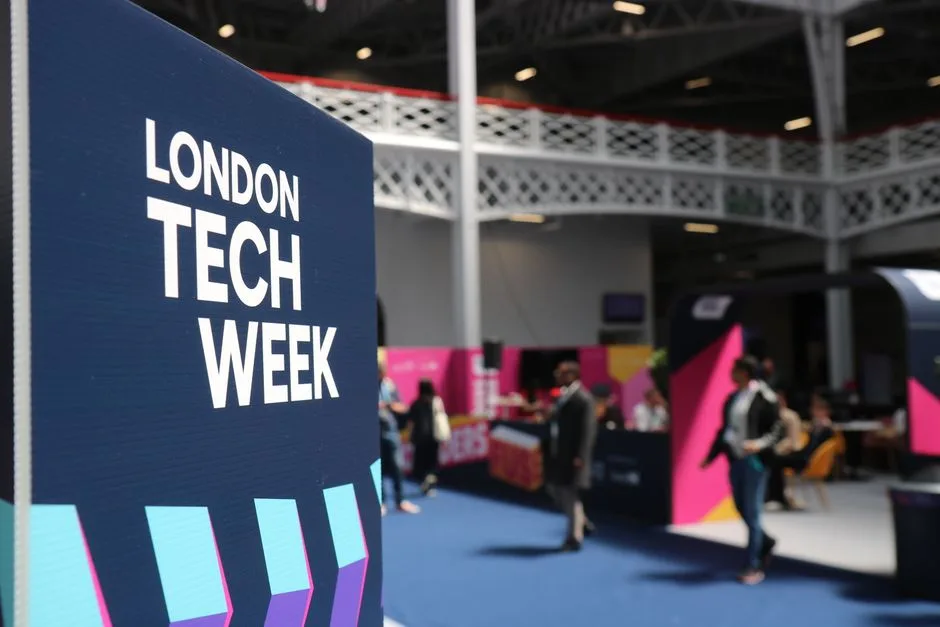
To get the most out of a tech conference, choose events that match your goals, plan your schedule before you arrive, book meetings in advance, focus on a few quality conversations instead of collecting business cards, and follow up within a week. With a little preparation, one conference can be worth months of online networking.
Industry events are back in full force in 2026, with large international shows, regional meetups and online summits competing for your time and budget. Here are seven easy tips to choose the right events and make every day count.
1. Decide what you want from the event
Before you buy a ticket, write down one or two clear goals. Are you looking for new clients, partners, investors, a new job or simply to learn? Your goal decides which events are worth attending. A sales-focused trade show is very different from a developer conference or a research workshop.
2. Research events before you book
Not every conference is worth the ticket price. Before booking, check:
- Speakers: are they practitioners with real experience, or mostly sponsors?
- Attendees: who usually attends, and how many people?
- Past agendas: do previous years’ talks match your interests?
- Reviews: what do past attendees say on social media and forums?
- Total cost: include travel, hotels and time away from work.
Industry directories can also help you find and compare events in your sector. For instance, BitOrgs lists conferences and events in the digital-currency and financial technology space, alongside the organisations behind them, which makes it easier to see which events are well established.
3. Plan your schedule in advance
Most conferences publish their agenda weeks before the event. Mark the sessions you cannot miss, then leave gaps for meetings, breaks and unexpected conversations. Trying to attend every talk usually means you remember very little and meet nobody new.
Many events offer recordings afterwards, so prioritise live workshops, panels with audience questions and sessions where networking happens.
4. Book meetings before you arrive
The best conversations often happen in scheduled meetings rather than in crowded halls. Use the event app or attendee list to find people you want to meet, and send short, specific messages a week or two in advance. Explain who you are, why you would like to meet and suggest a time. A 20-minute coffee meeting is easier to agree to than an open-ended “let’s catch up”.
5. Focus on quality, not quantity
Collecting hundreds of business cards feels productive but rarely leads anywhere. Aim for a handful of meaningful conversations each day. Ask open questions, listen more than you talk and take a quick note after each conversation so you remember the details later.
Simple conversation starters work well:
- “What brought you to this event?”
- “Which talk has been most useful so far?”
- “What are you working on at the moment?”
6. Look after your energy
Conferences are tiring. Long days, noisy halls and late evening events can leave you exhausted by day two. Wear comfortable shoes, carry water and snacks, and take short breaks away from the crowd. Leaving one evening event early so you are fresh the next morning is often the smarter choice.
7. Follow up within a week
The real value of a conference comes after it ends. Within a week, send a short message to everyone you had a useful conversation with. Mention something specific you discussed and suggest a clear next step, such as a call or a resource you promised to share. People quickly forget events, so timing matters.
In-person or online events?
Online summits are cheaper and easier to fit around work, but they rarely create the same depth of connection. Many professionals now mix both: online events for learning and a few carefully chosen in-person events each year for networking and partnerships.
How to make the most of a small budget
Big international events can be expensive, but there are ways to attend for less. Many conferences offer early-bird tickets, student and startup discounts or free passes for volunteers. Speaking at an event usually comes with a free ticket, and some organisers cover travel for speakers. Sharing accommodation with colleagues, staying slightly outside the city centre and booking travel early can cut costs further. Local meetups and regional events are often free or very cheap, and they are a great way to build relationships before investing in a bigger trip.
A simple conference checklist
- Set one or two clear goals.
- Research speakers, attendees and past reviews.
- Mark must-see sessions and leave time for meetings.
- Message key people a week or two in advance.
- Pack comfortable shoes, a charger and business cards or a digital contact card.
- Take quick notes after each conversation.
- Follow up with every useful contact within seven days.
Frequently asked questions
How many conferences should I attend each year?
It depends on your role and budget, but many professionals find two to four well-chosen events more valuable than attending as many as possible.
Are free conference passes worth it?
Free expo passes can be great for networking and seeing new products, but they often exclude talks and workshops. Check what is included before you travel.
How do I convince my employer to pay for a conference?
Explain the specific benefits, such as skills you will learn, contacts you plan to meet and how you will share what you learn with your team afterwards.
What should I bring to a tech conference?
Bring a charged phone, a portable charger, a notebook, comfortable shoes, water and an easy way to share your contact details.
Is it worth speaking at a conference?
Yes, if you have useful experience to share. Speaking builds credibility and makes networking much easier, because people come to you after your talk.
Final thoughts
A conference is only as valuable as the preparation and follow-up you put into it. Choose events carefully, plan your days, focus on real conversations and follow up quickly. Do that, and each event becomes a real boost for your career or business rather than just a few days away from the office.