Choosing a Dental Clinic in Turkey – A Practical Checklist for UK Patients
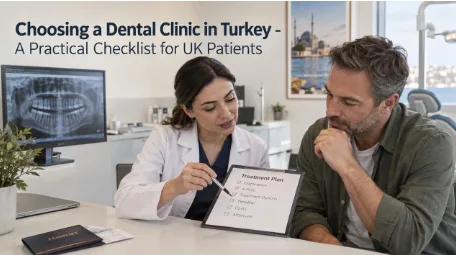
For UK patients considering dental treatment in Turkey, the useful question is not which clinic makes the boldest claim. It is whether the clinic gives you enough verifiable information to understand who will treat you, why a procedure is being proposed, what happens before treatment begins, and how care continues after you return home. When you see a clinic described as the best dental clinic in turkey , treat that as a starting point for your own research rather than a conclusion.
A practical comparison should focus on dentist credentials, clinical assessment, imaging, a written treatment plan, communication, aftercare, and the way costs are explained. UK guidance on treatment abroad also advises patients to research the clinicians and facilities, ask about possible complications, and understand how follow-up care will be coordinated.
Check who will actually treat you
Start with the dentist rather than the clinic’s marketing. The clinic website should identify the clinicians involved and provide enough detail for you to understand their education, professional focus, and relevant experience. If a treatment requires more than one discipline, ask which dentist is responsible for each part of the case.
Ekiz Dental Clinic publishes dentist profiles on its English website. The profiles describe areas that include surgical and cosmetic dentistry, oral and maxillofacial surgery, orthodontics, and endodontics. This gives prospective patients a way to see how different clinical roles may fit into a treatment plan before travelling to Istanbul.
For any clinic, ask for the full name of the dentist who is expected to carry out your procedure. Also ask which professional body regulates the clinic or clinician in Turkey and how you can verify that information independently.
Do not treat an online estimate as a final diagnosis
Photos and existing X-rays can be useful for an initial conversation, but they do not replace an in-person dental examination. The General Dental Council advises UK patients considering treatment abroad that they should be assessed by a qualified dentist before receiving a treatment plan and cost estimate. A proper assessment also gives the dentist an opportunity to review medical history, current oral health, symptoms, and factors that could change the proposed treatment.
Ekiz Dental Clinic describes an initial visit that includes an X-ray, examination, photographs, presentation, and time for questions. Its website also states that the clinic has a panoramic X-ray unit. The important point for a patient is not simply whether imaging is available, but whether the dentist uses the examination and appropriate imaging to confirm the diagnosis before irreversible treatment begins.
Ask for a written treatment plan
A written plan makes it easier to compare clinics because it turns a general proposal into something you can inspect. It should identify the treatment being recommended, the teeth or areas involved, the expected sequence, and any clinically relevant alternatives. Where restorative work is planned, ask what type of restoration or material is proposed and whether any temporary stage is expected.
The plan should distinguish what is known before travel from what may change after examination. The condition of a tooth, gum tissue, bone, an existing restoration, or the bite may affect what is clinically appropriate.
Ekiz Dental Clinic states that its doctors evaluate submitted information and prepare a personal treatment plan. Its published visit process then places examination and X-ray assessment at the consultation stage. For a UK patient, the useful step is to request the final written plan after the clinical assessment and make sure any change from the preliminary proposal is explained before treatment proceeds.
Make sure communication works in English
Clear communication is a clinical issue, not a travel convenience. You need to understand the diagnosis, proposed treatment, alternatives, risks, expected recovery, and what symptoms should prompt further advice. You should also be able to ask questions in your own words and receive answers you understand before giving consent.
Ekiz Dental Clinic states that it has English-speaking doctors and translators for international patients. Before booking, confirm who will communicate with you during the dental consultation itself, not only during scheduling. If a translator will be used, ask whether that support is available during consent discussions and follow-up conversations as well.
Plan aftercare before you leave the UK
Aftercare should be discussed before treatment, especially when the procedure involves surgery, implants, crowns, veneers, root canal treatment, or multiple appointments. Ask who you should contact after returning home, how follow-up questions are handled, which check-ups are expected, and what the clinic recommends if new pain, swelling, a loose restoration, bite problems, or another concern develops.
Ekiz Dental Clinic describes a final check-up before the patient returns home and states that it provides follow-up support after treatment. UK guidance on treatment abroad recommends understanding in advance how aftercare will be coordinated and what happens if complications require further treatment. This matters because a UK dentist may be able to assess an urgent problem, but ongoing or corrective care may not simply reproduce the original overseas treatment plan.
Look beyond the treatment itself
A clinic comparison should include practical systems around the dentistry. Ask whether you will receive copies of relevant X-rays or treatment records, how consent is documented, and what contact route is available after you return to the UK. Make sure the treating dentist reviews relevant medication and medical history before the procedure.
Travel planning should remain separate from the clinical decision. The NHS advises patients not to choose overseas treatment because the destination feels like a holiday and warns against pressure to make a quick decision, missing information about complications, or no clear discussion of aftercare. Treatment should determine the travel schedule rather than sightseeing determining the treatment schedule.
Understand what shapes the final quote
A meaningful quote depends on the actual clinical plan. Factors can include the number of teeth involved, the condition of existing teeth and gums, whether imaging or preparatory care is needed, the type of procedure, the restorative material selected, laboratory work, and the number of clinical stages. More complex cases may also require input from different dental disciplines.
Compare like with like. An online figure is not useful if clinics are describing different materials, numbers of teeth, or clinical sequences. Ask for a personal quote after examination and after the treatment plan is confirmed. It should correspond with the written plan and identify what could change if the examination reveals a different clinical need.
Use a final booking checklist
- Dentist identity: You know who is expected to provide each part of the treatment and can review the clinician’s published background.
- Clinical assessment: The clinic will examine you before definitive treatment and use imaging when clinically appropriate.
- Written plan: You receive a clear plan that explains what is proposed and what may change after examination.
- English communication: You can discuss diagnosis, consent, risks, alternatives, recovery, and questions in English.
- Aftercare: You know who to contact after returning to the UK and how follow-up will be arranged.
- Records: You know what treatment information and imaging can be provided for your own records or a UK dentist.
- Personal quote: The final quote follows the clinical assessment and corresponds with the confirmed treatment plan.
- Location: For Ekiz Dental Clinic, the relevant site for this article is its Vadistanbul location in Maslak, Sariyer, Istanbul.
How Ekiz Dental Clinic fits this checklist
For UK patients comparing a dental clinic in Istanbul, Ekiz Dental Clinic provides several of the details that are useful at the research stage. Its English website publishes dentist profiles, describes examination and X-ray assessment in the visit process, states that a personal treatment plan is prepared, identifies English-speaking support, and describes a final check-up before return travel.
Those points can help a patient prepare better questions, but they do not replace an individual examination. The decision to proceed should come after the treating dentist has assessed your oral health, explained the proposed care, and confirmed a plan that you understand.