Chimney Rot and Structural Rot Checks
Introduction
Dry rot is easy to ignore because it usually starts where nobody looks: behind trim, inside a chimney chase, under a deck, or in the dark corners of a crawl space. By the time paint starts peeling or a floor feels soft, the damage has often been developing for a while. In the damp climate around Bellevue, that slow, hidden progress is exactly what makes rot worth understanding before it becomes urgent.
Dry rot is wood decay caused by fungi that thrive in damp wood, and it weakens the wood it feeds on. Specialists such as Rot Doctor focus on inspecting and repairing this kind of damage, restoring wood where it can safely be restored and replacing it where it cannot.
This article covers two areas homeowners often miss: chimney rot and structural beam and joist rot. It explains what to look for, which signs call for prompt professional attention, and how to think about repair versus replacement without panic or guesswork.
Chimney Rot: Where It Hides
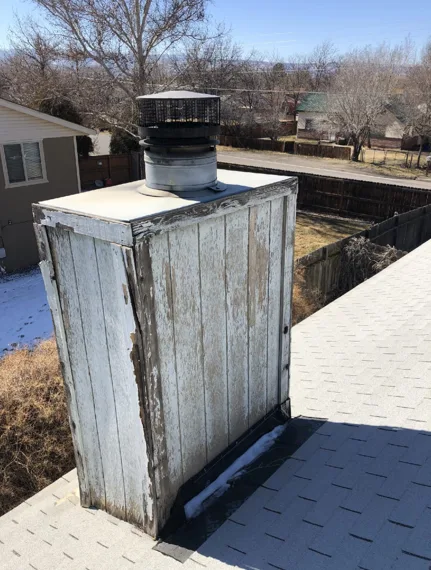
Many chimneys in the region are not solid masonry all the way up. A wood-framed chimney chase, clad in siding or trim, can look perfectly sound from the ground while water is getting in at the top. Failed flashing where the chimney meets the roof, a missing or damaged chase cap, and cracked caulk at joints all let water into the framing, where it stays because the chase has little airflow.
From the ground, look for peeling paint or staining on the chase siding, trim that looks swollen or soft, and any gaps where siding meets flashing. Inside, water stains on ceilings or walls near the chimney, and a musty smell in rooms below the roofline, can point to the same problem. None of these signs proves rot on its own, but together they are a good reason to have the area inspected rather than simply repainted.
Chimney rot matters beyond appearance. The chase framing supports the cladding and the cap, and damaged framing can let water travel further into the roof structure. Repainting a chase whose framing is soft underneath only hides the problem for a season, while the decay continues out of sight.
Structural Rot: Beams and Joists
Beams and joists carry the loads of a house, so rot in these members deserves a different level of attention than rot in a piece of trim. The warning signs are often felt before they are seen: a floor that bounces more than it used to, a noticeable sag or slope, doors that start sticking, or a spongy feeling underfoot in one area of a room.
In crawl spaces and basements, look for wood that is dark, crumbly, or soft when pressed with a screwdriver, and for fungal growth or a persistent musty smell. Pay attention to places where wood meets concrete or soil, where plumbing has leaked, and where ventilation is poor, since those are the spots that stay damp longest. If you are unsure about entering a crawl space or assessing a structural member, do not attempt it yourself; a professional inspection is the safe route.
Take structural warning signs seriously and promptly. This is not a cosmetic issue, and waiting to see whether it gets worse is a gamble with the parts of the house that hold everything else up. An inspection can often show that damage is limited and repairable, but only an in-person assessment of the affected members can establish that.
Repair or Replace? How the Decision Is Made
The guiding idea in rot work is to restore wood when it can safely be restored, and to replace it when it cannot. That decision depends on how much of the member is affected, whether the remaining wood is sound and strong enough, and whether the source of moisture can be fixed. A small area of decay in an otherwise solid member is a very different situation from decay that runs through a load-bearing beam. For a clear assessment of your own home, professional dry rot repair starts with inspection, because the right scope of work cannot be guessed from the outside.
Fixing the moisture source is part of any lasting repair. A replaced beam in a still-leaking chase, or a repaired joist under a still-dripping pipe, will face the same decay again. Flashing, drainage, ventilation, and plumbing leaks should be addressed alongside the woodwork, even when that means coordinating more than one trade.
From an economics standpoint, compare the full picture, not just the repair line. A well-scoped repair that addresses the cause can protect the surrounding structure and avoid larger work later, while a too-small repair that leaves damaged wood in place can lead to repeat visits and bigger costs. On the other hand, replacing sound wood that could have been restored wastes money and disrupts the home unnecessarily. The cheapest option on paper is not always the cheapest outcome over time.
What to Do If You Suspect Rot
Start with a visual check of the areas you can safely reach: chimney chases from the ground, accessible crawl space entries, and the rooms where you have noticed changes. Note what you see, where it is, and when you first noticed it, since that record helps an inspector focus quickly. Avoid poking at or removing structural wood yourself, and avoid covering suspected damage with paint or sealant before it has been assessed.
If you see sagging, feel softness in a floor, or notice damage near a chimney or a load-bearing wall, arrange an inspection promptly rather than waiting for a convenient time. Bring your notes and photos, and ask the inspector to explain what is damaged, what is still sound, and what caused the moisture in the first place. A clear explanation of cause, scope, and options is what you should expect from any reputable assessment.
After repair, keep an eye on the area. Check it again after the next wet season, make sure flashing and drainage remain in good shape, and note any new staining or softness early. Rot repair is not a one-time event if the conditions that caused it return, so a little follow-up attention protects the work that was done.
Conclusion
Chimney rot and structural rot share the same lesson: the damage you cannot see matters most, and the earlier it is found, the more options you have. A stained chase, a bouncy floor, or a musty crawl space is not a reason to panic, but it is a reason to look closer and, where structure is involved, to get a professional assessment promptly.
Restore what can safely be restored, replace what cannot, and always fix the moisture that caused the problem. That approach keeps the repair proportionate, the home safe, and the cost grounded in what the house actually needs.